
Global Leaders Turn Their Attention to the Future of Urban Sustainability
The upcoming review of Sustainable Development Goal (SDG) 11 at the United Nations High Level Political Forum (HLPF) will help shape the future of sustainable urban development. As the world moves closer to the 2030 deadline, governments are looking beyond current progress. They also want to identify practical solutions that can support cities in the years ahead.
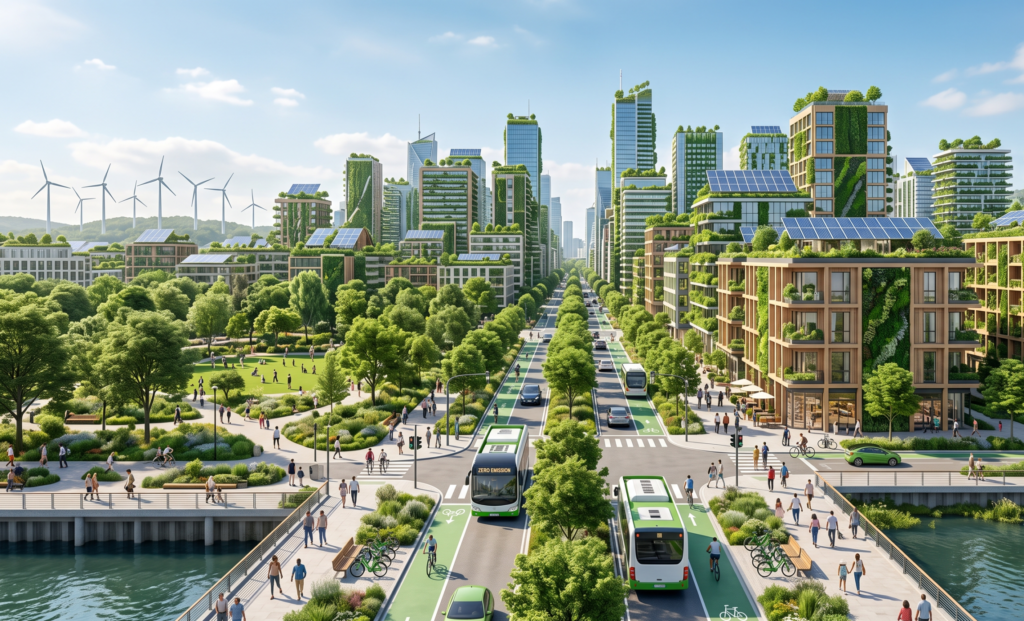
SDG 11 promotes cities and communities that are inclusive, safe, resilient, and environmentally sustainable. Urban populations continue to grow across the world. As a result, governments face increasing pressure to improve housing, public transport, infrastructure, climate resilience, and essential public services.
The Review Is More Than a Progress Check
This year’s HLPF review does more than measure achievements. It gives governments, city leaders, urban planners, and development organizations an opportunity to exchange practical ideas. These ideas can help speed up progress before 2030.
The discussions may also influence future global urban development strategies. Many experts believe the outcomes will help shape international policies after the Sustainable Development Goals reach their target year.
National and Local Governments Must Work Together
One of the main priorities is stronger cooperation between national governments and local authorities. Cities lead many sustainability projects. However, they often struggle with limited funding, technical expertise, and institutional capacity.
National governments can provide financial support, policy guidance, and technical resources. This partnership helps local authorities implement sustainable solutions more effectively.
Sustainable Cities Need Integrated Planning
Urban sustainability depends on much more than infrastructure. Governments also need to connect climate action, clean energy, healthcare, education, economic development, and social inclusion.
When these sectors work together, cities become more resilient. They also create healthier environments and better opportunities for residents.
Local Reviews Support Better Decision Making
Many cities now prepare voluntary local reviews to measure their progress on the Sustainable Development Goals. These reports help local governments identify successful initiatives and areas that need improvement.
Local reviews also encourage cities to share knowledge with one another. As a result, policymakers can learn from successful projects and adapt proven solutions to local needs.
Communities Play a Key Role
Public participation remains essential for successful urban development. Governments benefit when residents, businesses, universities, researchers, civil society organizations, and private companies contribute their ideas.
Inclusive decision making builds public trust. It also creates policies that better reflect local priorities and community needs.
Climate Resilience Continues to Drive Urban Policy
Climate resilience remains one of the biggest priorities for sustainable cities. Many urban areas face rising temperatures, flooding, air pollution, and other climate related risks.
Governments can reduce these risks by investing in resilient infrastructure. They can also expand green spaces, restore natural ecosystems, and strengthen disaster preparedness. These actions protect communities while supporting long term economic growth.
Looking Beyond 2030
Countries now have only a few years to achieve the Sustainable Development Goals. The HLPF review allows leaders to evaluate current progress, identify remaining challenges, and develop practical solutions for the future.
The review will also influence conversations about international urban development after 2030. Stronger partnerships, better financing, integrated planning, and local leadership will remain important priorities.
Conclusion
The HLPF review of SDG 11 marks an important moment for sustainable urban development. Governments, city leaders, and development organizations have an opportunity to strengthen cooperation and accelerate progress.
The decisions made today can help create greener, safer, and more resilient cities. They can also improve the quality of life for future generations while supporting long term sustainable development.
Leave a Reply