
Tag: biodiversity

  • How AI Is Bringing Nature into Corporate Decision Making

    Modern corporate boardroom with executives around a conference table looking at a transparent holographic screen that shows real-time environmental data, including satellite maps of land use, soil health layers, biodiversity hotspots, and bird-flight paths, highlighting the role of AI sustainability in blending nature and technology within a professional, eco-conscious setting.
    generated by google gemini

    Introduction

    Sustainability is no longer limited to tracking carbon emissions. Today, businesses are expected to understand how their operations influence land, water resources, and biodiversity. This shift is pushing companies to rethink how they measure environmental impact.

    Artificial intelligence is playing a key role in this transformation. It is helping organizations convert complex environmental data into clear and actionable insights. As a result, sustainability is moving beyond annual reports and becoming part of everyday strategic discussions in boardrooms.


    Why Nature Is Becoming a Business Priority

    Across the globe, governments and regulatory bodies are strengthening rules around biodiversity and environmental reporting. Companies are now required to go beyond carbon accounting and consider their broader ecological footprint.

    For example, the International Sustainability Standards Board is working to include nature-related disclosures in global reporting standards. At the same time, policies like biodiversity net gain in England require businesses to actively improve ecosystems through their projects.

    Despite these developments, many organizations still struggle to measure their impact on nature. This gap leaves decision makers without a complete understanding of environmental risks.


    Making Sense of Complex Environmental Data

    Today, companies have access to an enormous amount of environmental data. This includes satellite imagery, soil health metrics, bioacoustic recordings, and even DNA samples collected from ecosystems.

    Experts like Drew Purves have highlighted how modern technology allows us to process far more data than ever before.

    Artificial intelligence helps by analyzing this data and identifying patterns. Instead of dealing with raw information, businesses can now understand trends related to land use, habitat conditions, and species presence. This makes it easier for leaders to make informed decisions.


    Moving from Reporting to Prediction

    Traditional sustainability reports often focus on past performance. However, AI is changing this approach by enabling companies to look ahead.

    With AI-powered tools, organizations can simulate future scenarios. They can evaluate how changes in climate, farming practices, or conservation efforts might affect soil quality, water availability, and biodiversity.

    This predictive capability allows businesses to plan for long-term environmental resilience rather than just meeting short-term compliance requirements.


    Tools That Reveal a Company’s Nature Footprint

    New digital platforms are making it easier for companies to understand their environmental impact. These tools combine multiple data sources into simple dashboards that provide a clear overview of risks and opportunities.

    One example is NatureMetrics, which offers AI-driven assessments using environmental DNA, camera monitoring, and acoustic data. These insights help organizations identify biodiversity risks across their operations and supply chains.

    By highlighting trends and detecting potential threats, such tools support better investment decisions in conservation and restoration.


    Understanding Soil and Land Health

    For industries like agriculture, soil health is a critical factor. Advanced data platforms are now helping businesses analyze how land use practices affect soil quality over time.

    Initiatives such as the EU Soil Health Data Cube allow users to combine soil, climate, and vegetation data. This helps companies understand whether their practices are improving or degrading land resources.

    Such insights are essential for businesses that need to support their sustainability claims with credible data.


    Protecting Wildlife with Smart Technology

    AI is also improving how infrastructure projects interact with wildlife. For instance, Boulder Imaging developed the IdentiFlight system, which is used near wind farms.

    This system uses sensors and AI to detect birds, track their movement, and temporarily stop turbines when there is a risk of collision. It has significantly reduced bird fatalities while maintaining energy efficiency.

    This example shows how technology can balance environmental protection with operational performance.


    Bringing Biodiversity Metrics into Strategy

    Scientific tools are now being adapted to support corporate decision making. The Natural History Museum has developed the Biodiversity Intactness Index, which compares current species levels to historical baselines.

    When companies integrate such metrics into their internal systems, they gain a clearer understanding of biodiversity loss. This makes it easier to incorporate environmental considerations into investment and operational strategies.


    Addressing the Environmental Cost of AI

    While AI offers many benefits, it also has its own environmental impact. Large models and data centers consume significant energy and resources.

    Organizations like Google DeepMind are working to improve efficiency and reduce this footprint. They are also developing tools to help businesses measure the environmental cost of their AI systems.

    This ensures that technology supports sustainability goals rather than creating new challenges.


    What This Means for the Future of Business

    Artificial intelligence is quickly becoming an essential part of environmental strategy. It is helping companies move from fragmented reporting to continuous monitoring of natural resources.

    By combining data from satellites, sensors, and field observations, businesses can make more informed decisions about land, water, and biodiversity.

    For sustainability professionals and agri-tech leaders, this shift represents a major opportunity. AI is bringing nature into the center of business strategy, where it is treated as a valuable asset rather than an external concern.
  • Top Corporate Sustainability Trends to Watch in 2026

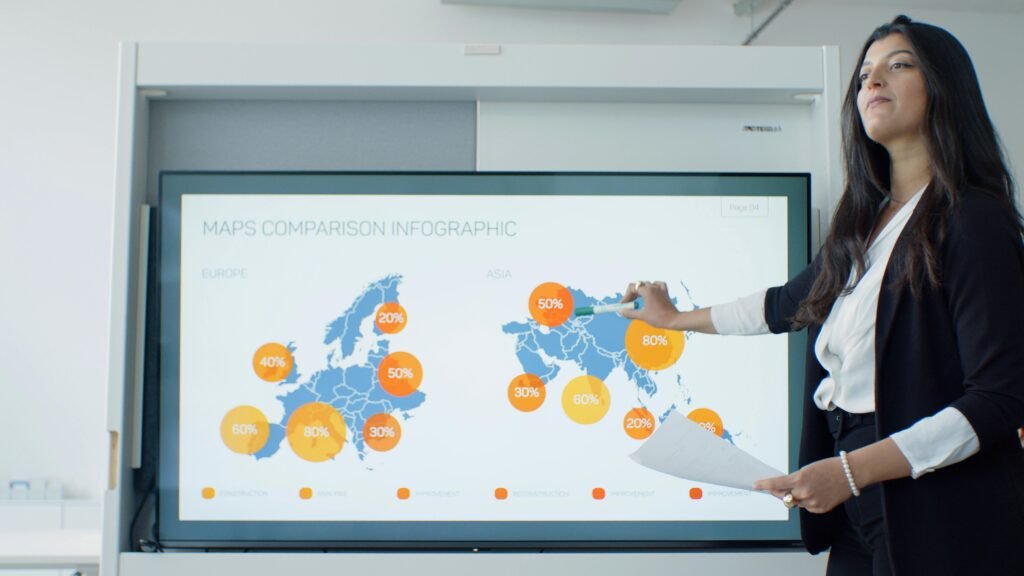
    Professional woman presenting corporate sustainability trends in modern office meeting.
    Royalty free image via pexels.

    Corporate sustainability is no longer about making ambitious promises. In 2026, it is about delivering measurable outcomes. Investors, regulators, and customers are increasingly expecting companies to demonstrate real progress, especially in areas such as emissions reduction, climate risk management, and transparent reporting.

    Organizations that focus on practical implementation rather than just strategy are emerging as leaders in this evolving landscape.


    Changing Global Sustainability Reporting Standards

    Sustainability reporting is undergoing significant transformation across the globe. In Europe, frameworks like the Corporate Sustainability Reporting Directive are being refined to make compliance more practical for businesses. However, expectations for reliable and high-quality ESG data continue to grow.

    At the same time, Asian markets are taking a strong lead. Countries such as China and Singapore are introducing mandatory ESG disclosure requirements starting in 2026. These regulations will not only impact domestic companies but also global supply chains connected to these markets.

    In addition, carbon border taxes from regions like the European Union and the United Kingdom are increasing pressure on exporters. Businesses must now improve their data accuracy and transparency, regardless of local regulatory requirements.


    Renewable Energy Becomes a Cost Advantage

    Renewable energy is no longer just an environmental choice. It has become a strong financial decision. Sources like solar and wind energy are now leading new power installations due to their declining costs.

    Corporate renewable energy agreements have reached record levels in recent years, showing a clear shift toward clean energy adoption. Companies are also exploring demand flexibility strategies, which allow them to reduce energy usage during peak times and even generate revenue through grid participation programs.

    Improving energy efficiency in buildings and industrial processes remains one of the fastest ways to reduce both costs and emissions.


    Rising Importance of Nature and Biodiversity Risks

    Businesses are starting to recognize that environmental risks go beyond carbon emissions. Biodiversity loss and land use changes are becoming central to corporate strategy.

    Frameworks such as the Taskforce on Nature-related Financial Disclosures are helping organizations identify and manage financial risks linked to nature degradation. Industries that rely heavily on land and natural resources must adopt targeted approaches, including insetting and ecosystem restoration investments.

    Investors are increasingly viewing nature-related risks as direct threats to long-term value, which is encouraging companies to act early.


    Climate Risks Directly Impact Financial Performance

    Climate change is no longer a distant concern. Physical risks such as floods, extreme heat, and storms are already disrupting operations and increasing costs for many businesses.

    At the same time, policy changes and the transition to a low-carbon economy are creating new financial uncertainties. Companies that integrate climate scenario planning into their financial strategies and investment decisions are better positioned to manage these challenges.


    Growing Focus on Climate Adaptation

    Adaptation is becoming just as important as mitigation. Industries like agriculture, manufacturing, and energy are investing in resilience measures to protect their operations and profitability.

    Examples include improved water management systems, climate-resilient infrastructure, and early warning technologies. These initiatives often provide immediate benefits by reducing operational risks and improving efficiency.


    Smarter and More Reliable Carbon Markets

    Carbon markets are evolving rapidly, with a stronger focus on quality and transparency. Businesses are securing long-term agreements for high-quality carbon credits and using advanced technologies for verification and tracking.

    As standards for net-zero commitments become stricter, companies are planning to increase their use of carbon markets by 2030. This approach helps manage risks and strengthen supply chain resilience.


    Artificial Intelligence Enhances Sustainability Efforts

    Artificial intelligence is playing a growing role in sustainability management. AI tools can automate data collection, validation, and analysis, allowing sustainability teams to focus more on strategic decision-making.

    However, companies are also mindful of the energy consumption associated with AI systems. Leading organizations are balancing technology adoption with responsible usage and human oversight to maintain credibility.


    Stronger Supply Chain Collaboration

    Addressing Scope 3 emissions requires close collaboration with suppliers. Companies are moving beyond basic compliance and building long-term partnerships that include shared tools, data systems, and financial support for sustainability initiatives.

    Successful organizations understand that meaningful change comes from continuous collaboration rather than isolated efforts.


    Action-Oriented Leadership Will Define Success

    In 2026, the companies that stand out will be those that can adapt quickly to changing regulations, manage complex risks, and align stakeholder expectations effectively.

    Sustainability leadership is no longer defined by ambition alone. It is defined by action, execution, and the ability to deliver real impact.