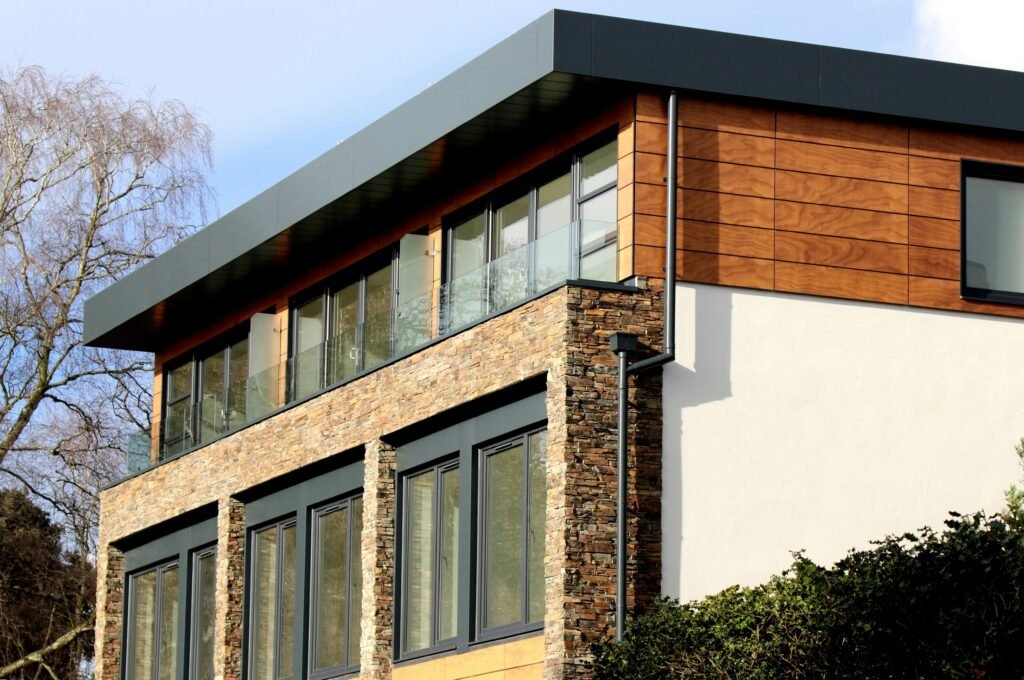
Sustainable architecture is no longer a niche concept. It has become a practical and necessary approach to modern construction. As climate concerns grow and cities expand rapidly, architects and developers are rethinking how buildings are designed, constructed, and operated.
Today’s sustainable architecture focuses on reducing environmental impact, improving energy efficiency, and creating healthier spaces for people. With new materials, renewable energy systems, and intelligent technologies, the construction industry is moving toward a more responsible future.
Why Sustainable Architecture Matters
Buildings account for a significant share of global energy consumption and carbon emissions. Traditional construction methods rely heavily on resource-intensive materials and fossil fuels. As a result, the environmental footprint of buildings has become a major concern.
Sustainable architecture addresses these challenges by prioritizing efficiency, durability, and environmental balance. It also enhances occupant comfort by improving indoor air quality, natural lighting, and thermal performance.
Eco-Friendly Building Materials
The foundation of sustainable architecture begins with the right materials.
Recycled steel is widely used because it reduces the demand for newly mined resources. Bamboo is another popular option due to its rapid growth and strength. Insulated concrete forms improve thermal performance while lowering long-term energy consumption.
One of the most promising innovations is cross-laminated timber. This engineered wood product offers impressive structural strength while generating fewer emissions compared to traditional concrete. As a result, it is gaining popularity in large-scale residential and commercial projects.
By choosing environmentally responsible materials, builders can significantly reduce the carbon footprint of a project from the start.
Renewable Energy Integration
Energy efficiency is at the heart of green building design. Modern sustainable buildings often generate their own clean energy.
Solar panels are now a common feature in residential and commercial developments. In addition, photovoltaic glass allows windows to produce electricity while still letting in natural light. These technologies reduce reliance on fossil fuels and lower long-term energy costs.
Geothermal systems are another effective solution. By tapping into the earth’s stable underground temperature, these systems provide efficient heating and cooling throughout the year. This approach reduces energy consumption while maintaining indoor comfort.
Together, these renewable energy systems help buildings operate more independently and sustainably.
Smart Technologies for Efficient Performance
Technology plays a critical role in sustainable architecture.
Internet of Things sensors monitor lighting, temperature, and occupancy in real time. This data allows automated systems to adjust heating, cooling, and lighting only when needed. As a result, energy waste is minimized.
Dynamic facades and electrochromic glass further enhance efficiency. These systems adapt to changing sunlight conditions, reducing heat gain and improving insulation. In turn, buildings require less artificial cooling and lighting.
Smart technologies not only improve performance but also create a more comfortable environment for occupants.
Biophilic Design and Urban Well-Being
Sustainable architecture also focuses on reconnecting people with nature.
Green roofs and living walls are increasingly common in urban developments. They provide natural insulation, improve air quality, and support biodiversity. At the same time, they help reduce the urban heat island effect.
Biophilic design elements such as natural light, indoor plants, and organic materials create calming spaces that promote well-being. Research shows that nature-inspired environments can improve productivity and reduce stress.
By integrating natural elements, sustainable buildings become healthier places to live and work.
Reuse and Adaptive Renovation
Sustainability does not always mean building something new. In many cases, repurposing existing structures is the most responsible option.
Adaptive renovation upgrades older buildings with modern energy-efficient systems. This approach preserves cultural heritage while avoiding demolition waste. It also reduces the need for new raw materials.
Reusing existing infrastructure is often more environmentally friendly than starting from scratch. It demonstrates how sustainable architecture can balance innovation with preservation.
The Future of Sustainable Architecture
The future of sustainable architecture looks promising. As technology advances and costs continue to decline, green construction methods are becoming more accessible.
Governments and developers are increasingly adopting environmentally responsible building standards. In the coming years, sustainable design principles are expected to become standard practice rather than optional features.
Ultimately, sustainable architecture offers scalable solutions to global challenges such as climate change and resource depletion. By combining smart technology, renewable energy, and eco-friendly materials, the construction industry is building a future that supports both people and the planet.