Introduction
Electric mobility continues to evolve through strong technological innovation and infrastructure development. As the global transportation sector moves toward sustainability, several technical advancements are improving efficiency, reducing emissions, and supporting large scale adoption of electric vehicles. The following points highlight the major technical developments shaping electric mobility in 2026.
Key Technical Innovations in Electric Mobility
Advanced Battery Technologies
- Development of solid state batteries with higher energy density and improved safety.
- Introduction of sodium ion batteries as an alternative to lithium based batteries.
- Improvements in battery thermal management systems for better safety and performance.
- Enhanced battery recycling technologies to reduce environmental impact.
- Sustainable sourcing of battery raw materials to support responsible production.
Electric Vehicle Performance Improvements
- Increased vehicle range through higher capacity battery packs.
- Faster charging capability due to improved battery chemistry and power electronics.
- Advanced battery management systems to optimize charging cycles and extend battery life.
- Integration of lightweight materials to improve energy efficiency.
Smart Charging Infrastructure
- Rapid expansion of public and private EV charging networks.
- Deployment of fast charging and ultra fast charging stations for reduced charging time.
- Use of data analytics and location intelligence for optimized charging station placement.
- Smart grid integration to balance electricity demand and supply.
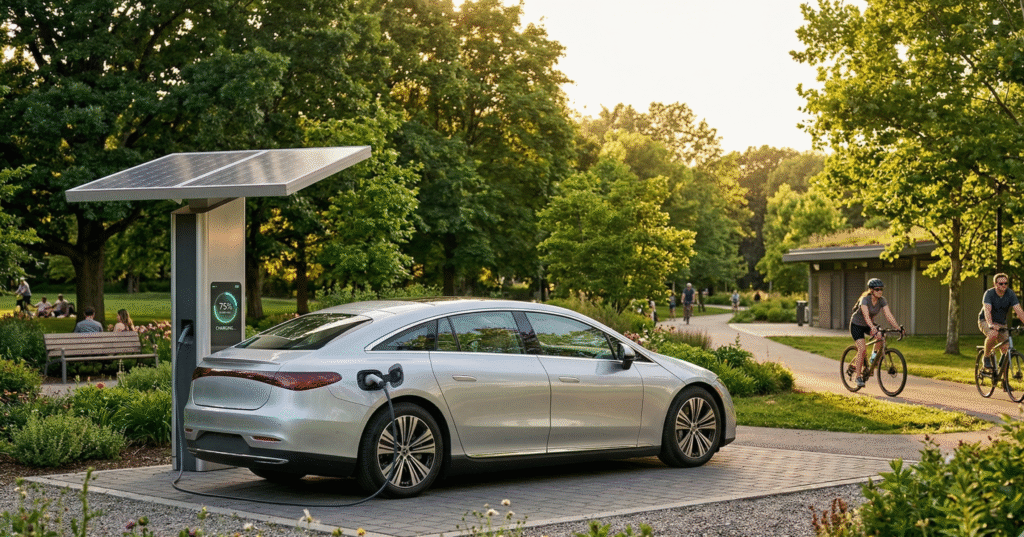
- Renewable energy integration in charging infrastructure.
Intelligent Energy and Charging Systems
- Smart charging platforms that manage charging schedules and grid load.
- Vehicle to grid technology enabling EVs to supply power back to the grid.
- Development of dynamic charging technologies that allow vehicles to charge while moving.
- AI based energy management systems for efficient charging operations.
Startup Driven Technological Innovation
- Development of advanced battery management systems by emerging technology startups.
- Innovation in smart charging platforms and energy optimization tools.
- Research in electric vertical takeoff and landing aircraft for urban mobility solutions.
- Collaboration between startups, automakers, and research institutions to accelerate EV technology deployment.
Charging Infrastructure and Market Growth
- Significant investment from governments and private sectors to expand charging networks.
- Increasing number of public charging stations in high adoption regions.
- Rapid growth of the EV charging market with projections reaching approximately USD 113 billion by 2032.
- Expansion of EV manufacturing ecosystems across major markets including China and Europe.
Conclusion
Electric mobility innovation in 2026 is largely driven by advancements in battery technology, intelligent charging infrastructure, and emerging startup solutions. These technical developments are improving vehicle performance, expanding charging accessibility, and supporting the global transition toward sustainable transportation systems.