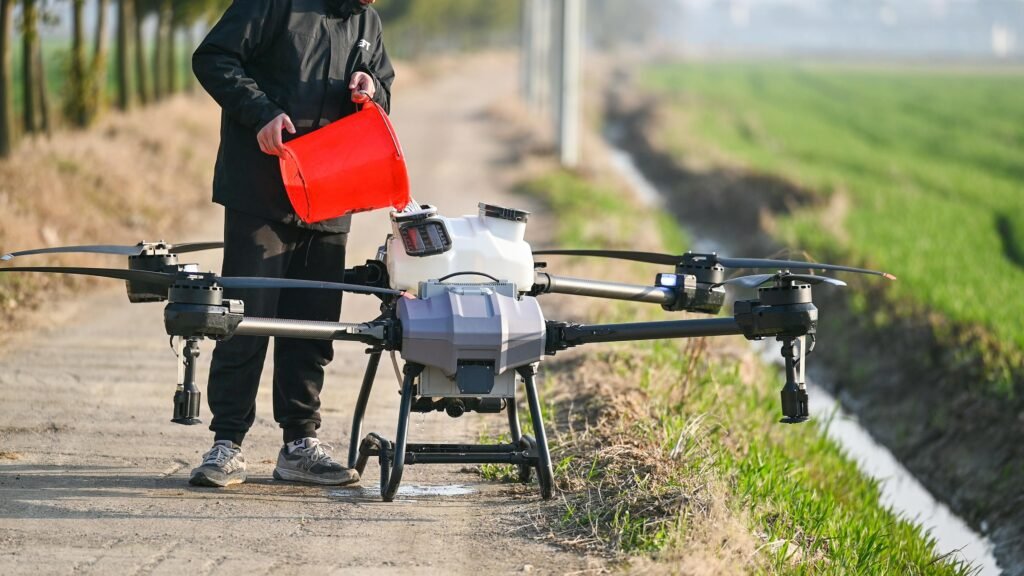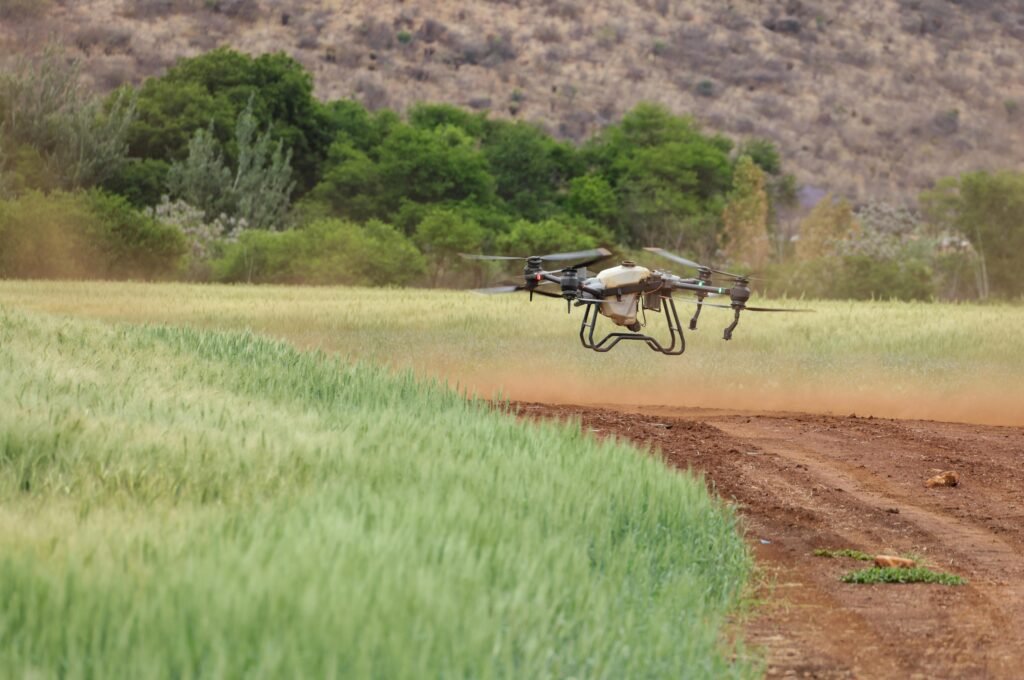
Artificial Intelligence is no longer a futuristic concept. As we move deeper into 2025, AI adoption is accelerating across industries worldwide. Businesses are integrating intelligent systems into their daily operations to improve efficiency, reduce costs, and support long-term sustainability goals.
One of the most promising developments is the growing connection between AI technology and net zero emission targets. From precision farming to renewable energy optimization, AI is becoming a powerful tool for environmental progress.
In particular, the agriculture and environmental sectors are seeing major transformation through smart automation and data-driven decision-making.
Why AI Adoption Is Growing Rapidly in 2025
The surge in AI adoption is largely driven by advancements in generative AI and machine learning tools. These technologies help organizations scale operations quickly while maintaining accuracy.
In agriculture, AI tools are now used for:
- Crop yield prediction
- Soil health monitoring
- Carbon tracking
- Climate modeling
- Farm resource optimization
Farmers and agribusinesses can generate detailed analytics reports within minutes. What once required extensive manual effort can now be done with intelligent automation.
Countries such as Singapore and the United Arab Emirates are leading in AI implementation. Their strong digital infrastructure, supportive government policies, and investment in localized AI models have accelerated adoption.
This global momentum signals that AI is not just a trend but a structural shift in how industries operate.
Key Challenges Slowing Widespread AI Implementation
Despite rapid growth, AI adoption still faces practical challenges.
1. Data Quality Issues
AI systems depend heavily on accurate and structured data. In agriculture, poor sensor inputs or incomplete weather data can produce unreliable predictions. When the data foundation is weak, the results cannot be trusted.
2. Integration with Legacy Systems
Many farms still rely on traditional machinery and older software systems. Integrating modern AI tools with legacy infrastructure often slows implementation. This creates technical and financial barriers for small and medium-scale farmers.
3. Ethical and Governance Concerns
Bias in algorithms, intellectual property disputes, and data privacy risks require clear regulatory frameworks. Without transparent governance, AI deployment can create more problems than it solves.
Developing regions also face a digital divide. While adoption is increasing in parts of Africa and other emerging markets, limited internet access and technical training restrict full participation in the AI ecosystem.
How AI Supports Net Zero and Sustainability Goals
The relationship between AI and sustainability is becoming stronger each year. Intelligent systems help organizations measure, manage, and reduce environmental impact more efficiently.
AI supports net zero strategies by:
- Optimizing solar-powered irrigation systems
- Managing wind-integrated supply chains
- Reducing fertilizer waste through precision farming
- Tracking carbon emissions in real time
In countries like India, the AI ecosystem is expanding rapidly. Local startups and technology providers are building practical AI tools designed specifically for agricultural needs. Partnerships between government bodies, agritech firms, and sustainability organizations are accelerating innovation.
However, responsible adoption remains essential. AI governance frameworks must ensure equitable access, fair data usage, and compliance with emerging global regulations.
Strategic Steps for AI Adoption in 2026
Organizations planning to adopt AI in agriculture and sustainability should follow a structured approach.
Start with Pilot Projects
Begin with high-impact areas such as precision farming or drought forecasting. Small pilot programs allow businesses to test effectiveness before scaling.
Customize AI Models
Off-the-shelf AI tools are useful, but combining them with custom adjustments ensures better performance for specific regional needs.
Invest in Ethical AI Training
Training teams on responsible AI use builds trust and reduces regulatory risks. Ethical awareness is particularly important when handling environmental data and sustainability reporting.
The Road Ahead
AI adoption in 2025 marks a significant turning point for agriculture and environmental management. While challenges remain, the opportunities outweigh the risks when implementation is thoughtful and well-governed.
As industries continue to align technology with sustainability goals, AI will play a central role in building efficient, resilient, and climate-conscious systems worldwide.
The future of smart agriculture is not just digital. It is intelligent, data-driven, and sustainability-focused.