
Tag: precision farming

  • GreenSync Uses AI to Transform Farm Data into Smarter Agricultural Decisions

    Close-up of a hand holding a smartphone displaying colorful charts and graphs for farm data analysis.
    Royalty free image via pexels

    GreenSync is a Delaware-based agritech startup founded in 2023 with a clear mission to help farmers make better decisions using artificial intelligence. The company focuses on turning complex and scattered farm data into practical insights that improve productivity and support sustainable farming practices across the globe.

    By combining advanced analytics with real-world farm inputs, GreenSync enables growers to increase yields while reducing unnecessary costs and environmental impact.

    A Single Platform for Complete Farm Data

    One of GreenSync’s key strengths is its unified data platform. The system gathers information from multiple sources, including field sensors, farm machinery, weather stations, soil analysis reports, and historical farm records. All this data is organized into a single, easy-to-use dashboard.

    This centralized approach removes the need for manual data handling and allows farmers to quickly identify trends and performance differences between fields. As a result, daily farm operations become faster, more accurate, and easier to manage.

    AI-Driven Recommendations Tailored to Every Field

    GreenSync’s platform uses machine learning models that continuously analyze field performance. Based on this analysis, the system provides customized recommendations for seeding, fertilizer use, crop protection, and harvest timing.

    The technology allows farmers to apply successful strategies from high-performing fields to areas that need improvement. These recommendations take into account crop type, soil conditions, available equipment, and local weather patterns, ensuring that each decision is practical and field-specific.

    Measurable Improvements in Yield and Cost Efficiency

    Farmers using GreenSync have reported noticeable gains within a single growing season. Many users see yield increases of up to 15 percent compared to previous years. At the same time, input costs have dropped by more than 100 dollars per acre due to more precise use of fertilizers and crop protection products.

    In addition to productivity benefits, the platform tracks carbon emissions and sustainability metrics. This feature helps farms meet environmental standards and supports compliance with evolving agricultural regulations.

    Value for Agribusiness and Sustainable Farming

    Beyond individual farmers, GreenSync also delivers value to farm managers, agribusinesses, and input suppliers. Optimized resource planning, reduced waste, and data-driven insights contribute to higher profitability at scale.

    By encouraging efficient input use and supporting regenerative agriculture practices, GreenSync plays a role in advancing long-term sustainability while maintaining strong economic performance.
  • Global Agriculture in 2025: Major Innovations and Ongoing Challenges

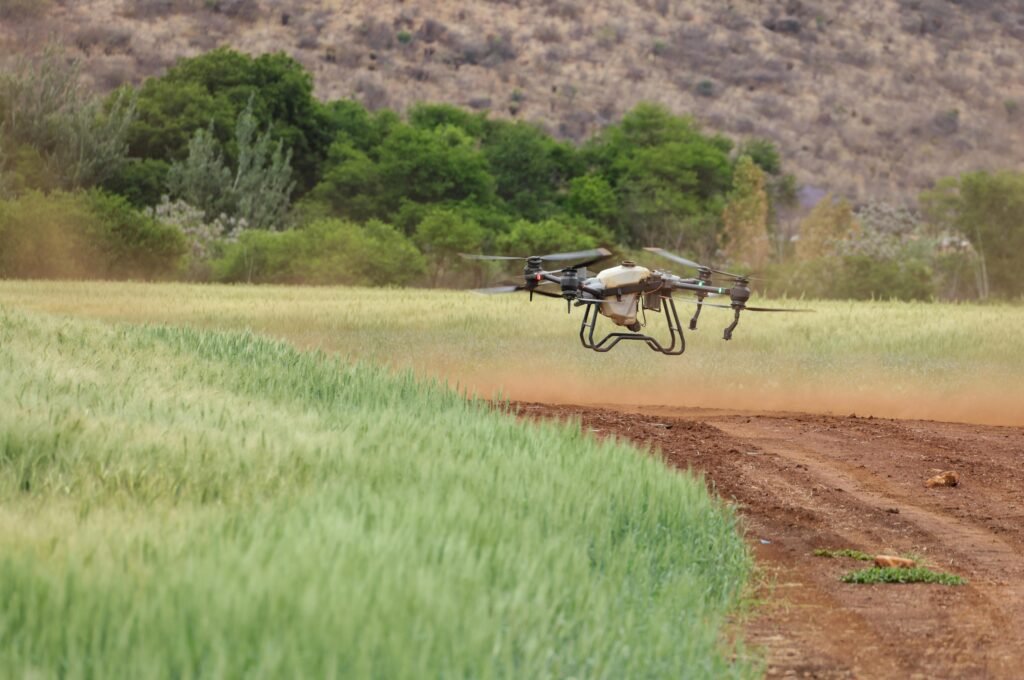
    Aerial drone surveying vast green agricultural fields in a rural landscape under a clear blue sky.
    Royalty free image, Pexels

    Agriculture in 2025 experienced significant transformation as technology became central to how food is produced worldwide. Farmers across regions increasingly relied on advanced tools to improve productivity, manage costs, and address food security concerns. At the same time, climate pressures and economic uncertainty continued to test global agricultural systems.

    This article explores the most important agricultural innovations of 2025, along with the key challenges shaping the future of farming.

    Technological Innovations Shaping Agriculture

    AI and Precision Farming

    Artificial intelligence and precision farming played a leading role in modern agriculture during 2025. Farmers used data collected from sensors, drones, and satellite imagery to make more accurate decisions about irrigation, fertilization, and pest control. These technologies reduced unnecessary resource use while improving crop yields.

    Precision farming also supported sustainable approaches such as regenerative agriculture by improving soil health and reducing environmental impact.

    Robotics and Automation in Farming

    Robotics continued to advance, with AI-powered machines handling complex agricultural tasks. Automated harvesters, pruning robots, and planting systems improved accuracy and reduced dependency on manual labor. These technologies helped farmers manage labor shortages while maintaining consistent output quality.

    Growth of Vertical and Controlled Environment Farming

    Vertical farming and controlled environment agriculture expanded rapidly, particularly in urban areas. These systems enabled year-round food production using less land and water. By growing crops closer to consumers, farmers reduced transportation costs and improved supply chain efficiency.

    Biotechnology and Emerging Agrotech

    Biotechnology and agrotech innovations focused on long-term sustainability. Solutions such as carbon utilization, remote sensing, and soil restoration techniques helped farms adapt to climate change. Agentic AI also emerged as a breakthrough, allowing farms to make autonomous, real-time decisions based on environmental and operational data.

    Key Challenges Facing Global Agriculture

    Climate and Environmental Pressures

    Climate change remained one of the biggest threats to agriculture in 2025. Extreme weather events, rising input costs, and soil degradation reduced productivity in many regions. Agricultural expansion also contributed to deforestation, accelerating biodiversity loss and greenhouse gas emissions.

    Economic and Geopolitical Uncertainty

    Geopolitical tensions and economic instability affected global food systems. Many farmers faced fluctuating markets, rising operational costs, and limited access to financing. Rural poverty increased in several regions, making it harder for small farmers to invest in new technologies.

    Labor Shortages and Market Volatility

    Labor shortages persisted, pushing farms to rely more heavily on automation. However, concerns around return on investment slowed adoption for some producers. Unpredictable market prices further complicated long-term planning for farmers.

    The Path Forward for Sustainable Agriculture

    The future of agriculture depends on combining technological innovation with supportive policies. Integrating AI-driven solutions with government incentives can help create resilient and inclusive food systems. Innovations such as agrivoltaics, which combine solar energy generation with farming, offer farmers additional income while improving land use efficiency.

    Global efforts now focus on science, technology, and innovation to meet rising food demand without compromising environmental sustainability.