Tag: sustainable architecture

  • Bio-Inspired Cooling for Skyscrapers: How Nature Is Shaping Energy Efficient Buildings

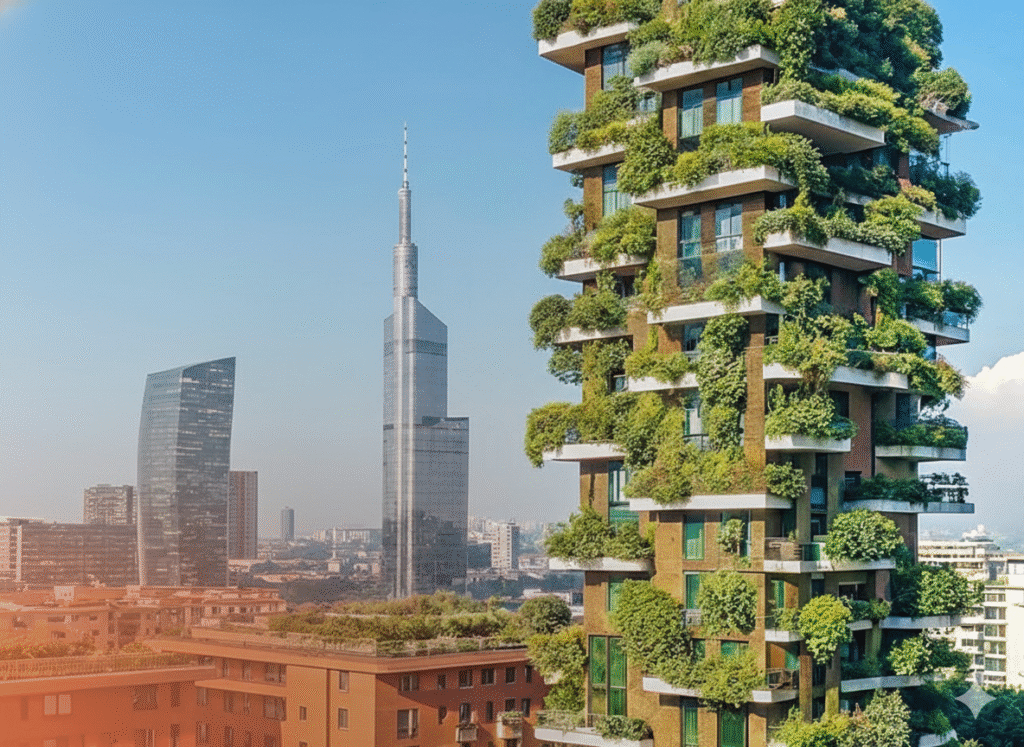
    Two towering residential skyscrapers in Milan, known as Bosco Verticale, covered entirely in lush green trees and vegetation, with modern glass buildings in the background under a clear blue sky.
    generated by google gemini

    As cities expand and skylines rise higher, cooling large buildings has become one of the biggest energy challenges in urban areas. Traditional air conditioning systems consume enormous amounts of electricity, especially in hot climates. To reduce this dependency, engineers and architects are turning to an unlikely mentor: nature.

    Bio-inspired cooling is an emerging approach that studies how natural systems regulate temperature and applies those lessons to modern buildings. From termite mounds to plant evaporation, nature offers efficient, low-energy solutions that are now being adapted for skyscrapers and high-rise developments.

    What Is Bio-Inspired Cooling?

    Bio-inspired cooling uses natural design principles to manage heat inside buildings. Instead of relying entirely on mechanical air conditioning, these systems focus on passive strategies such as natural airflow, shading, and water evaporation.

    The goal is simple. Reduce energy consumption, lower emissions, and support long-term net-zero targets. By observing how termites maintain stable temperatures in their mounds or how plants cool themselves through moisture release, architects are creating smarter and more sustainable structures.

    Key Bio-Inspired Cooling Techniques for High-Rise Buildings

    Several nature-based strategies are proving effective in large commercial and residential towers.

    1. Termite Mound Ventilation

    Termite mounds maintain nearly constant internal temperatures despite extreme outdoor heat. They achieve this through a natural stack ventilation system, with low and high vents that allow hot air to rise and escape while drawing cooler air inside.

    This principle has been successfully applied in modern architecture. The Eastgate Centre in Harare uses passive ventilation inspired by termite mounds. The building significantly reduces energy use and saves millions annually in cooling costs. Such systems work especially well in dry climates.

    2. Evaporative Cooling Inspired by Plants

    Plants cool themselves through transpiration, a process where moisture evaporates from their leaves and absorbs heat. Buildings can replicate this effect by using water-based cooling surfaces or green walls.

    Evaporative cooling systems can reduce cooling energy demand by up to 50 to 70 percent in suitable climates. When combined with vertical gardens or green facades, they also improve air quality and enhance urban biodiversity.

    3. Coral-Inspired Heat Dissipation and Tree Canopy Shading

    Coral reefs are structured to release heat efficiently while maintaining strength. Architects are studying these structures to design building facades that improve heat dissipation.

    Similarly, tree canopies provide shade while allowing filtered light to pass through. Shading systems inspired by tree structures help reduce solar heat gain, lower indoor temperatures, and decrease the urban heat island effect.

    Benefits of Bio-Inspired Cooling in Urban Areas

    Cooling systems account for a major share of electricity consumption in hot cities. By integrating nature-inspired designs, buildings can significantly cut energy demand.

    Key advantages include:

    • Lower electricity bills for cooling
    • Reduced carbon emissions
    • Improved indoor comfort
    • Mitigation of urban heat islands
    • Enhanced biodiversity through green integration

    Recent research suggests that energy-efficient building strategies could contribute to meaningful global reductions in building energy use by 2030. As more cities push toward climate resilience and sustainable growth, bio-inspired cooling offers a practical pathway forward.

    Challenges in Adoption

    Despite its benefits, bio-inspired cooling faces certain barriers. Initial design costs may be higher, and specialized expertise is often required during planning and construction.

    However, early integration during the architectural design phase can significantly reduce additional costs. Government grants, sustainability incentives, and collaboration with organizations such as the Biomimicry Institute are helping accelerate adoption.

    How to Implement Bio-Inspired Cooling in New Projects

    For developers and planners considering this approach, the process typically involves:

    1. Conducting a detailed climate and site analysis
    2. Evaluating feasibility based on local weather patterns
    3. Collaborating with sustainability consultants and architects
    4. Integrating cooling strategies alongside solar energy systems
    5. Monitoring performance through sensors and smart building systems
    6. Exploring public-private funding partnerships

    Early planning is critical. When bio-inspired systems are embedded into the core design rather than added later, projects remain cost-effective and technically efficient.

    The Future of Sustainable Skyscrapers

    As cities like Bhopal continue to grow and modernize, integrating climate-smart infrastructure becomes increasingly important. Bio-inspired cooling aligns perfectly with sustainable urban development goals and green innovation initiatives.

    By learning from nature’s time-tested solutions, the next generation of skyscrapers can be both high-performing and environmentally responsible. This approach is not just about reducing energy bills. It represents a shift toward smarter, more resilient cities built in harmony with natural systems.
  • Sustainable Architecture: Building the Future with Smart and Green Design

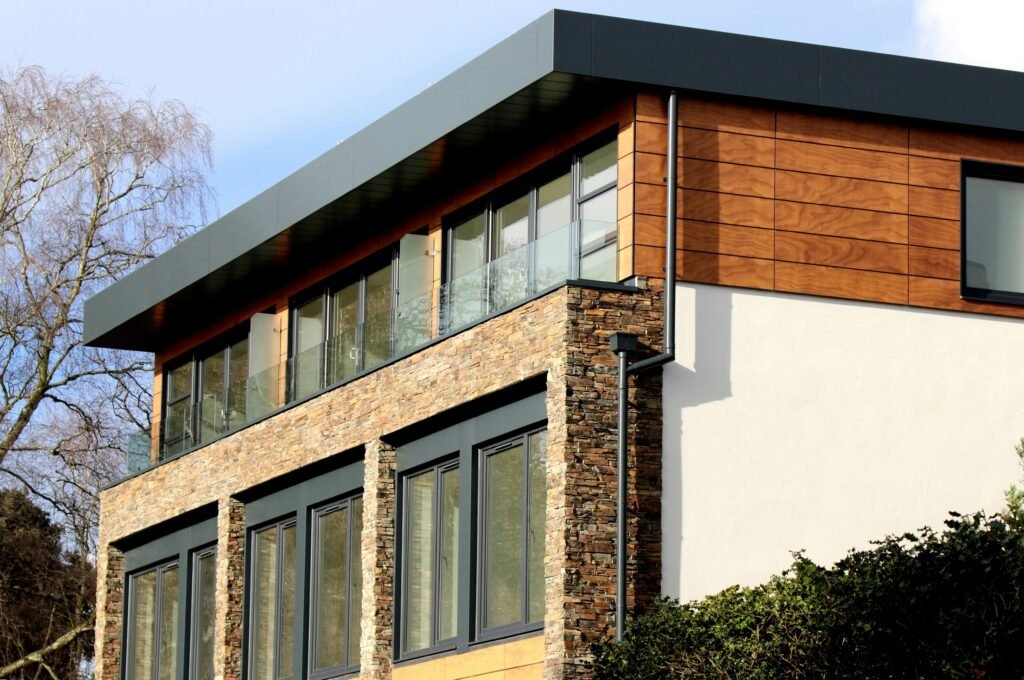
    A modern multi-story building facade with reflective glass panels and clean geometric lines stands prominently against a clear blue sky.
    Royalty free image via pexels.

    Sustainable architecture is no longer a niche concept. It has become a practical and necessary approach to modern construction. As climate concerns grow and cities expand rapidly, architects and developers are rethinking how buildings are designed, constructed, and operated.

    Today’s sustainable architecture focuses on reducing environmental impact, improving energy efficiency, and creating healthier spaces for people. With new materials, renewable energy systems, and intelligent technologies, the construction industry is moving toward a more responsible future.

    Why Sustainable Architecture Matters

    Buildings account for a significant share of global energy consumption and carbon emissions. Traditional construction methods rely heavily on resource-intensive materials and fossil fuels. As a result, the environmental footprint of buildings has become a major concern.

    Sustainable architecture addresses these challenges by prioritizing efficiency, durability, and environmental balance. It also enhances occupant comfort by improving indoor air quality, natural lighting, and thermal performance.

    Eco-Friendly Building Materials

    The foundation of sustainable architecture begins with the right materials.

    Recycled steel is widely used because it reduces the demand for newly mined resources. Bamboo is another popular option due to its rapid growth and strength. Insulated concrete forms improve thermal performance while lowering long-term energy consumption.

    One of the most promising innovations is cross-laminated timber. This engineered wood product offers impressive structural strength while generating fewer emissions compared to traditional concrete. As a result, it is gaining popularity in large-scale residential and commercial projects.

    By choosing environmentally responsible materials, builders can significantly reduce the carbon footprint of a project from the start.

    Renewable Energy Integration

    Energy efficiency is at the heart of green building design. Modern sustainable buildings often generate their own clean energy.

    Solar panels are now a common feature in residential and commercial developments. In addition, photovoltaic glass allows windows to produce electricity while still letting in natural light. These technologies reduce reliance on fossil fuels and lower long-term energy costs.

    Geothermal systems are another effective solution. By tapping into the earth’s stable underground temperature, these systems provide efficient heating and cooling throughout the year. This approach reduces energy consumption while maintaining indoor comfort.

    Together, these renewable energy systems help buildings operate more independently and sustainably.

    Smart Technologies for Efficient Performance

    Technology plays a critical role in sustainable architecture.

    Internet of Things sensors monitor lighting, temperature, and occupancy in real time. This data allows automated systems to adjust heating, cooling, and lighting only when needed. As a result, energy waste is minimized.

    Dynamic facades and electrochromic glass further enhance efficiency. These systems adapt to changing sunlight conditions, reducing heat gain and improving insulation. In turn, buildings require less artificial cooling and lighting.

    Smart technologies not only improve performance but also create a more comfortable environment for occupants.

    Biophilic Design and Urban Well-Being

    Sustainable architecture also focuses on reconnecting people with nature.

    Green roofs and living walls are increasingly common in urban developments. They provide natural insulation, improve air quality, and support biodiversity. At the same time, they help reduce the urban heat island effect.

    Biophilic design elements such as natural light, indoor plants, and organic materials create calming spaces that promote well-being. Research shows that nature-inspired environments can improve productivity and reduce stress.

    By integrating natural elements, sustainable buildings become healthier places to live and work.

    Reuse and Adaptive Renovation

    Sustainability does not always mean building something new. In many cases, repurposing existing structures is the most responsible option.

    Adaptive renovation upgrades older buildings with modern energy-efficient systems. This approach preserves cultural heritage while avoiding demolition waste. It also reduces the need for new raw materials.

    Reusing existing infrastructure is often more environmentally friendly than starting from scratch. It demonstrates how sustainable architecture can balance innovation with preservation.

    The Future of Sustainable Architecture

    The future of sustainable architecture looks promising. As technology advances and costs continue to decline, green construction methods are becoming more accessible.

    Governments and developers are increasingly adopting environmentally responsible building standards. In the coming years, sustainable design principles are expected to become standard practice rather than optional features.

    Ultimately, sustainable architecture offers scalable solutions to global challenges such as climate change and resource depletion. By combining smart technology, renewable energy, and eco-friendly materials, the construction industry is building a future that supports both people and the planet.