Tag: sustainable farming

  • The Future of Agricultural Research: Key Innovations Shaping Sustainable Farming

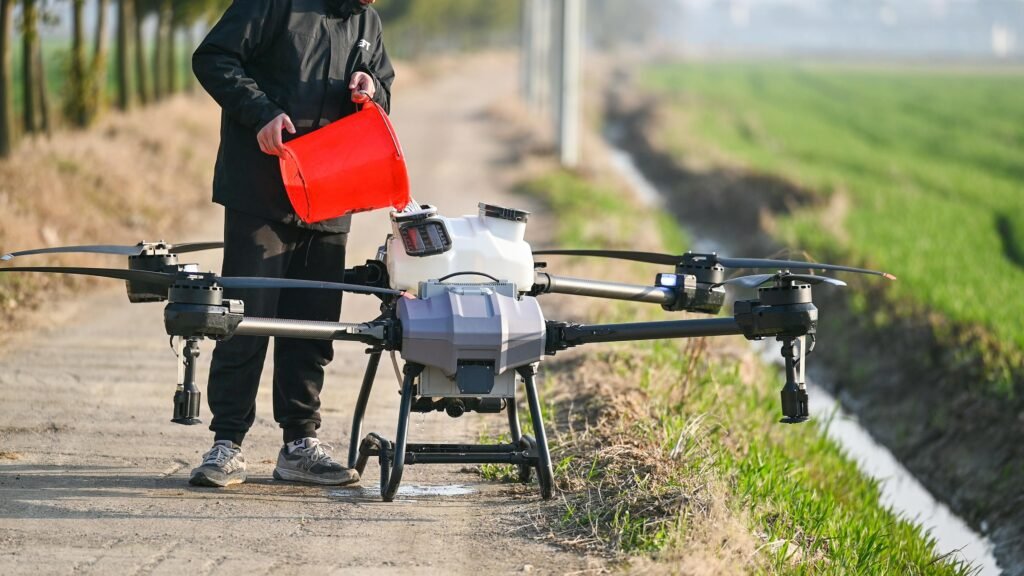
    Farmer preparing large agricultural drone with liquid pesticide in sunny field.
    Royalty free image via pexels

    Agricultural research is advancing at a rapid pace as the world faces increasing pressure from climate change, population growth, and food security concerns. Scientists, agribusinesses, and policymakers are working together to develop smarter, more sustainable farming systems that can deliver higher yields while protecting natural resources. Several emerging trends are now reshaping how food is grown and managed across the globe.

    Emerging Trends in Modern Agriculture

    Today’s agricultural research places strong emphasis on improving efficiency and long-term sustainability. Bioengineering has become a major focus, with researchers using advanced genetic tools to strengthen crops against drought, pests, and disease. Techniques such as targeted gene editing allow improvements without altering the overall structure of the plant, making crops more resilient to changing environmental conditions.

    At the same time, robotics and automation are transforming farm operations. Technologies such as drones, automated sprayers, and AI-driven machinery help farmers address labor shortages while improving accuracy in planting, irrigation, and crop protection. These tools reduce input waste and allow farms to operate more efficiently.

    Sustainable Farming Practices Gain Momentum

    Sustainability has moved from a niche concept to a core research priority. Regenerative farming practices are gaining attention for their ability to rebuild soil health and improve ecosystem balance. Methods like cover cropping, crop rotation, and reduced tillage help retain soil nutrients, improve water retention, and lower erosion.

    Indoor farming systems are also expanding, particularly in regions facing water scarcity or limited arable land. Vertical farming and hydroponic systems use significantly less water than traditional agriculture while enabling year-round food production close to urban centers.

    Technology Driving Smarter Farm Decisions

    Artificial intelligence is playing a growing role in agricultural planning and management. Predictive analytics tools analyze weather patterns, soil conditions, and crop data to forecast yields, pest risks, and equipment maintenance needs. Many large-scale farms now rely on these systems to improve decision-making and reduce unexpected losses.

    Another emerging innovation is the use of digital twins. These virtual models replicate real-world farming conditions, allowing researchers and growers to test scenarios and optimize resource use before making changes in the field. This approach supports more precise planning as global food demand continues to rise.

    Precision Agriculture and Supply Chain Transparency

    Precision agriculture continues to expand through the use of geospatial mapping and sensor-based technologies. These tools monitor soil health, track crop performance, and estimate future yields with greater accuracy. As adoption grows, precision farming is becoming a key driver of productivity and cost control.

    Beyond the farm, traceability technologies are improving transparency across agricultural supply chains. Blockchain systems combined with Internet of Things devices help verify product origins, reduce food fraud, and minimize waste. These solutions also build trust with consumers who want greater visibility into how their food is produced.

    Future Outlook for Agricultural Research

    Looking ahead, agricultural research is expected to focus heavily on reducing environmental impact while maintaining productivity. Advanced biofertilizers are being developed to improve nutrient absorption and cut reliance on synthetic chemicals. Carbon farming initiatives are also gaining traction by rewarding farmers for practices that capture and store carbon in soil.

    As agriculture remains a significant contributor to global greenhouse gas emissions, these innovations will play a crucial role in building resilient food systems. With continued investment and research, the sector is well positioned to support sustainable and productive farming for the future.
  • Global Agriculture in 2025: Major Innovations and Ongoing Challenges

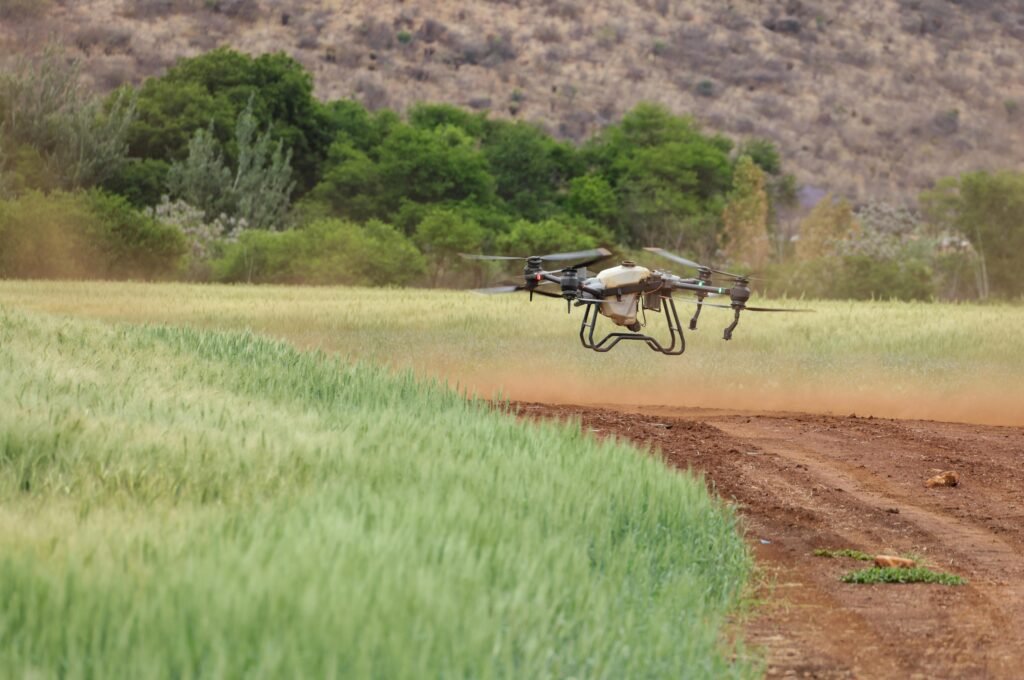
    Aerial drone surveying vast green agricultural fields in a rural landscape under a clear blue sky.
    Royalty free image, Pexels

    Agriculture in 2025 experienced significant transformation as technology became central to how food is produced worldwide. Farmers across regions increasingly relied on advanced tools to improve productivity, manage costs, and address food security concerns. At the same time, climate pressures and economic uncertainty continued to test global agricultural systems.

    This article explores the most important agricultural innovations of 2025, along with the key challenges shaping the future of farming.

    Technological Innovations Shaping Agriculture

    AI and Precision Farming

    Artificial intelligence and precision farming played a leading role in modern agriculture during 2025. Farmers used data collected from sensors, drones, and satellite imagery to make more accurate decisions about irrigation, fertilization, and pest control. These technologies reduced unnecessary resource use while improving crop yields.

    Precision farming also supported sustainable approaches such as regenerative agriculture by improving soil health and reducing environmental impact.

    Robotics and Automation in Farming

    Robotics continued to advance, with AI-powered machines handling complex agricultural tasks. Automated harvesters, pruning robots, and planting systems improved accuracy and reduced dependency on manual labor. These technologies helped farmers manage labor shortages while maintaining consistent output quality.

    Growth of Vertical and Controlled Environment Farming

    Vertical farming and controlled environment agriculture expanded rapidly, particularly in urban areas. These systems enabled year-round food production using less land and water. By growing crops closer to consumers, farmers reduced transportation costs and improved supply chain efficiency.

    Biotechnology and Emerging Agrotech

    Biotechnology and agrotech innovations focused on long-term sustainability. Solutions such as carbon utilization, remote sensing, and soil restoration techniques helped farms adapt to climate change. Agentic AI also emerged as a breakthrough, allowing farms to make autonomous, real-time decisions based on environmental and operational data.

    Key Challenges Facing Global Agriculture

    Climate and Environmental Pressures

    Climate change remained one of the biggest threats to agriculture in 2025. Extreme weather events, rising input costs, and soil degradation reduced productivity in many regions. Agricultural expansion also contributed to deforestation, accelerating biodiversity loss and greenhouse gas emissions.

    Economic and Geopolitical Uncertainty

    Geopolitical tensions and economic instability affected global food systems. Many farmers faced fluctuating markets, rising operational costs, and limited access to financing. Rural poverty increased in several regions, making it harder for small farmers to invest in new technologies.

    Labor Shortages and Market Volatility

    Labor shortages persisted, pushing farms to rely more heavily on automation. However, concerns around return on investment slowed adoption for some producers. Unpredictable market prices further complicated long-term planning for farmers.

    The Path Forward for Sustainable Agriculture

    The future of agriculture depends on combining technological innovation with supportive policies. Integrating AI-driven solutions with government incentives can help create resilient and inclusive food systems. Innovations such as agrivoltaics, which combine solar energy generation with farming, offer farmers additional income while improving land use efficiency.

    Global efforts now focus on science, technology, and innovation to meet rising food demand without compromising environmental sustainability.