Tag: sustainable living

  • A Unique Solar-Powered Platform

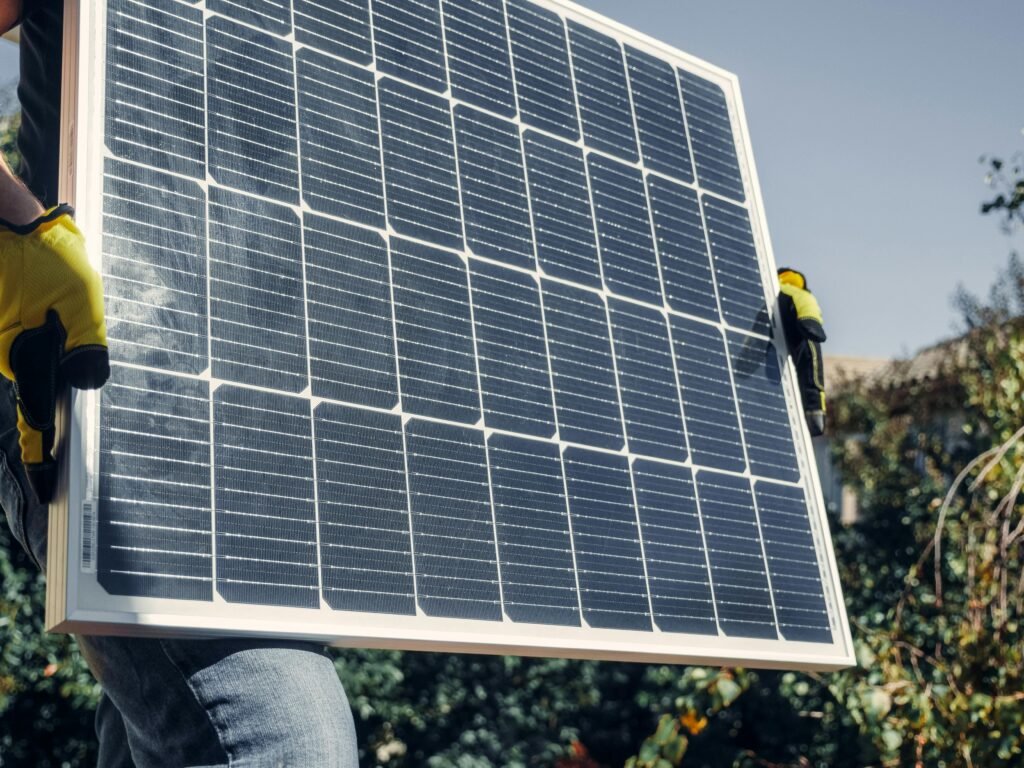
    Vibrant green solar panel held by hands against clear sky, representing accessible low-tech renewable energy solutions.
    Royalty free image via pexels.

    What sets this platform apart is that it runs entirely on solar power. This proves that websites can remain operational even during low sunlight periods. By adopting a self-hosted solar model, the site dramatically reduces energy demand while sharing practical insights on low-tech renewable solutions.

    Key Solar Innovations

    The magazine covers inventive projects like compact solar heaters that store warmth for hours using simple solar panels. It also dives into historical photovoltaic experiments, showing how early solar technology laid the groundwork for modern solar cells.

    Principles of Low-Tech Solar

    The focus is on stand-alone solar systems for everyday devices, reducing reliance on traditional electricity grids. Guides emphasize durable, repairable, and easy-to-maintain systems rather than high-efficiency setups that create more waste over time.

    Benefits of Low-Tech Solar

    Solar setups can significantly lower emissions and energy bills while requiring minimal maintenance. They also increase property value and promote energy independence. While initial costs and variable sunlight may pose challenges, the long-term benefits make these systems a worthwhile investment.

    Practical Considerations

    Intermittent sunlight demands smart energy storage solutions, and available space may limit panel installations. Although solar panel production has an environmental footprint, the lifetime energy gains typically outweigh these initial impacts.

    DIY Solar Projects

    For beginners, start small. Build a solar heating cube by insulating a box, adding thermal mass such as stones, and connecting it to a basic photovoltaic array. In sunny climates like Bhopal, this setup provides reliable warmth without relying on fossil fuels.

    Embracing low-tech solar innovations not only supports a sustainable lifestyle but also demonstrates that practical renewable energy solutions are accessible to everyone.
  • Sustainable Living: Practical Steps to Build a Greener Future

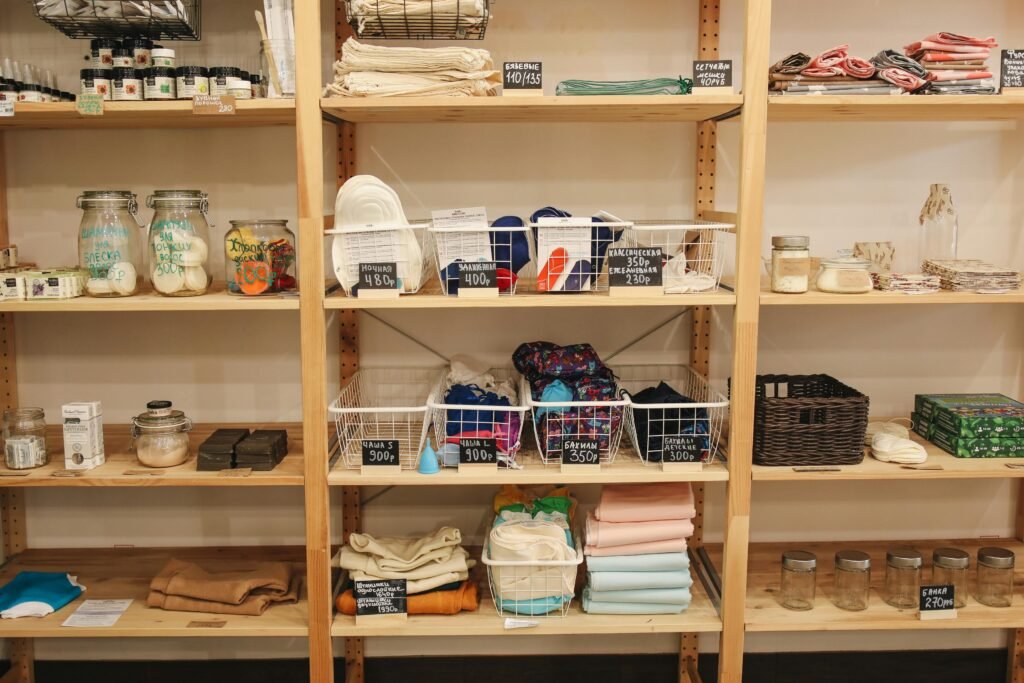
    Neatly folded eco-friendly textiles organized on rustic wooden shelf for sustainable home storage.
    Royalty free image via pexels.

    Sustainable living has become a necessity rather than a choice in today’s world. With increasing pressure on natural resources and growing environmental challenges, adopting eco-conscious habits helps protect the planet while ensuring a better future for coming generations. The good news is that sustainability does not require extreme lifestyle changes. Small, intentional actions can create a meaningful and lasting impact.

    Why Sustainable Living Matters

    Living sustainably helps reduce environmental damage while offering personal benefits such as better health and long-term cost savings. It encourages a balance between individual needs and the well-being of the planet. By making thoughtful choices in everyday life, people can lower energy consumption, minimize waste, and consume resources more responsibly.

    Simple Energy-Saving Habits

    Reducing energy use is one of the most effective ways to live sustainably. Switching to renewable energy options like solar power can significantly lower carbon emissions where feasible. At home, unplugging unused electronics and replacing traditional bulbs with LED lighting helps reduce electricity consumption. Proper insulation and smart temperature controls also improve energy efficiency while keeping indoor spaces comfortable.

    Smart Ways to Reduce Waste

    Waste reduction plays a vital role in sustainability. Composting food scraps not only reduces landfill waste but also improves soil health. Replacing disposable products with reusable alternatives such as cloth bags, metal bottles, and glass containers cuts down plastic pollution. Buying items in bulk and choosing stores that support low-waste practices further reduces unnecessary packaging.

    Making Sustainable Food Choices

    Food habits have a direct impact on the environment. Choosing locally grown and seasonal produce reduces emissions linked to long-distance transportation and supports regional farmers. Adding more plant-based meals throughout the week can lower environmental strain while improving overall nutrition. Planning meals carefully and using leftovers creatively helps prevent food waste.

    Eco-Friendly Transportation Options

    Transportation is another major contributor to emissions. Walking, cycling, or using public transport for short trips helps reduce fuel use and pollution. For longer distances, carpooling or transitioning to electric vehicles can significantly lower environmental impact. Organizing errands efficiently also reduces unnecessary travel.

    Responsible Shopping Habits

    Mindful shopping supports sustainability by extending the life of products. Purchasing second-hand clothing and household items reduces demand for new production. Repairing items instead of replacing them saves money and resources. When buying new products, choosing natural materials and minimal packaging helps limit environmental harm.

    Sustainable Upgrades for Your Home

    Small home improvements can lead to meaningful environmental benefits. Installing water-efficient fixtures such as low-flow taps and showerheads conserves water without reducing comfort. Growing herbs or vegetables in small spaces like balconies provides fresh produce and promotes self-sufficiency. Using natural cleaning products reduces exposure to harmful chemicals while keeping homes safe and healthy.

    Moving Toward a Greener Lifestyle

    Sustainable living is a journey that begins with manageable steps. Starting with one or two changes makes the transition easier and builds long-term habits. These everyday actions align with broader advancements in green technology, agriculture, and eco-friendly construction, contributing to a more resilient and sustainable future.