Tag: sustainable packaging

  • BASF Showcases Sustainable Plastics Innovations at PlastIndia 2026

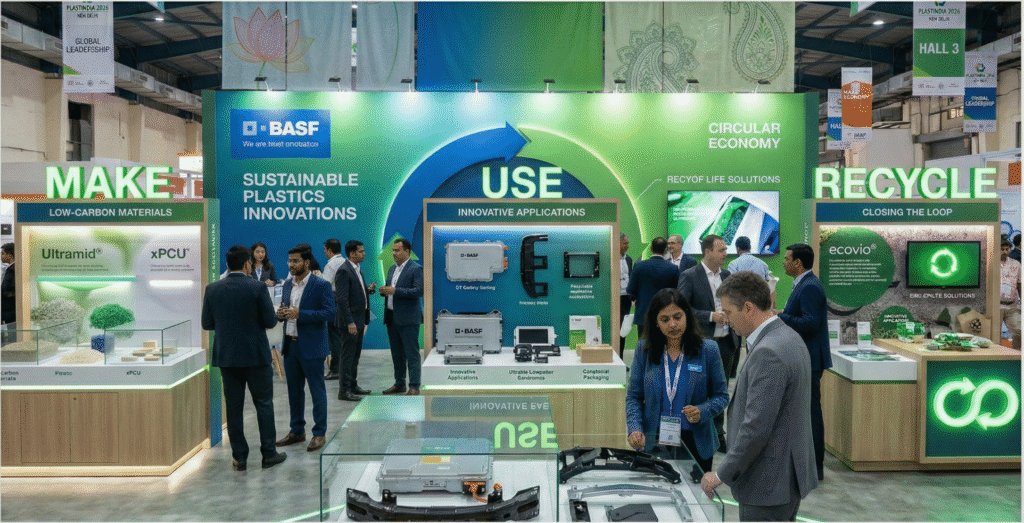
    Photorealistic image of BASF's vibrant exhibition booth at PlastIndia 2026 in New Delhi, featuring sustainable plastics displays with recyclable automotive parts, biodegradable packaging, and consumer electronics components in Make, Use, and Recycle zones, surrounded by professionals, glowing recycling symbols, and green-blue circular economy theme.
    generated by google gemini

    The global plastics industry is undergoing a major transformation, and BASF is positioning itself at the forefront of this shift. As preparations for PlastIndia 2026 gain momentum, the company is set to present its latest advancements focused on sustainability and responsible plastic use.

    PlastIndia 2026: A Key Industry Gathering

    Scheduled from February 5 to 10, PlastIndia 2026 will bring together industry leaders, innovators, and manufacturers from across the globe. The event serves as a platform to explore new technologies, emerging trends, and practical solutions in the plastics sector.

    BASF plans to use this opportunity to showcase how its innovations are not just concepts but real-world applications that industries can adopt today.

    BASF’s Approach to Sustainable Plastics

    BASF’s strategy is built around a clear and structured vision. The company focuses on three critical stages of the plastic lifecycle:

    1. Responsible Production

    The first step involves producing plastics with a reduced environmental footprint. BASF is investing in advanced processes that lower emissions and minimize resource consumption during manufacturing.

    2. Efficient Usage

    Beyond production, the company emphasizes designing plastics that perform better and last longer. This helps industries create high-quality products while using fewer materials.

    3. Advanced Recycling

    Recycling remains a key pillar of BASF’s sustainability efforts. The company is working on innovative recycling technologies that improve material recovery and reduce waste.

    Together, these steps contribute to building a circular system where plastics are reused and repurposed instead of discarded.

    Driving a Circular Economy

    The concept of a circular economy is central to BASF’s showcase. By focusing on reuse and recycling, the company aims to reduce dependency on raw materials and cut down environmental impact.

    This approach not only benefits the planet but also supports businesses in meeting stricter sustainability regulations and consumer expectations.

    BASF’s Commitment to Innovation

    As a global leader in the chemical industry, BASF continues to invest in solutions that balance performance with environmental responsibility. Its participation in PlastIndia 2026 reflects a long-term commitment to collaborating with industries for greener alternatives.

    The company’s efforts highlight how innovation can play a crucial role in solving some of the biggest environmental challenges associated with plastics.

    Why This Matters for the Industry

    Sustainability is no longer optional for manufacturers. With increasing demand for eco-friendly packaging and products, companies must adapt quickly.

    BASF’s solutions offer practical ways to:

    • Reduce carbon emissions
    • Improve recyclability
    • Enhance product efficiency

    Visitors at PlastIndia 2026 can expect interactive demonstrations that clearly show how these innovations work in real-life applications.

    Conclusion

    BASF’s presence at PlastIndia 2026 signals a strong push toward a more sustainable future for plastics. By addressing the entire lifecycle of plastic products, the company is helping industries move closer to responsible production and consumption.

    As sustainability becomes a key driver in global markets, initiatives like these will play a vital role in shaping the future of materials and manufacturing.
  • L’Oréal’s Sustainable Innovation Accelerator: 13 Startups Redefining Green Beauty

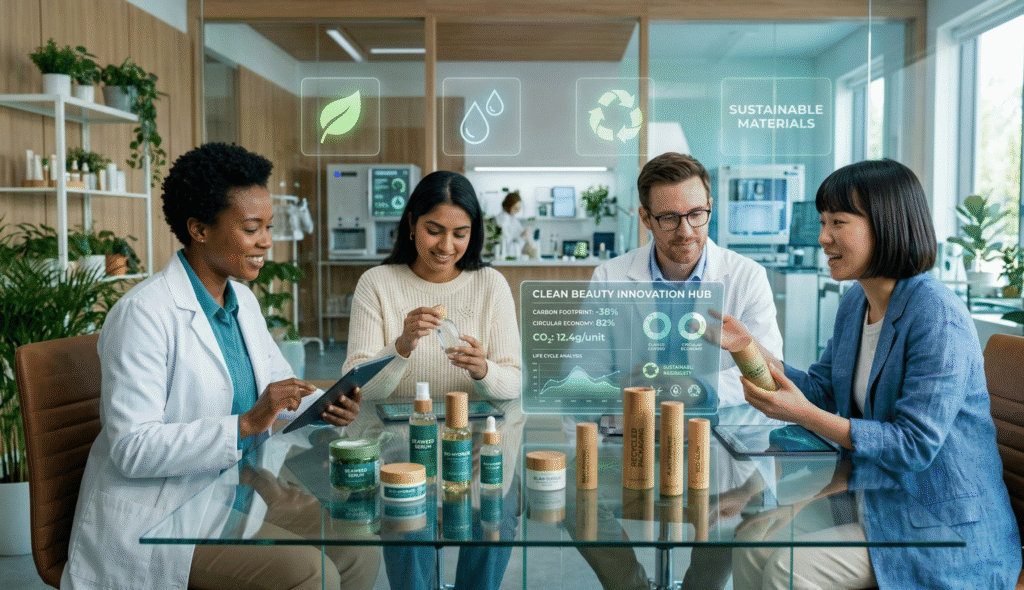
    Diverse group of scientists and startup founders collaborating in a modern beauty innovation lab, with eco‑friendly cosmetic products, biodegradable packaging made from seaweed and recycled materials, and digital dashboards showing sustainability data and circular‑economy icons in the background.
    generated by google gemini

    The global beauty industry is undergoing a major transformation, and L’Oréal is stepping forward with a bold initiative to lead that change. The company has introduced its first large-scale sustainability accelerator, L’AcceleratOR, supported by a €100 million investment over five years. This program has been developed in collaboration with University of Cambridge Institute for Sustainability Leadership, reinforcing its credibility and global reach.

    The goal is simple yet ambitious: support innovative startups that can help reshape the beauty industry through sustainable practices. From nearly 1,000 applications across 101 countries, L’Oréal has selected 13 promising startups, referred to as “Change Makers,” working across packaging, ingredients, energy solutions, and environmental data systems.


    What L’AcceleratOR Aims to Achieve

    L’AcceleratOR is more than just a startup program. It is a long-term innovation platform designed to bring practical, scalable solutions into real-world use. Instead of focusing only on ideas, the program helps startups test, refine, and implement their technologies within L’Oréal’s global operations.

    The accelerator focuses on four strategic areas:

    1. Next-Generation Packaging

    Developing alternatives to traditional plastic packaging that are sustainable, biodegradable, or recyclable.

    2. Responsible Ingredient Sourcing

    Encouraging the use of natural resources in a way that protects ecosystems and supports ethical supply chains.

    3. Circular Economy Solutions

    Promoting systems that reduce waste by reusing, recycling, or regenerating materials.

    4. Data and Environmental Intelligence

    Building tools that help measure and manage environmental impact, especially in line with long-term sustainability goals.


    Supporting L’Oréal’s 2030 Sustainability Vision

    This initiative directly supports L’Oréal’s ambitious environmental targets for 2030. The company aims to:

    • Source at least 90 percent of bio-based materials responsibly
    • Ensure more than 75 percent of ingredients come from natural or recycled sources
    • Use 50 percent recycled or bio-based materials in all products

    By partnering with startups that can quickly move from innovation to implementation, L’Oréal is aiming to turn these goals into measurable outcomes across its global supply chain.


    Startups Powering the Future of Green Beauty

    The selected 13 startups represent a diverse mix of regions and technologies. Many are already operating at advanced stages, which increases their potential for real-world impact. Their innovations span several key areas:

    Eco-Friendly Packaging Innovations

    Some startups are creating alternatives to plastic using materials such as seaweed and plant-based fibers. Others are developing paper-based bottles and low-carbon molded fiber packaging. There are also solutions that use wood-derived materials to replace petroleum-based plastics in shipping and retail.

    Natural and Upcycled Ingredients

    A number of companies are transforming waste into valuable cosmetic ingredients using green chemistry techniques. These include converting industrial byproducts into usable materials and developing plant-based biopolymers. One biotech startup is even using fungi to break down discarded textiles and turn them into new raw materials, helping reduce both textile and beauty waste.

    Circular Systems and Advanced Recycling

    Several startups are tackling one of the biggest challenges in sustainability: recycling complex plastics. They are working on technologies that can process multi-layer packaging, which is typically difficult to recycle. Another company is producing biomethane from organic waste and has already partnered with L’Oréal on energy solutions for the cosmetics sector.

    Climate Tracking and Impact Measurement

    Digital platforms are also part of the cohort. These tools help companies track their carbon footprint and identify ways to reduce emissions. As environmental regulations become stricter, such technologies are becoming essential for transparent reporting and accountability.


    Why This Matters for the Beauty Industry

    L’Oréal’s accelerator highlights a shift in how large companies approach sustainability. Instead of working in isolation, they are collaborating with agile startups that bring fresh ideas and faster execution.

    This model benefits both sides. Startups gain access to global infrastructure and resources, while L’Oréal accelerates its transition toward a more sustainable business model. More importantly, it sets a benchmark for the entire beauty industry to follow.


    Conclusion

    The launch of L’AcceleratOR signals a meaningful step toward a greener future in beauty. By investing in innovation and collaboration, L’Oréal is not only addressing current environmental challenges but also building a foundation for long-term sustainability.

    As these 13 startups scale their solutions, their impact could extend far beyond cosmetics, influencing packaging, energy use, and resource management across multiple industries.