Author: connect.vanshjain@gmail.com

  • Green Technology Innovations Driving Sustainable Growth in 2026

    Futuristic 2026 green tech city blending advanced batteries, carbon capture towers, and AI-driven sustainable farms for a cleaner planet.
    generated by google gemini

    Sustainability is no longer just a social responsibility. In 2026, green technology innovations are transforming environmental challenges into practical business opportunities. Companies across the world are adopting cleaner technologies not only to protect the environment but also to improve efficiency and reduce operational costs.

    Research institutions and technology developers are introducing solutions that help industries move toward a low carbon future. From energy storage to intelligent farming tools, these innovations are making sustainability more accessible and profitable for businesses.

    Key Green Technology Innovations in 2026

    Several technological developments are playing a major role in accelerating sustainability this year. Three innovations stand out for their strong impact on industries and global environmental goals.

    Advanced Energy Storage Systems

    Energy storage has become a critical part of the renewable energy ecosystem. Modern battery systems are helping businesses and households store power generated from renewable sources such as solar and wind.

    Improved battery designs now offer higher efficiency, longer life cycles, and faster charging capabilities. These systems allow organizations to use renewable energy more reliably, even when the sun is not shining or the wind is not blowing.

    Carbon Capture Technologies

    Another breakthrough comes from carbon capture solutions designed to remove carbon dioxide from the atmosphere. These systems capture CO2 emissions from industrial processes and store or reuse them in various products.

    Captured carbon can be used in manufacturing materials like concrete, reducing the need for new raw resources. This approach supports global net zero targets while helping companies lower their carbon footprint.

    AI Optimized Agriculture

    Technology is also reshaping agriculture. Artificial intelligence based farming tools help farmers monitor soil conditions, crop health, and weather patterns in real time.

    These systems analyze large amounts of data to recommend the right amount of water, fertilizer, and pesticides. As a result, farmers can improve crop yields while using fewer natural resources. This method supports more resilient and sustainable food production systems.

    Business Benefits of Green Technology

    Green innovations are changing the way businesses view sustainability. Instead of treating environmental initiatives as a cost, companies now see them as an investment that can generate long term value.

    Organizations that adopt sustainable technologies often experience lower energy expenses, improved operational efficiency, and stronger brand credibility. Customers and investors increasingly prefer companies that demonstrate responsible environmental practices.

    In addition, governments around the world are introducing stricter environmental regulations. Businesses that integrate green solutions early can stay ahead of compliance requirements and avoid future penalties.

    A good example is the growing use of Green hydrogen in heavy industries. Steel manufacturing and other energy intensive sectors are beginning to use this cleaner fuel alternative to reduce emissions while maintaining productivity.

    The Future of Sustainable Innovation

    The pace of green technology development is expected to increase in the coming years. Governments, investors, and private companies are expanding funding for sustainable research and infrastructure.

    As adoption grows, these innovations will continue to reshape industries such as energy, manufacturing, agriculture, and transportation. Businesses that invest in sustainable technology today will likely play a major role in building a cleaner and more resilient global economy.

    Looking ahead to 2027 and beyond, green innovation will not only help address environmental challenges but also create new markets, jobs, and economic opportunities worldwide.

    Conclusion

    Green technology innovations are proving that sustainability and profitability can work together. From advanced batteries to carbon capture systems and AI driven agriculture, these solutions are helping businesses operate more efficiently while protecting the planet.

    Companies that embrace these technologies early will gain both environmental and competitive advantages in the years ahead.
  • Key Advances in Solar and Renewable Energy

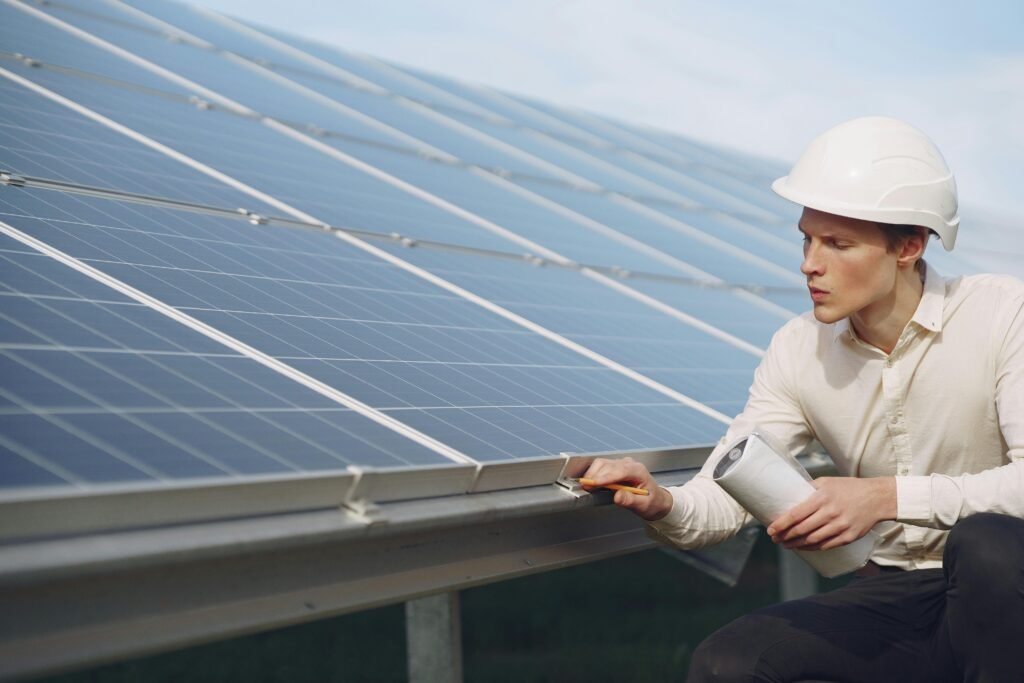
    Solar technician in safety gear closely inspecting large photovoltaic panels on a sunny day, highlighting routine maintenance for efficient renewable energy systems.
    Royalty free image via pexels.

    The global energy landscape is changing quickly. Innovations in renewable technology are making clean power more efficient, affordable, and reliable. By 2025 and beyond, these developments are expected to accelerate the shift away from fossil fuels.

    Advances in solar power, hydrogen fuel, battery storage, and smart grid technology are helping renewable energy move closer to becoming the primary source of electricity worldwide. As research and investment continue to grow, these technologies are opening new possibilities for sustainable power generation.

    Perovskite Solar Breakthroughs

    One of the most exciting developments in solar energy is the progress in perovskite solar cells. These advanced materials have demonstrated impressive efficiency levels in laboratory testing, often exceeding 25 percent. Researchers are also combining perovskite layers with traditional silicon cells to achieve even higher performance.

    Another advantage of perovskite technology is its flexibility. Unlike conventional solar panels, these cells can be lightweight and adaptable. This makes them suitable for building-integrated solar systems, portable energy solutions, and innovative architectural designs.

    However, durability remains a challenge. Exposure to moisture, heat, and sunlight can affect their long term stability. Scientists are currently working on improved coatings and protective layers to address these issues. As production methods improve and costs decrease, perovskite solar technology could soon become a practical option for large scale deployment.

    The Rise of Green Hydrogen

    Green hydrogen is gaining global attention as a clean fuel for industries that are difficult to decarbonize. It is produced through electrolysis powered by renewable energy, which separates hydrogen from water without generating carbon emissions.

    This technology has strong potential in sectors such as steel production, shipping, and heavy transportation. These industries require high energy intensity, making traditional electrification more challenging.

    Investment in green hydrogen projects has increased significantly in recent years. By 2024, global funding had reached around 75 billion dollars, with strong manufacturing growth in countries like China. Continued innovation is expected to reduce production costs and improve water efficiency. Analysts estimate that global output could reach nearly 49 million tons annually by 2030.

    Next Generation Energy Storage

    Reliable energy storage is essential for expanding renewable power. Solar and wind energy are variable by nature, which means electricity must be stored for use when production drops.

    New battery technologies are helping solve this challenge. Solid state batteries and flow batteries offer higher energy density and longer operational lifespans compared with traditional lithium ion systems. These technologies could play an important role in stabilizing power grids.

    Thermal storage systems are also becoming more common. Some facilities use molten salt to store heat from solar power plants, allowing electricity generation even after sunset. Meanwhile, sodium ion batteries are emerging as an alternative that could reduce reliance on limited lithium supplies.

    The global energy storage market is expanding rapidly and is projected to reach more than 31 billion dollars by 2031.

    Growth of Bifacial and Floating Solar

    Solar technology is also evolving in the design of photovoltaic panels. Bifacial solar panels are capable of capturing sunlight on both sides of the module. When installed over reflective surfaces such as sand, water, or light colored rooftops, they can increase energy output by up to 30 percent.

    Today, bifacial modules are becoming the standard design in new solar installations, accounting for a large share of modern photovoltaic systems.

    Floating solar farms represent another innovative solution. These installations are placed on reservoirs, lakes, or other water bodies. The cooling effect of water helps improve panel efficiency by roughly 15 percent. At the same time, floating solar reduces land use and minimizes water evaporation.

    If deployed on a large scale, floating solar could potentially generate energy levels far greater than current global solar capacity.

    Battery Systems and Artificial Intelligence Optimization

    Battery Energy Storage Systems are becoming a critical component of modern renewable energy networks. Technologies such as lithium iron phosphate batteries are helping stabilize electricity grids by storing excess energy generated during peak production.

    The battery storage sector is growing quickly and is expected to expand at an annual rate of nearly 27 percent in the coming years.

    Artificial intelligence is also playing an important role in energy management. AI based systems can predict electricity demand and renewable energy production, allowing grid operators to balance supply more effectively. In addition, digital twin technology allows companies to simulate energy assets and optimize performance before making costly infrastructure decisions.

    Wind and Blockchain Innovations

    Wind energy continues to advance through new engineering designs. Floating wind turbines are opening opportunities for power generation in deeper offshore waters where wind resources are stronger and more consistent.

    Vertical axis wind turbines are also gaining attention because they can operate efficiently in urban environments with complex wind patterns. Some developers are experimenting with wooden turbine towers, which can reduce construction related emissions.

    At the same time, blockchain technology is beginning to reshape energy markets. Blockchain platforms allow direct peer to peer electricity trading between consumers and producers. The technology can also verify renewable energy certificates, improving transparency in green energy markets.

    The blockchain energy sector is expected to grow rapidly over the next decade.

    Diverse Renewables and Smart Grid Integration

    Renewable energy systems are strongest when they combine multiple power sources. Hydropower and geothermal energy provide stable base load electricity that complements variable solar and wind production.

    Modern smart grids are helping integrate these diverse resources. Using real time data and advanced sensors, smart grid systems can automatically adjust electricity flows, balance supply and demand, and reduce energy waste. This improves reliability while making renewable energy networks more resilient.

    Broader Impacts of Renewable Energy Innovation

    The rapid development of renewable technologies is creating benefits far beyond electricity generation. Clean energy investments are generating new employment opportunities, strengthening energy security, and reducing pollution related health risks.

    As technology costs continue to fall and supportive policies expand, renewable energy is positioned to become the backbone of a low carbon global economy. The coming decade will likely see even greater innovation as governments, businesses, and researchers work together to build a sustainable energy future.

  • Electric Mobility Innovation in 2026: Key Technical Developments Driving Sustainable Transport

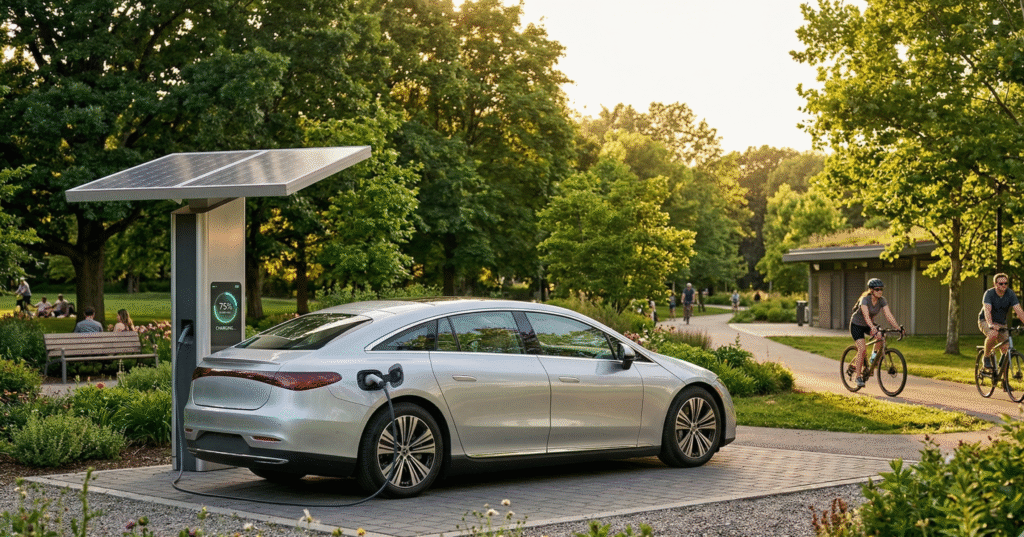
    A photorealistic image depicts a sleek silver electric car plugged into a modern charging station in a lush urban park, featuring solar panels on the charger, surrounding green trees, cyclists in motion, and golden hour sunlight creating soft shadows, with a glowing battery indicator at 75%.
    generated by google gemini

    Introduction

    Electric mobility continues to evolve through strong technological innovation and infrastructure development. As the global transportation sector moves toward sustainability, several technical advancements are improving efficiency, reducing emissions, and supporting large scale adoption of electric vehicles. The following points highlight the major technical developments shaping electric mobility in 2026.

    Key Technical Innovations in Electric Mobility

    Advanced Battery Technologies

    • Development of solid state batteries with higher energy density and improved safety.
    • Introduction of sodium ion batteries as an alternative to lithium based batteries.
    • Improvements in battery thermal management systems for better safety and performance.
    • Enhanced battery recycling technologies to reduce environmental impact.
    • Sustainable sourcing of battery raw materials to support responsible production.

    Electric Vehicle Performance Improvements

    • Increased vehicle range through higher capacity battery packs.
    • Faster charging capability due to improved battery chemistry and power electronics.
    • Advanced battery management systems to optimize charging cycles and extend battery life.
    • Integration of lightweight materials to improve energy efficiency.

    Smart Charging Infrastructure

    • Rapid expansion of public and private EV charging networks.
    • Deployment of fast charging and ultra fast charging stations for reduced charging time.
    • Use of data analytics and location intelligence for optimized charging station placement.
    • Smart grid integration to balance electricity demand and supply.
    • Renewable energy integration in charging infrastructure.

    Intelligent Energy and Charging Systems

    • Smart charging platforms that manage charging schedules and grid load.
    • Vehicle to grid technology enabling EVs to supply power back to the grid.
    • Development of dynamic charging technologies that allow vehicles to charge while moving.
    • AI based energy management systems for efficient charging operations.

    Startup Driven Technological Innovation

    • Development of advanced battery management systems by emerging technology startups.
    • Innovation in smart charging platforms and energy optimization tools.
    • Research in electric vertical takeoff and landing aircraft for urban mobility solutions.
    • Collaboration between startups, automakers, and research institutions to accelerate EV technology deployment.

    Charging Infrastructure and Market Growth

    • Significant investment from governments and private sectors to expand charging networks.
    • Increasing number of public charging stations in high adoption regions.
    • Rapid growth of the EV charging market with projections reaching approximately USD 113 billion by 2032.
    • Expansion of EV manufacturing ecosystems across major markets including China and Europe.

    Conclusion

    Electric mobility innovation in 2026 is largely driven by advancements in battery technology, intelligent charging infrastructure, and emerging startup solutions. These technical developments are improving vehicle performance, expanding charging accessibility, and supporting the global transition toward sustainable transportation systems.

  • 7 Key ESG Trends That Will Shape Business Strategy in 2026

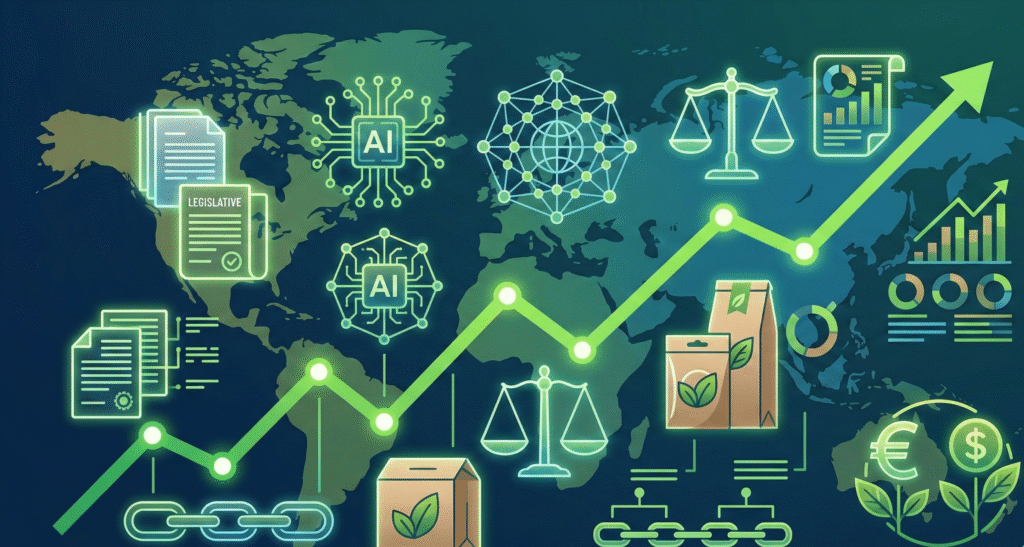
    As businesses prepare for 2026, the ESG landscape is becoming more complex than ever. Political shifts, regulatory changes, litigation risks, and technological innovation are reshaping how companies approach environmental, social, and governance priorities.

    Abstract illustration of a world map overlaid with an upward green trend line and ESG icons including regulatory documents, AI circuits, justice scales, data charts, eco-packaging, supply chains, and green currency symbols, representing key sustainability trends for 2026.
    generated by google gemini

    Organizations can no longer treat ESG as a compliance exercise. It has become a strategic priority that directly influences reputation, investment, operations, and long-term growth. Below are seven important ESG trends that are expected to shape corporate strategy in 2026.


    1. Regulatory Uncertainty Continues Across Regions

    The global ESG regulatory environment remains fragmented. While some regions are accelerating sustainability efforts, others are taking a step back.

    The European Union is pushing forward with initiatives such as the Clean Industrial Deal to strengthen competitiveness while maintaining climate ambitions. Many countries are also aligning their reporting frameworks with the International Sustainability Standards Board to improve global consistency.

    In contrast, parts of the United States are experiencing anti-ESG policy movements at both federal and state levels. This creates additional complexity for multinational companies that must comply with differing regulatory expectations across jurisdictions.

    Businesses operating globally must remain agile and invest in regulatory monitoring systems to stay compliant.


    2. Artificial Intelligence Expands ESG Impacts Across Value Chains

    Artificial intelligence is no longer just a digital transformation tool. Its ESG implications are expanding rapidly.

    Beyond concerns about energy use in data centers, companies now need to evaluate AI’s broader environmental and social footprint. Infrastructure demands for water, electricity, and cooling systems can put pressure on net zero commitments.

    There are also growing expectations around human rights in AI-driven supply chains. Compliance with regulations such as the EU Corporate Sustainability Due Diligence Directive helps reduce litigation risk and strengthens stakeholder trust.

    Organizations that integrate ESG risk assessments into AI strategy will be better positioned to manage future scrutiny.


    3. ESG Litigation Becomes More Targeted and Strategic

    ESG-related litigation is becoming more sophisticated. Directors, investors, and advisers are increasingly facing claims related to greenwashing, supply chain oversight, and financed emissions.

    Recent climate-related rulings in European courts have narrowed certain legal paths. However, advisory opinions from the International Court of Justice have reinforced the concept of state climate responsibility, which could influence future claims.

    Businesses should prepare for increased compensation demands and formal complaints filed through OECD mechanisms. Strong governance documentation and transparent reporting will be essential in defending against such claims.


    4. Sustainability Reporting Standards Continue to Diverge

    Sustainability reporting remains a moving target.

    The European Union is simplifying some aspects of the Corporate Sustainability Reporting Directive while maintaining core disclosure requirements. At the same time, several countries are adopting ISSB-based frameworks to enhance global comparability.

    In the United States, state-level regulations are stepping in to fill federal gaps. Even where mandates are softened, transition plan disclosures continue to attract investor and regulator attention.

    Companies should strengthen internal governance frameworks to adapt quickly to evolving reporting obligations.


    5. Environmental Product Regulations Tighten Despite Simplification Efforts

    Environmental product rules are becoming stricter, particularly in areas such as packaging, batteries, and PFAS chemicals.

    Although the European Union is pursuing regulatory simplification through initiatives like the Omnibus proposal, enforcement remains strong. Carbon pricing mechanisms under the Carbon Border Adjustment Mechanism are testing how imports are taxed based on emissions.

    Extended Producer Responsibility schemes are also expanding, supporting the transition to a circular economy. Meanwhile, regulators are increasing scrutiny of green marketing claims, raising the compliance bar for businesses.

    Clear documentation and transparent sustainability claims are now critical to avoid reputational damage.


    6. Supply Chain Due Diligence Laws Evolve

    Supply chain regulation is seeing modest simplification in parts of Europe, including adjustments to the Corporate Sustainability Due Diligence Directive and the EU Deforestation Regulation.

    Germany is reviewing its national supply chain requirements, and several Asian countries are introducing new due diligence proposals. South Korea, for example, is considering stronger supply chain accountability legislation.

    Companies with global operations must map their entire value chain carefully. This helps manage civil, criminal, and reputational risks while ensuring compliance with multiple overlapping laws.


    7. Sustainable Finance and ESG Ratings Face Reform

    Sustainable finance regulations are entering a reform phase. The European Union is reviewing its Sustainable Finance Disclosure Regulation to reduce compliance costs and clarify product labeling.

    At the same time, ESG rating agencies are coming under increased oversight. The UK Financial Conduct Authority has announced plans to regulate ESG ratings providers starting in 2028. These reforms aim to improve transparency and credibility in sustainable investing.

    Investors and asset managers must apply stronger due diligence when making ESG claims, as regulatory scrutiny remains high.


    Final Thoughts

    The ESG environment in 2026 will require businesses to balance compliance, innovation, and strategic resilience. Regulatory divergence, litigation exposure, AI expansion, and sustainable finance reforms are redefining corporate responsibility.

    Organizations that treat ESG as a strategic framework rather than a reporting obligation will gain a competitive advantage. Proactive governance, transparent communication, and integrated risk management will be the key drivers of long-term success.

  • Microsoft Achieves 100% Renewable Energy Match Ahead of 2025 Sustainability Target

    Microsoft has reached an important milestone in its sustainability journey. The company has successfully matched its global electricity consumption with renewable energy sources, meeting its 2025 target ahead of schedule. This achievement strengthens Microsoft’s broader environmental commitment, first announced in 2020, to become carbon negative by 2030.

    As demand for cloud services and data centers continues to grow, this accomplishment signals that large technology companies can expand responsibly while investing in clean energy.

    The Vision Behind Microsoft’s Sustainability Commitment

    In 2020, Microsoft unveiled one of the most ambitious climate plans in the corporate world. The company pledged to become carbon negative by 2030 and to remove more carbon from the atmosphere than it has emitted since its founding by 2050.

    Beyond carbon reduction, Microsoft also committed to becoming water positive and achieving zero waste by 2030. These goals were designed to address environmental impact across operations, supply chains, and product lifecycles.

    Reaching 100 percent renewable electricity coverage is a major step toward delivering on those promises.

    How Microsoft Reached 100% Renewable Electricity

    To achieve this milestone, Microsoft invested heavily in long term power purchase agreements for wind and solar energy projects across multiple regions. The company also explored emerging clean energy technologies, including advanced nuclear solutions.

    Through partnerships with energy providers and suppliers, Microsoft secured enough renewable energy capacity to match all the electricity consumed by its global operations. This includes offices, campuses, and data centers that power services like Azure and Microsoft 365.

    Collaboration played a central role in this progress. Company leaders have consistently emphasized innovation in energy technology and close coordination with partners to accelerate the transition to cleaner power systems.

    Importantly, this achievement supports Microsoft’s target of cutting operational emissions by more than half compared to 2020 levels.

    Addressing the Challenge of Growing Energy Demand

    The rapid expansion of cloud computing and artificial intelligence has significantly increased electricity demand from data centers worldwide. Rather than slowing growth, Microsoft has focused on decoupling expansion from emissions.

    By investing early in renewable energy projects, the company has helped expand clean energy supply in regions where demand is rising. This approach not only benefits Microsoft but also strengthens broader clean energy infrastructure.

    What Comes Next for Microsoft’s Climate Strategy

    While matching 100 percent of its electricity use with renewable energy is a significant achievement, Microsoft acknowledges that more work lies ahead.

    The company plans to maintain this renewable energy match through 2030. At the same time, it is intensifying efforts to reduce Scope 3 emissions, which come from supply chains, manufacturing, and other indirect sources. These emissions often represent the largest portion of a company’s carbon footprint.

    To address this challenge, Microsoft is investing in:

    • Energy efficiency improvements across operations
    • Sustainable materials and low carbon product design
    • Carbon removal technologies
    • Stronger environmental standards for suppliers

    Balancing continued business growth with deep emissions reductions will require ongoing innovation and accountability.

    Why This Milestone Matters

    Microsoft’s renewable energy achievement demonstrates that climate goals can be integrated into long term business strategy. As one of the world’s largest technology companies, its actions influence suppliers, competitors, and policymakers.

    By reaching 100 percent renewable electricity coverage, Microsoft has set a clear benchmark for corporate sustainability leadership. The focus now shifts toward achieving carbon negative status by 2030, a goal that will require sustained commitment and industry wide collaboration.

  • Bio-Inspired Cooling for Skyscrapers: How Nature Is Shaping Energy Efficient Buildings

    Two towering residential skyscrapers in Milan, known as Bosco Verticale, covered entirely in lush green trees and vegetation, with modern glass buildings in the background under a clear blue sky.
    generated by google gemini

    As cities expand and skylines rise higher, cooling large buildings has become one of the biggest energy challenges in urban areas. Traditional air conditioning systems consume enormous amounts of electricity, especially in hot climates. To reduce this dependency, engineers and architects are turning to an unlikely mentor: nature.

    Bio-inspired cooling is an emerging approach that studies how natural systems regulate temperature and applies those lessons to modern buildings. From termite mounds to plant evaporation, nature offers efficient, low-energy solutions that are now being adapted for skyscrapers and high-rise developments.

    What Is Bio-Inspired Cooling?

    Bio-inspired cooling uses natural design principles to manage heat inside buildings. Instead of relying entirely on mechanical air conditioning, these systems focus on passive strategies such as natural airflow, shading, and water evaporation.

    The goal is simple. Reduce energy consumption, lower emissions, and support long-term net-zero targets. By observing how termites maintain stable temperatures in their mounds or how plants cool themselves through moisture release, architects are creating smarter and more sustainable structures.

    Key Bio-Inspired Cooling Techniques for High-Rise Buildings

    Several nature-based strategies are proving effective in large commercial and residential towers.

    1. Termite Mound Ventilation

    Termite mounds maintain nearly constant internal temperatures despite extreme outdoor heat. They achieve this through a natural stack ventilation system, with low and high vents that allow hot air to rise and escape while drawing cooler air inside.

    This principle has been successfully applied in modern architecture. The Eastgate Centre in Harare uses passive ventilation inspired by termite mounds. The building significantly reduces energy use and saves millions annually in cooling costs. Such systems work especially well in dry climates.

    2. Evaporative Cooling Inspired by Plants

    Plants cool themselves through transpiration, a process where moisture evaporates from their leaves and absorbs heat. Buildings can replicate this effect by using water-based cooling surfaces or green walls.

    Evaporative cooling systems can reduce cooling energy demand by up to 50 to 70 percent in suitable climates. When combined with vertical gardens or green facades, they also improve air quality and enhance urban biodiversity.

    3. Coral-Inspired Heat Dissipation and Tree Canopy Shading

    Coral reefs are structured to release heat efficiently while maintaining strength. Architects are studying these structures to design building facades that improve heat dissipation.

    Similarly, tree canopies provide shade while allowing filtered light to pass through. Shading systems inspired by tree structures help reduce solar heat gain, lower indoor temperatures, and decrease the urban heat island effect.

    Benefits of Bio-Inspired Cooling in Urban Areas

    Cooling systems account for a major share of electricity consumption in hot cities. By integrating nature-inspired designs, buildings can significantly cut energy demand.

    Key advantages include:

    • Lower electricity bills for cooling
    • Reduced carbon emissions
    • Improved indoor comfort
    • Mitigation of urban heat islands
    • Enhanced biodiversity through green integration

    Recent research suggests that energy-efficient building strategies could contribute to meaningful global reductions in building energy use by 2030. As more cities push toward climate resilience and sustainable growth, bio-inspired cooling offers a practical pathway forward.

    Challenges in Adoption

    Despite its benefits, bio-inspired cooling faces certain barriers. Initial design costs may be higher, and specialized expertise is often required during planning and construction.

    However, early integration during the architectural design phase can significantly reduce additional costs. Government grants, sustainability incentives, and collaboration with organizations such as the Biomimicry Institute are helping accelerate adoption.

    How to Implement Bio-Inspired Cooling in New Projects

    For developers and planners considering this approach, the process typically involves:

    1. Conducting a detailed climate and site analysis
    2. Evaluating feasibility based on local weather patterns
    3. Collaborating with sustainability consultants and architects
    4. Integrating cooling strategies alongside solar energy systems
    5. Monitoring performance through sensors and smart building systems
    6. Exploring public-private funding partnerships

    Early planning is critical. When bio-inspired systems are embedded into the core design rather than added later, projects remain cost-effective and technically efficient.

    The Future of Sustainable Skyscrapers

    As cities like Bhopal continue to grow and modernize, integrating climate-smart infrastructure becomes increasingly important. Bio-inspired cooling aligns perfectly with sustainable urban development goals and green innovation initiatives.

    By learning from nature’s time-tested solutions, the next generation of skyscrapers can be both high-performing and environmentally responsible. This approach is not just about reducing energy bills. It represents a shift toward smarter, more resilient cities built in harmony with natural systems.

  • Sustainable Architecture: Building the Future with Smart and Green Design

    A modern multi-story building facade with reflective glass panels and clean geometric lines stands prominently against a clear blue sky.
    Royalty free image via pexels.

    Sustainable architecture is no longer a niche concept. It has become a practical and necessary approach to modern construction. As climate concerns grow and cities expand rapidly, architects and developers are rethinking how buildings are designed, constructed, and operated.

    Today’s sustainable architecture focuses on reducing environmental impact, improving energy efficiency, and creating healthier spaces for people. With new materials, renewable energy systems, and intelligent technologies, the construction industry is moving toward a more responsible future.

    Why Sustainable Architecture Matters

    Buildings account for a significant share of global energy consumption and carbon emissions. Traditional construction methods rely heavily on resource-intensive materials and fossil fuels. As a result, the environmental footprint of buildings has become a major concern.

    Sustainable architecture addresses these challenges by prioritizing efficiency, durability, and environmental balance. It also enhances occupant comfort by improving indoor air quality, natural lighting, and thermal performance.

    Eco-Friendly Building Materials

    The foundation of sustainable architecture begins with the right materials.

    Recycled steel is widely used because it reduces the demand for newly mined resources. Bamboo is another popular option due to its rapid growth and strength. Insulated concrete forms improve thermal performance while lowering long-term energy consumption.

    One of the most promising innovations is cross-laminated timber. This engineered wood product offers impressive structural strength while generating fewer emissions compared to traditional concrete. As a result, it is gaining popularity in large-scale residential and commercial projects.

    By choosing environmentally responsible materials, builders can significantly reduce the carbon footprint of a project from the start.

    Renewable Energy Integration

    Energy efficiency is at the heart of green building design. Modern sustainable buildings often generate their own clean energy.

    Solar panels are now a common feature in residential and commercial developments. In addition, photovoltaic glass allows windows to produce electricity while still letting in natural light. These technologies reduce reliance on fossil fuels and lower long-term energy costs.

    Geothermal systems are another effective solution. By tapping into the earth’s stable underground temperature, these systems provide efficient heating and cooling throughout the year. This approach reduces energy consumption while maintaining indoor comfort.

    Together, these renewable energy systems help buildings operate more independently and sustainably.

    Smart Technologies for Efficient Performance

    Technology plays a critical role in sustainable architecture.

    Internet of Things sensors monitor lighting, temperature, and occupancy in real time. This data allows automated systems to adjust heating, cooling, and lighting only when needed. As a result, energy waste is minimized.

    Dynamic facades and electrochromic glass further enhance efficiency. These systems adapt to changing sunlight conditions, reducing heat gain and improving insulation. In turn, buildings require less artificial cooling and lighting.

    Smart technologies not only improve performance but also create a more comfortable environment for occupants.

    Biophilic Design and Urban Well-Being

    Sustainable architecture also focuses on reconnecting people with nature.

    Green roofs and living walls are increasingly common in urban developments. They provide natural insulation, improve air quality, and support biodiversity. At the same time, they help reduce the urban heat island effect.

    Biophilic design elements such as natural light, indoor plants, and organic materials create calming spaces that promote well-being. Research shows that nature-inspired environments can improve productivity and reduce stress.

    By integrating natural elements, sustainable buildings become healthier places to live and work.

    Reuse and Adaptive Renovation

    Sustainability does not always mean building something new. In many cases, repurposing existing structures is the most responsible option.

    Adaptive renovation upgrades older buildings with modern energy-efficient systems. This approach preserves cultural heritage while avoiding demolition waste. It also reduces the need for new raw materials.

    Reusing existing infrastructure is often more environmentally friendly than starting from scratch. It demonstrates how sustainable architecture can balance innovation with preservation.

    The Future of Sustainable Architecture

    The future of sustainable architecture looks promising. As technology advances and costs continue to decline, green construction methods are becoming more accessible.

    Governments and developers are increasingly adopting environmentally responsible building standards. In the coming years, sustainable design principles are expected to become standard practice rather than optional features.

    Ultimately, sustainable architecture offers scalable solutions to global challenges such as climate change and resource depletion. By combining smart technology, renewable energy, and eco-friendly materials, the construction industry is building a future that supports both people and the planet.

  • AI Adoption in 2025: Transforming Agriculture and Sustainability Worldwide

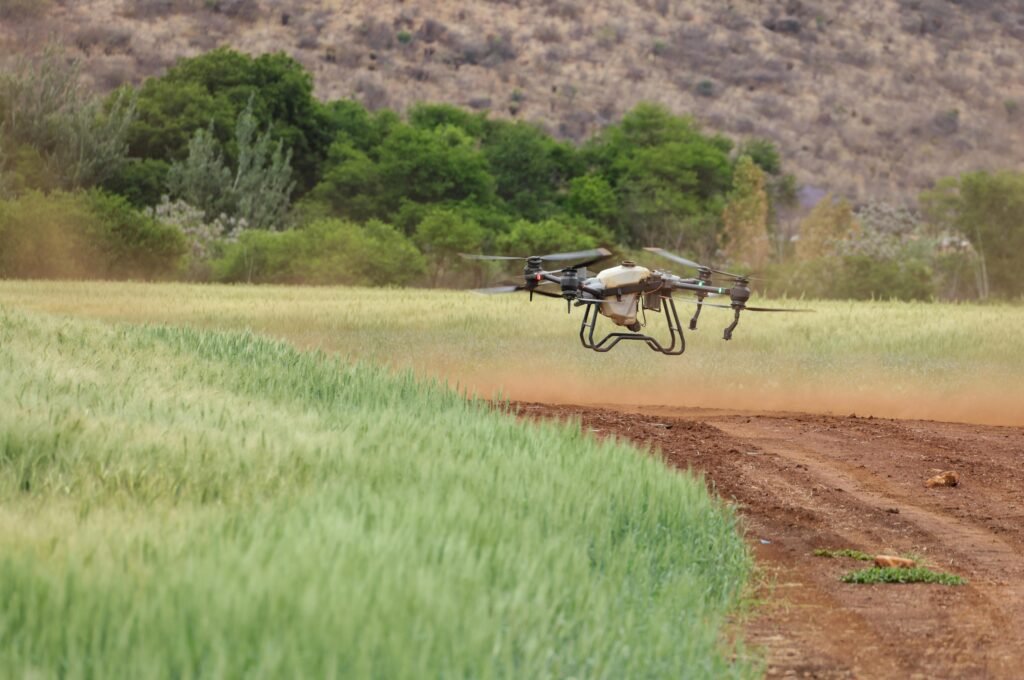
    Aerial drone surveying vast green agricultural fields in a rural landscape under a clear blue sky.
    Royalty free image, Pexels

    Artificial Intelligence is no longer a futuristic concept. As we move deeper into 2025, AI adoption is accelerating across industries worldwide. Businesses are integrating intelligent systems into their daily operations to improve efficiency, reduce costs, and support long-term sustainability goals.

    One of the most promising developments is the growing connection between AI technology and net zero emission targets. From precision farming to renewable energy optimization, AI is becoming a powerful tool for environmental progress.

    In particular, the agriculture and environmental sectors are seeing major transformation through smart automation and data-driven decision-making.


    Why AI Adoption Is Growing Rapidly in 2025

    The surge in AI adoption is largely driven by advancements in generative AI and machine learning tools. These technologies help organizations scale operations quickly while maintaining accuracy.

    In agriculture, AI tools are now used for:

    • Crop yield prediction
    • Soil health monitoring
    • Carbon tracking
    • Climate modeling
    • Farm resource optimization

    Farmers and agribusinesses can generate detailed analytics reports within minutes. What once required extensive manual effort can now be done with intelligent automation.

    Countries such as Singapore and the United Arab Emirates are leading in AI implementation. Their strong digital infrastructure, supportive government policies, and investment in localized AI models have accelerated adoption.

    This global momentum signals that AI is not just a trend but a structural shift in how industries operate.


    Key Challenges Slowing Widespread AI Implementation

    Despite rapid growth, AI adoption still faces practical challenges.

    1. Data Quality Issues

    AI systems depend heavily on accurate and structured data. In agriculture, poor sensor inputs or incomplete weather data can produce unreliable predictions. When the data foundation is weak, the results cannot be trusted.

    2. Integration with Legacy Systems

    Many farms still rely on traditional machinery and older software systems. Integrating modern AI tools with legacy infrastructure often slows implementation. This creates technical and financial barriers for small and medium-scale farmers.

    3. Ethical and Governance Concerns

    Bias in algorithms, intellectual property disputes, and data privacy risks require clear regulatory frameworks. Without transparent governance, AI deployment can create more problems than it solves.

    Developing regions also face a digital divide. While adoption is increasing in parts of Africa and other emerging markets, limited internet access and technical training restrict full participation in the AI ecosystem.


    How AI Supports Net Zero and Sustainability Goals

    The relationship between AI and sustainability is becoming stronger each year. Intelligent systems help organizations measure, manage, and reduce environmental impact more efficiently.

    AI supports net zero strategies by:

    • Optimizing solar-powered irrigation systems
    • Managing wind-integrated supply chains
    • Reducing fertilizer waste through precision farming
    • Tracking carbon emissions in real time

    In countries like India, the AI ecosystem is expanding rapidly. Local startups and technology providers are building practical AI tools designed specifically for agricultural needs. Partnerships between government bodies, agritech firms, and sustainability organizations are accelerating innovation.

    However, responsible adoption remains essential. AI governance frameworks must ensure equitable access, fair data usage, and compliance with emerging global regulations.


    Strategic Steps for AI Adoption in 2026

    Organizations planning to adopt AI in agriculture and sustainability should follow a structured approach.

    Start with Pilot Projects

    Begin with high-impact areas such as precision farming or drought forecasting. Small pilot programs allow businesses to test effectiveness before scaling.

    Customize AI Models

    Off-the-shelf AI tools are useful, but combining them with custom adjustments ensures better performance for specific regional needs.

    Invest in Ethical AI Training

    Training teams on responsible AI use builds trust and reduces regulatory risks. Ethical awareness is particularly important when handling environmental data and sustainability reporting.


    The Road Ahead

    AI adoption in 2025 marks a significant turning point for agriculture and environmental management. While challenges remain, the opportunities outweigh the risks when implementation is thoughtful and well-governed.

    As industries continue to align technology with sustainability goals, AI will play a central role in building efficient, resilient, and climate-conscious systems worldwide.

    The future of smart agriculture is not just digital. It is intelligent, data-driven, and sustainability-focused.

  • Sustainable Innovation as a Driver of Business Growth

    A glowing light bulb rests on a wooden table, symbolizing innovative ideas and sustainable energy solutions.
    Royalty free image via pexels.

    Sustainable innovation has become a powerful force for business growth while safeguarding the environment and supporting communities. Instead of relying on copied ideas or existing frameworks, companies can develop original strategies that deliver long-term value. By embedding sustainability into innovation, businesses strengthen resilience, improve trust, and unlock new growth opportunities.

    Modern organizations are discovering that responsible innovation is not a limitation. It is a competitive advantage that aligns profitability with environmental and social responsibility.

    Core Principles of Sustainable Innovation

    At its foundation, sustainable innovation brings together three essential pillars: environmental responsibility, social impact, and economic performance. Successful businesses aim to reduce waste, lower emissions, and shift toward renewable resources while maintaining ethical and fair practices across operations.

    This balanced approach ensures that growth does not come at the expense of natural resources or communities. Instead, it creates lasting value by aligning business success with long-term planetary health.

    Key Strategies for Sustainable Business Innovation

    Effective sustainable innovation begins with clearly defined goals. These goals should be connected to measurable outcomes such as reduced carbon emissions, improved energy efficiency, or lower material consumption.

    Sustainability targets must be integrated into core business functions from the earliest stages. This includes product design, sourcing decisions, manufacturing processes, and supply chain management.

    Building diverse teams is equally important. When technology experts, strategic planners, and ethics-focused professionals collaborate, businesses are more likely to develop innovative and responsible solutions.

    To ensure real impact, companies can rely on tools such as lifecycle assessments. These tools help measure environmental and social effects across a product’s entire lifespan, from raw materials to end use.

    Practical Steps Businesses Can Take

    Organizations can begin by redesigning products using environmentally friendly materials and reducing unnecessary packaging. These changes significantly lower environmental impact while meeting consumer demand for sustainable products.

    Strong supplier partnerships are another critical step. Transparent and ethical sourcing, combined with circular systems that reuse materials, helps create more resilient and responsible supply chains.

    A culture of innovation also plays a major role. Encouraging employee participation through idea-sharing platforms, innovation labs, and continuous learning initiatives helps sustainability become part of everyday decision-making.

    Success should be tracked using clear performance indicators. Metrics such as carbon footprint reduction, resource efficiency, and market adoption rates provide valuable insights into progress and impact.

    Real-World Approaches to Sustainable Innovation

    Many businesses are finding success by adopting circular economy models that prioritize recycling, reuse, and renewable inputs. Others use digital tools to increase supply chain transparency or develop products using plant-based and low-impact materials.

    These real-world approaches demonstrate how sustainability challenges can be transformed into opportunities for innovation, differentiation, and growth.

    How to Get Started with Sustainable Innovation

    Business leaders should begin by setting realistic and measurable sustainability targets. Investing in green technologies and fostering cross-functional collaboration creates a strong foundation for innovation.

    Staying adaptable is equally important. Emerging trends such as eco-design, digital optimization, and data-driven sustainability offer new ways to improve efficiency and reduce impact. By remaining flexible and forward-looking, companies can thrive in an increasingly resource-conscious global economy.

  • Pioneering Sustainability Through Innovation and Global Collaboration

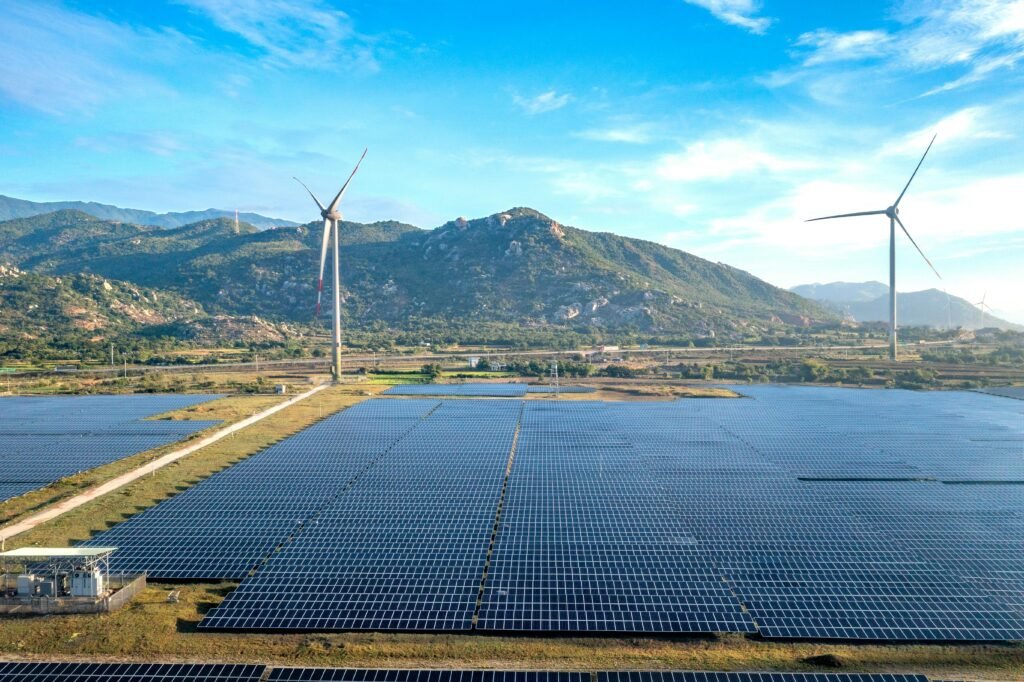
    A hyper-realistic aerial view captures wind turbines and solar panels spanning arid hills in Vietnam's Ninh Thuan province, a leading renewable energy hub.
​
    Royalty free image via pexels.

    Sustainability has moved beyond long term promises and policy statements. Companies, institutions, and communities across the world now drive measurable climate action through innovation and collaboration. Recent updates from Green Sustainability Magazine show how organizations actively reduce emissions, strengthen circular economies, and accelerate renewable energy adoption.

    These initiatives highlight a clear trend. Environmental responsibility and business growth can advance together when leaders invest in practical solutions.


    Industry Leaders Accelerating Sustainable Change

    The December 2025 edition highlights organizations that actively reshape sustainability across key industries.

    Kemvera leads the transition toward carbon negative chemical production by using bio based feedstocks and carbon dioxide derived processes. This model cuts emissions while delivering scalable alternatives to traditional chemicals.

    In agriculture, TIMAC AGRO Deutschland GmbH supports resilient farming through bio innovative tools that improve soil health and help farmers adapt to climate stress.

    FluoroFusion addresses emissions from cooling systems by advancing refrigerant recycling and materials innovation, which reduces high impact greenhouse gases.

    The edition also highlights global sustainable chemistry leadership from the American Chemical Society, low carbon energy development by Sizewell C, and low carbon engineering solutions from ANDRITZ. Forward looking architecture from RODE Architects further reinforces the role of design in climate resilience.


    Sustainable Innovation From Earlier Editions

    The October 2025 edition focused on progress in materials, manufacturing, and circular systems.

    Brenntag continues to improve greener chemical distribution through optimized logistics and responsible sourcing. At the same time, BEWI Group expands polystyrene recycling infrastructure across Europe.

    Manufacturers such as Midas Pattern Company now deliver carbon neutral polyurethane tooling without sacrificing performance.

    Additional contributions from Zest Associates, Thinking Adrenaline, Capsum, and MAJOR FLEX-MAT show how sustainability strategies can strengthen brand value.

    Circular economy leadership also comes from North American Mattress Upcycling, Whitefox Technologies, and Wind Harvest, all of which link environmental impact with commercial success.


    Global Events and Strategic Partnerships

    International collaboration continues to play a central role in climate progress.

    The European Congress on Climate Change and Environmental Sustainability, held on November 6–7, 2025 in Vienna, brings together experts to address carbon strategies, sustainable agriculture, resilient infrastructure, environmental justice, and climate focused technologies.

    Green Sustainability Magazine works with Better Planet Education to provide climate and biodiversity learning resources for young audiences.

    Community focused action also remains a priority. Support for Project Apis CIC in Norfolk strengthens pollinator protection while improving mental wellbeing and social inclusion through accessible beekeeping programs.

    The magazine also supports the 3rd World Congress on Recycling and Waste Management in Singapore from April 13–15, 2026, along with initiatives from The Rivers Trust, which leads river restoration through nature based solutions.


    Sustainability Progress Across Key Industries

    Major industries continue to integrate sustainability into core operations.

    The Mærsk Mc-Kinney Møller Center advances zero carbon shipping by developing green corridors, multi fuel modeling, and cross sector partnerships.

    Hunt’s Food Group achieved B Corp certification by investing in solar energy, optimizing delivery routes, and redistributing surplus food to reduce waste.

    Vermeer UK & Ireland expands its sustainable infrastructure portfolio through electric drilling equipment and low emission fleet transitions.

    Technology driven energy solutions from RJ Power integrate artificial intelligence monitoring and advanced battery systems.

    In hospitality, The Wellbeing Farm delivers certified B Corp events using off grid power and reusable decor. Meanwhile, Blooming Color transforms printing through on demand digital production and closed loop recycling.


    Energy and Agriculture Innovations Shaping the Future

    Transport, renewable energy, and industrial heating continue to evolve rapidly.

    Volvo Trucks targets net zero emissions by 2040 through electric urban trucks, hydrogen powered long haul vehicles, green steel adoption, biogas, and circular battery reuse.

    Eurowind Energy expands wind, solar, and green hydrogen projects across Southern Europe while strengthening local partnerships and digital optimization.

    In industrial heating, ACME Engineering Products leads electrode boiler deployment to support clean energy transitions, particularly in China and the Middle East.


    A Clear Path Forward for Global Sustainability

    These developments point to a shared global direction. Organizations now treat sustainability as a driver of innovation, resilience, and long term value. As these solutions scale, they strengthen both environmental protection and economic stability.