Author Archives: connect.vanshjain@gmail.com

Graphyte: Pioneering a Sustainable Way to Store Carbon Underground

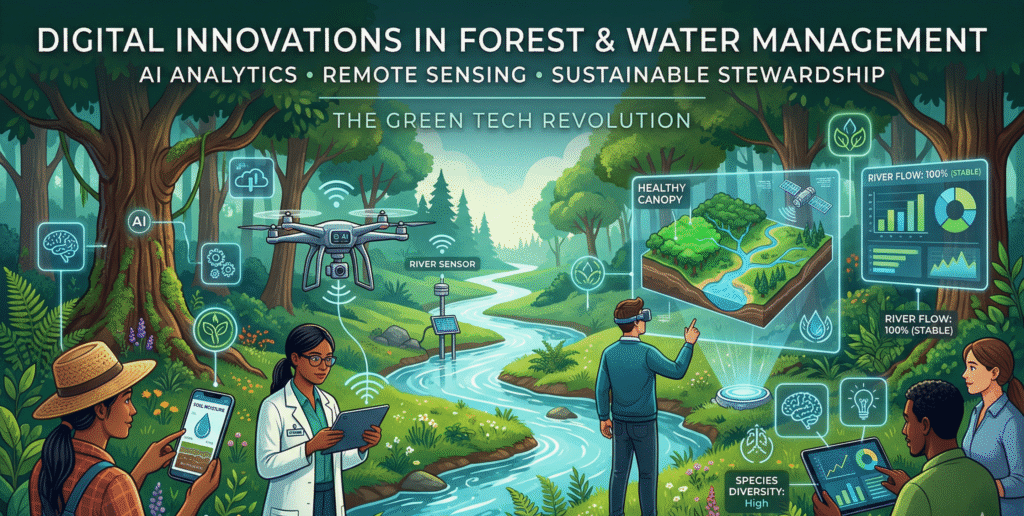
A sustainable landscape showing a healthy forest bordering a clear river, with small farms in the background and a diverse group of people planting trees, checking water flow, and inspecting a solar‑powered water pump, symbolizing integrated forest and water management for resilient agrifood systems.
generated by google gemini

Businesses and governments are searching for practical ways to remove carbon dioxide from the air. Graphyte, a U.S.-based company, offers a simple yet effective solution. Rather than relying on costly machines or chemical processes, it uses plant-based waste to store carbon underground for centuries.

Affordable and Scalable Carbon Removal

Graphyte uses biomass carbon removal and storage (BiCRS). Analysts in the mid-2020s recognized BiCRS as one of the most cost-effective ways to remove CO₂ permanently. By converting low-value wood and agricultural residues into dense blocks, the company locks carbon underground.

Unlike other carbon-capture methods that depend on electrochemicals or minerals, Graphyte’s process is straightforward and scalable. Additionally, it creates a market for biomass that would otherwise decompose or be burned, reducing waste and environmental risks.

How Carbon Casting Works

Graphyte’s core process is carbon casting, which involves three main steps:

  1. Collect Biomass: The company gathers harvest residues, small trees, and leftover branches from timber operations.
  2. Compress into Blocks: The material is dried and pressed into solid, dense blocks.
  3. Seal and Store Underground: Airtight blocks are buried underground, keeping carbon out of the atmosphere for centuries.

Because the carbon originally comes from plant photosynthesis, this method effectively prevents CO₂ from returning to the air. Moreover, the process uses existing biomass, avoiding energy-intensive alternatives.

Early Projects and Clients

Founded in February 2023 with backing from Breakthrough Energy Ventures, Graphyte quickly moved from lab experiments to real-world applications. Its first major initiative, the Loblolly Project in Pine Bluff, Arkansas, began construction in 2023 and started operating in early 2024.

The facility initially removes 15,000 metric tons of CO₂ per year, with plans to reach 50,000 tons by 2025. In addition, it uses local timber and agricultural by-products, turning them into carbon-rich blocks. This approach reduces carbon emissions and also lowers wildfire risks by utilizing low-value biomass.

Corporate and Consumer Access

Graphyte’s approach has attracted attention from industries seeking long-term carbon offsets. In November 2023, American Airlines signed a deal to purchase 10,000 tons of permanent carbon removal, marking Graphyte’s first commercial contract.

Later, in August 2024, the company launched an online platform for individuals and small businesses. Through this platform, anyone can purchase verified carbon-removal credits. Consequently, Graphyte expanded access beyond large corporations, encouraging broader climate participation.

Funding and Growth

Graphyte raised $30 million in a Series A funding round in July 2024. Prelude Ventures and Carbon Direct Capital led the round, joined by Breakthrough Energy Ventures and Overture.

The company uses the funds to scale current facilities, build new sites, and refine the carbon casting process for larger deployments. Ultimately, Graphyte aims to transform agricultural and timber waste into a reliable carbon storage source, helping industries meet net-zero goals.

Why Graphyte Matters

Graphyte operates at the intersection of agriculture, forestry, and carbon markets. By converting everyday biomass into a long-term carbon sink, it offers a low-cost, scalable alternative to high-tech carbon capture methods.

Companies seeking durable carbon removal can rely on Graphyte’s solution. Moreover, as voluntary carbon markets grow, Graphyte can help turn forests, farm fields, and waste streams into certified, permanent carbon-removal credits.

Top Sustainability Blogs to Follow for Practical Insights and Business Growth

Sustainability is no longer a niche topic. It has become a core priority for individuals and organizations that want to make responsible choices while staying future-ready. Whether you are trying to reduce your personal environmental impact or build a greener business, the right blogs can guide you with practical ideas and credible insights.

In this article, we explore some of the top sustainability blogs that consistently deliver value through actionable advice, industry knowledge, and the latest environmental trends.


Blogs for Everyday Sustainable Living

https://images.openai.com/static-rsc-4/fGLoochFh6PA53NgLB5cg6G_mVhP_4LBh_kONTZy0fL45RiecjlSHpWnHF0-ihPlwybtO_7W3KnlxTbH_QwrBQQKBD1Nf1Z2xbPzS6X2f6UOQRhg_8J-McJ1G34OPVaqtgD3L6bR6-uVcNzZytnnGB__ZzaRtgvGhFRlM_lA6FiG0SCVp9fgBonPD9-OZrK2?purpose=fullsize
https://images.openai.com/static-rsc-4/z4MReEh1llwq7bFz5Zza0mx7vfGdUBQl3O-9MTw43QUXYMA-fMzklBBtsnKGXv2k7U8qwXsGNZm564jKbnU0yNtxJ8c4HrOr6_WdI2XGc6jzOmZ3TWL13LPfCRB-3wzc9goG2Nayt2zBRrC6DkaVfV4ze0fA1rN2XAJr13YgX-0_HGQRtAGEeqeKJEPh89yN?purpose=fullsize
https://images.openai.com/static-rsc-4/iBZfjwksKjwuxWlfdQpyXtvZyypg5zVnykRdh_22gmDnOVY04zDjSJC5DmJdSwejj_WRjSLKMWWYD1gFseQnYUs5vU1cAyO8-0OYZdgvRUXDBlKa0aW2AC_6rVx8M9AmTpD__a941CWd7V9qCszx9pQbQTgjOJao-NJgDTNt62Hi4XJ774J10ckrNgQhzR0x?purpose=fullsize

6

Treehugger

When it comes to sustainable living, Treehugger has built a strong reputation over the years. Established more than two decades ago, it focuses on helping individuals make smarter everyday choices.

The blog offers practical advice on reducing waste, choosing environmentally friendly products, and understanding new green innovations. Its content is backed by research and data, which makes it reliable for readers who want both inspiration and accuracy.

Other Consumer-Focused Sustainability Blogs

Alongside Treehugger, many blogs focus on simplifying sustainability for everyday users. These platforms encourage small but meaningful actions such as:

  • Making conscious shopping decisions
  • Reducing energy consumption at home
  • Switching to reusable and low-impact products

The goal is to help readers gradually build habits that not only reduce their environmental footprint but also support long-term savings.


Sustainability Resources for Businesses

https://images.openai.com/static-rsc-4/EJEfYRLI9W4rMok_cyZvCJApa3D76QoIfnxdyu5fo6QtB42kMcyn7Cnk2ao47rWj9pQP5uibuY4bJYcZiesl6zCqX3f3WtMZ8oYxmxDSxI2Ni-sqxMSq13ntc2r0-g8ax0rqZNPs9OzS9p1K9TYEu2cFHdt7vhDTkKcvltvu3bqEDPUJSUDdcY1wJMr35TlC?purpose=fullsize
https://images.openai.com/static-rsc-4/K1hVafJ9uJ9b_4PlBwywIFIoCmXa08LR62YacD8qamdS1I4hDED-rEv-1tI4soTYXrRAdnvg8orYzg8R3n8zHwrlwbaURcdZe-4rxQ2ZDSEr5vVzgzFJD2lD_6Qp4RvFU3HgXNMutEPudzxaDxmpnyPmOW7uxnMnEdOT9qHRUT4dM1_qcCALC4KYUJ_BTjcP?purpose=fullsize
https://images.openai.com/static-rsc-4/vIMVa9-1PvKkAiiJB2PSvTCa4rWHmvxAs-qgOjp3gpMF50oDjVDLikY_BZXbtuVcMD5dUOXGphTnqfAEUWc6WL7MSbzoZvn3Q_EGEB_TyIYk1ma0EXkvaqhB_ut5zgafcgnvVMlXN-PxrBaOmpBFdQRhvIV-uXkZthvcHaBw4XFlylXxdLqqfnWpJf8-pLkk?purpose=fullsize

6

GreenBiz

GreenBiz is a go-to platform for professionals looking to understand sustainability in a corporate context. It provides detailed insights into topics such as supply chain responsibility, ESG strategies, and regulatory compliance.

The platform also features webinars, expert interviews, and reports that break down complex topics into practical knowledge. This makes it especially useful for decision-makers and sustainability managers.

Imvelo

Imvelo offers a more specialized approach by focusing on industry-specific sustainability challenges. Drawing from consultancy experience, the blog shares:

  • Regulatory guidance
  • Best practices across sectors
  • Real-world case studies

This makes it a valuable resource for businesses that want to move beyond theory and implement effective sustainability strategies.


Professional Sustainability News Platforms

https://images.openai.com/static-rsc-4/nM0ubA5lPixOXeLBp4JPHEvW1Pg-FYRdSdHcMujNpVqTddTsc_GSqVJJl-OHfW57_yxFTUaupOmZvGekH-jggG1dd2h7qTEI4NHwzrx9bd3_aaZWYMnwSkUNgxkN7ZYzTza9ecd0BbYpaJLazzM9BBwRTXII8GOMDCaZWo8ykf0do2pR_OJ_mDtB3Fe1lzEU?purpose=fullsize
https://images.openai.com/static-rsc-4/4aGG8l2y5HIMfuEl-3mk7LWFN_9THG23lvPNT4xDORl2VuCouEanLKdL85rnCajOSi1tjS_3UmplczyxcepUvIM1AVhsmLaMOrjPqGrDc59HXYuqwtfQyWnzuG2RcEcT0v0EBgtSJ2JYUNlT0wVxEoUOcTU-UGQzFOqARQ39gE1YZIOTc1pHax0aUzIYFzoC?purpose=fullsize
https://images.openai.com/static-rsc-4/yBWTtyyL52SQSINtCdyNVBNj9EBy5kSn6rVKWa6_UP5m9ESveDH_jN-aPdCMEcbAjRT1EmmG1Q8b1IGHJ7y_txB0vqfariIXmTAMz2iwoxdAdfsU87mJ7T3wQyPm_6eHjhn56ZaZZT-CcY4nPejFPAuMlM0tCcMcZIfGGQjL6T5iIKM1keeOlz5xDFDyfM23?purpose=fullsize

6

Business Green

Business Green is widely known for its coverage of sustainable business developments. It provides curated news, expert opinions, and in-depth research on critical topics such as net zero targets and clean technology.

While some of its premium content requires a subscription, the insights offered are valuable for professionals who need a deeper understanding of market trends and policy changes.


Why These Blogs Matter

Staying informed is the first step toward meaningful change. These sustainability blogs serve different audiences but share a common purpose: making sustainability accessible and actionable.

  • Individuals can learn how to adopt eco-friendly habits in daily life
  • Businesses can find guidance on integrating sustainability into operations
  • Professionals can stay updated on industry trends and policy developments

By regularly following these platforms, you can stay ahead of the curve and contribute to a more sustainable future.

Revolutionizing Sustainability Through Bold Innovation

Young woman smiling confidently while holding a small windmill model, representing hands-on renewable energy innovation and youth-led sustainable technology.
Royalty free image via pexels.

Sustainability is no longer just about reducing harm. It is about reimagining how systems work from the ground up. Today, innovation is playing a central role in building a future where environmental health, social well-being, and economic growth can coexist.

Young innovators, in particular, are driving this transformation. With fresh perspectives and fewer limitations, they are designing solutions that restore ecosystems, strengthen communities, and create long-term value.

What Is Sustainable Innovation

Sustainable innovation focuses on redesigning how we use resources, produce goods, and consume services. It aims to align human activity with the limits of the planet while ensuring fairness and economic stability.

Instead of making small improvements, this approach challenges existing systems. It asks a fundamental question: should the current model exist at all?

For example, rather than improving efficiency in traditional manufacturing, sustainable innovation promotes circular systems where materials are reused, waste is minimized, and ecosystems are supported rather than depleted.

Key Types of Sustainable Innovation

Sustainable innovation can take different forms, each contributing to long-term impact in its own way.

1. Product Innovation

This focuses on creating eco-friendly products or services. Examples include apps that reduce food waste or sustainable packaging alternatives. These innovations influence consumer behavior and encourage responsible choices.

2. Process Innovation

Process improvements aim to make production more efficient and less harmful. This could involve using renewable inputs, reducing emissions, or minimizing waste during manufacturing.

3. Technological Innovation

Advanced technologies help scale sustainability solutions. Renewable energy systems, smart grids, and energy storage technologies are examples that enable widespread impact.

4. Organizational Innovation

This involves changing how businesses operate internally. Companies adopt circular models, sustainable supply chains, and ethical practices that reshape their overall structure.

5. Market Innovation

Market-based solutions redefine value systems. Repair services, sharing economies, and carbon pricing models shift how businesses and consumers interact economically.

When these approaches are combined, their impact becomes even stronger. For instance, electric vehicles become more effective when supported by clean energy infrastructure and updated market systems.

Characteristics of Successful Sustainable Innovation

Not all innovation leads to meaningful sustainability. Successful solutions share a few important traits:

  • They focus on long-term impact rather than short-term gains
  • They address root causes instead of surface-level problems
  • They respect planetary boundaries and resource limits
  • They create value for multiple stakeholders, including communities and ecosystems

Scalability is also critical. A solution must grow without causing unintended harm elsewhere. Early evaluation helps ensure that ideas are practical, inclusive, and effective.

The Role of Youth and Diverse Teams

Young innovators bring creativity and a willingness to challenge outdated systems. They are more open to experimentation and cross-disciplinary thinking, which is essential for solving complex sustainability challenges.

Diverse teams further strengthen innovation. When people from different backgrounds collaborate, they bring unique insights into cultural, economic, and environmental factors. This helps identify hidden challenges and develop solutions that work across regions.

Collaboration across borders also improves adoption. Local knowledge ensures that solutions are practical and accepted by communities.

Challenges in Sustainable Innovation

Despite its potential, sustainable innovation faces several barriers:

Limited Funding

Many sustainable projects require long-term investment, which can be difficult to secure. Combining grants, public funding, and private investment can help bridge this gap.

Lack of Collaboration

Different sectors often have conflicting priorities. Building strong partnerships between governments, businesses, and communities is essential.

Resistance to Change

Established systems can be difficult to shift. Engaging stakeholders early helps reduce resistance and build trust.

Adoption Barriers

Solutions sometimes fail because they do not fit local needs. Co-creating with communities ensures better usability and acceptance.

Addressing these challenges early allows innovators to adapt quickly and increase their chances of success.

Why Action Is Needed Now

The need for sustainable innovation has never been greater. Climate challenges, resource scarcity, and social inequalities demand bold and immediate action.

Initiatives like the Mars Challenge are empowering young people to think systemically and develop regenerative solutions. These platforms provide the tools, mentorship, and global networks needed to turn ideas into real-world impact.

Final Thoughts

Sustainable innovation is not just a trend. It is a necessary shift in how we design systems for the future. By focusing on regeneration, collaboration, and scalability, innovators can create solutions that benefit both people and the planet.

The next wave of change will be led by those willing to rethink the status quo. Now is the time to act, experiment, and build a more sustainable world.

Tackling Australia’s Lithium Battery Waste Crisis

Australia is stepping up its response to a rapidly growing environmental challenge. With the rise of electric vehicles, renewable energy storage, and consumer electronics, lithium-ion battery use has surged. Now, researchers across the country are receiving significant funding to develop advanced recycling solutions that can manage this wave of battery waste in a sustainable way.


The Rising Challenge of Battery Waste

Lithium-ion batteries have become essential to modern life. They power everything from electric cars to solar energy storage systems. However, their relatively short lifespan means they quickly turn into waste once they reach the end of their use.

Australia is expected to generate nearly 180,000 tonnes of battery waste every year by 2036. This creates serious environmental concerns if not handled properly.

When disposed of incorrectly, these batteries can leak harmful chemicals into soil and water. At the same time, extracting fresh lithium and other metals puts pressure on natural resources and ecosystems. Recycling offers a practical solution by recovering valuable materials such as lithium, cobalt, and nickel, reducing the need for new mining.


Major Recycling Projects Driving Change

To address this issue, several research institutions and companies are working on innovative recycling technologies with the help of government funding.

At Griffith University, Dr. Zhenzhen Wu is leading a project supported by a 280,000 dollar AEA Seed Grant. The focus is on improving battery recycling technologies in collaboration with ENVIROforce.

The University of New South Wales is also playing a key role. A team led by Professor Guan Yeoh has received 2.7 million dollars to develop a micro-isolation process for extracting valuable materials from what is known as black mass. This project is being carried out in partnership with Oxleigh.

Another major initiative involves the Oxleigh CRC-P project, which has secured 2.75 million dollars to build local, sustainable recycling capabilities. This effort brings together UNSW and Envirostream to strengthen Australia’s recycling infrastructure.

Livium has also received 850,000 dollars in funding from the Western Australian Government. The company is developing a collection and sorting facility to improve how used batteries are handled and processed.

Together, these projects are helping scale up safe and efficient methods to process shredded battery materials.


Sustainability and Economic Benefits

Battery recycling is not only an environmental necessity but also an economic opportunity. By recovering critical materials, Australia can reduce its reliance on imported resources and strengthen its supply chain.

New facilities are already creating jobs in the green economy. For example, a recycling plant in Newcastle is expected to handle around 2,000 tonnes of battery waste each year while generating approximately 20 new jobs.

Advanced sorting technologies are also making a difference. They can increase material recovery rates by up to 30 percent, making recycling more efficient and cost-effective. This supports the development of a circular economy, where resources are reused instead of discarded.


The Road Ahead

Collaboration between researchers, industry leaders, and policymakers is key to solving the battery waste problem. Continued investment in technologies such as membrane separation and chemical processing will help bring these solutions to a commercial scale.

Government support through grants and funding programs is accelerating progress. With these efforts, Australia is positioning itself as a global leader in sustainable battery recycling.


Conclusion

Australia’s approach to lithium-ion battery waste shows how innovation and collaboration can tackle complex environmental challenges. As battery use continues to grow, developing efficient recycling systems will be critical for protecting the environment and ensuring long-term resource security.

India’s Green Technology Startups in 2026: Driving Practical Climate Solutions

Photorealistic illustration of young Indian innovators collaborating on holographic displays showing solar-powered farms, EV charging stations, wind turbines, and carbon tracking tools against a backdrop of green fields and Indian landmarks.
generated by google gemini

India’s green technology ecosystem is entering a strong growth phase in 2026. A new wave of startups is delivering real, scalable solutions across renewable energy, sustainable agriculture, and carbon management. These companies are not only solving local environmental challenges but also contributing to global climate goals.

With rising policy support and investor interest, green innovation is no longer a niche space. It is becoming a key pillar of India’s economic and environmental strategy.


Key Growth Areas in Green Technology

Renewable Energy for Everyday Use

Startups are making clean energy more accessible, especially in rural and industrial sectors. Solar-powered systems are now widely used for irrigation, storage, and small-scale operations. This shift helps reduce dependence on fossil fuels while lowering operational costs.

Sustainable Mobility Solutions

Electric mobility is gaining traction, particularly in urban transport. Companies are working on faster and more efficient charging infrastructure. This is essential for commercial fleets that depend on minimal downtime to stay profitable.

Smart Carbon Management

Businesses are under increasing pressure to measure and reduce emissions. New digital platforms are helping companies track their carbon footprint and create realistic plans to achieve net zero targets. These tools simplify complex data and improve decision making.


Top Indian Green Tech Startups to Watch

Several startups are leading innovation with practical and impactful solutions.

KarbonWise

Focuses on carbon accounting. Its platform combines greenhouse gas reporting with scenario modeling, helping companies plan and achieve net zero goals more effectively.

Ecozen

Works in solar-powered agriculture. It provides solutions like solar irrigation and cold storage systems powered by artificial intelligence, improving efficiency for farmers.

Recykal

Operates in waste management. Its digital platform connects waste generators with recyclers, supporting a circular economy and improving resource recovery.

Exponent Energy

Specializes in electric vehicle charging. It has developed a rapid charging ecosystem that significantly reduces charging time for commercial transport vehicles.

Hygenco

Focuses on green hydrogen production. It enables onsite hydrogen generation for industries that are difficult to decarbonize using conventional methods.

Stellapps

Brings technology to the dairy sector. Its data-driven tools improve milk traceability and farm productivity, ensuring better quality and transparency.

Grene Robotics

Works on smart energy grids. It uses IoT-based automation to improve the reliability and integration of renewable energy sources.


Future Outlook for Green Startups in India

The future of green technology in India looks promising. Many startups are moving beyond pilot projects and expanding into large-scale deployment. This growth is supported by favorable government policies, increased funding, and a growing awareness of sustainability.

Consumer behavior is also shifting. Younger generations are more conscious about environmental impact, which is driving demand for eco-friendly products and services.

As innovation continues to accelerate, India’s green tech startups are set to play a crucial role in building a more sustainable and resilient economy.

Top Corporate Sustainability Trends to Watch in 2026

Professional woman presenting corporate sustainability trends in modern office meeting.
Royalty free image via pexels.

Corporate sustainability is no longer about making ambitious promises. In 2026, it is about delivering measurable outcomes. Investors, regulators, and customers are increasingly expecting companies to demonstrate real progress, especially in areas such as emissions reduction, climate risk management, and transparent reporting.

Organizations that focus on practical implementation rather than just strategy are emerging as leaders in this evolving landscape.


Changing Global Sustainability Reporting Standards

Sustainability reporting is undergoing significant transformation across the globe. In Europe, frameworks like the Corporate Sustainability Reporting Directive are being refined to make compliance more practical for businesses. However, expectations for reliable and high-quality ESG data continue to grow.

At the same time, Asian markets are taking a strong lead. Countries such as China and Singapore are introducing mandatory ESG disclosure requirements starting in 2026. These regulations will not only impact domestic companies but also global supply chains connected to these markets.

In addition, carbon border taxes from regions like the European Union and the United Kingdom are increasing pressure on exporters. Businesses must now improve their data accuracy and transparency, regardless of local regulatory requirements.


Renewable Energy Becomes a Cost Advantage

Renewable energy is no longer just an environmental choice. It has become a strong financial decision. Sources like solar and wind energy are now leading new power installations due to their declining costs.

Corporate renewable energy agreements have reached record levels in recent years, showing a clear shift toward clean energy adoption. Companies are also exploring demand flexibility strategies, which allow them to reduce energy usage during peak times and even generate revenue through grid participation programs.

Improving energy efficiency in buildings and industrial processes remains one of the fastest ways to reduce both costs and emissions.


Rising Importance of Nature and Biodiversity Risks

Businesses are starting to recognize that environmental risks go beyond carbon emissions. Biodiversity loss and land use changes are becoming central to corporate strategy.

Frameworks such as the Taskforce on Nature-related Financial Disclosures are helping organizations identify and manage financial risks linked to nature degradation. Industries that rely heavily on land and natural resources must adopt targeted approaches, including insetting and ecosystem restoration investments.

Investors are increasingly viewing nature-related risks as direct threats to long-term value, which is encouraging companies to act early.


Climate Risks Directly Impact Financial Performance

Climate change is no longer a distant concern. Physical risks such as floods, extreme heat, and storms are already disrupting operations and increasing costs for many businesses.

At the same time, policy changes and the transition to a low-carbon economy are creating new financial uncertainties. Companies that integrate climate scenario planning into their financial strategies and investment decisions are better positioned to manage these challenges.


Growing Focus on Climate Adaptation

Adaptation is becoming just as important as mitigation. Industries like agriculture, manufacturing, and energy are investing in resilience measures to protect their operations and profitability.

Examples include improved water management systems, climate-resilient infrastructure, and early warning technologies. These initiatives often provide immediate benefits by reducing operational risks and improving efficiency.


Smarter and More Reliable Carbon Markets

Carbon markets are evolving rapidly, with a stronger focus on quality and transparency. Businesses are securing long-term agreements for high-quality carbon credits and using advanced technologies for verification and tracking.

As standards for net-zero commitments become stricter, companies are planning to increase their use of carbon markets by 2030. This approach helps manage risks and strengthen supply chain resilience.


Artificial Intelligence Enhances Sustainability Efforts

Artificial intelligence is playing a growing role in sustainability management. AI tools can automate data collection, validation, and analysis, allowing sustainability teams to focus more on strategic decision-making.

However, companies are also mindful of the energy consumption associated with AI systems. Leading organizations are balancing technology adoption with responsible usage and human oversight to maintain credibility.


Stronger Supply Chain Collaboration

Addressing Scope 3 emissions requires close collaboration with suppliers. Companies are moving beyond basic compliance and building long-term partnerships that include shared tools, data systems, and financial support for sustainability initiatives.

Successful organizations understand that meaningful change comes from continuous collaboration rather than isolated efforts.


Action-Oriented Leadership Will Define Success

In 2026, the companies that stand out will be those that can adapt quickly to changing regulations, manage complex risks, and align stakeholder expectations effectively.

Sustainability leadership is no longer defined by ambition alone. It is defined by action, execution, and the ability to deliver real impact.

Samsung’s New Eco-Friendly Display: A Step Toward Sustainable Electronics

Hyper-realistic Samsung 13-inch Color E-Paper display with phytoplankton bio-resin housing on sustainable retail shelf, showcasing eco-friendly digital signage innovation for agriculture and green tech.
generated by google gemini

Introduction

Sustainability is no longer just a trend in the tech industry. It is becoming a core priority. Samsung Electronics has taken a meaningful step in this direction by launching an innovative 13-inch color e-paper display made using bio-resin derived from phytoplankton. This development not only reduces environmental impact but also maintains high performance standards.

Designed primarily for business signage, this display reflects how technology can evolve while being mindful of the planet.


A Smarter Choice of Materials

One of the most impressive aspects of this display is its material composition. The outer body is made using 45 percent recycled plastic combined with 10 percent bio-resin sourced from phytoplankton. This eco-friendly combination has been verified through UL certification, ensuring its credibility and safety standards.

By replacing a portion of traditional petroleum-based plastics, Samsung has managed to reduce manufacturing carbon emissions by more than 40 percent. The phytoplankton-based resin offers durability and flexibility similar to conventional plastic, while also relying on renewable resources. When processed under the right conditions, it can even support biodegradability.

This shift shows how alternative materials can play a crucial role in reducing the environmental footprint of electronics.


Energy Efficiency That Makes a Difference

Beyond sustainable materials, the display also stands out for its energy-saving capabilities. The Color E-Paper, known as the EM13DX model, uses advanced digital ink technology that consumes extremely low power.

One of its most notable features is the ability to display static content without using any power at all. This makes it an excellent replacement for traditional printed signage, especially in commercial environments.

Businesses can easily control and update the display remotely using the Samsung E-Paper App or the VXT platform. Its slim and lightweight design, along with battery support, allows for flexible installation without the need for a constant power supply.


Supporting Broader Sustainability Goals

Samsung has extended its sustainability efforts beyond just the product itself. The packaging for this display is completely paper-based, reducing plastic waste even further.

While the current focus is on business signage, the potential applications of this technology are much wider. It could eventually be integrated into consumer devices, helping reduce reliance on fossil fuel-based plastics across the electronics industry.

Such innovations align with global sustainability efforts by promoting cleaner production methods and reducing pollution caused by traditional materials.


What This Means for the Future

As the production of bio-resin becomes more advanced and scalable, we can expect to see its use expand across various industries. Samsung’s initiative highlights how natural materials like phytoplankton can reshape the future of electronics manufacturing.

This move positions the company as a leader in green innovation, especially in areas like digital signage and e-readers. More importantly, it sets an example for other companies to follow in creating technology that is both efficient and environmentally responsible.


Conclusion

Samsung’s new e-paper display is more than just a product launch. It represents a shift toward responsible innovation. By combining sustainable materials with energy-efficient technology, the company is proving that environmental responsibility and performance can go hand in hand.

As industries continue to explore greener alternatives, developments like this bring us closer to a more sustainable future.

Soil Carbon Measurement Technology Is Transforming Regenerative Agriculture

Farmer using portable laser scanner to measure soil carbon in lush regenerative field at sunset, with holographic data visualization overlays.
generated by google gemini

Introduction

Understanding how much carbon is stored in soil has become one of the most important challenges in modern agriculture. Soil plays a major role in reducing greenhouse gases, yet measuring soil carbon has traditionally been slow, expensive, and dependent on laboratory testing.

A new innovation from the Finnish company Cense Analytics is changing that process. Their portable laser-based device allows farmers and agricultural companies to measure soil organic carbon directly in the field with accuracy comparable to laboratory results. This breakthrough technology provides quick and affordable data that supports regenerative agriculture and helps tackle climate change.

Why Soil Carbon Matters in Agriculture

Soil is not just a medium for growing crops. It also acts as a natural storage system for carbon. When soil contains higher levels of organic carbon, it becomes healthier, more fertile, and better able to support plant growth.

Regenerative agriculture focuses on restoring soil health while improving farm productivity. Practices such as cover cropping, reduced tillage, and crop rotation help capture carbon from the atmosphere and store it in the soil.

However, verifying how much carbon is actually stored has always been difficult. Farmers and organizations often need reliable data to prove that these practices are working.

The Challenge With Traditional Soil Testing

Until recently, measuring soil carbon required a long and expensive process. Farmers had to collect soil samples and send them to laboratories for analysis. The results could take weeks to arrive and the testing costs were often too high for frequent monitoring.

This system created a barrier for farmers who wanted to adopt regenerative practices but needed proof of their environmental impact. Without fast and affordable testing, tracking soil carbon at scale remained a challenge.

A New On-Site Soil Carbon Measurement Tool

Cense Analytics has introduced a laser-based measurement device that can analyze soil organic carbon directly in the field. The tool uses advanced photonics technology to deliver precise measurements without the need for laboratory testing.

Farmers can now obtain accurate data about carbon storage and carbon dioxide emissions within minutes. This makes soil monitoring much easier and more practical for everyday agricultural use.

By removing the need for shipping samples and waiting for lab reports, the technology significantly reduces both time and cost.

From University Research to a Commercial Innovation

The technology behind this device was originally developed at Tampere University in Finland. Researchers were working with photonics tools designed to detect chemicals in mine water.

Around 2019, the research team recognized that the same technology could be adapted for agricultural use. With support from grants and collaborative projects such as the Carbon Action Project led by the Baltic Sea Action Group, the research moved toward real-world applications.

In 2024, the spin-off company Cense Analytics was officially launched. The company was founded by researchers Juha Toivonen and Jan Viljanen, who brought the technology from the laboratory to the agricultural market.

Today, the company is already working with major organizations in the food and agriculture sector, including Nestlé and Valio.

Real-World Benefits for Farmers and Companies

The new soil carbon measurement technology offers several practical benefits for agriculture and sustainability efforts.

Faster Carbon Monitoring

Farmers can measure soil carbon instantly in the field instead of waiting for lab analysis. This allows more frequent monitoring and better decision making.

Support for Carbon Credit Programs

Accurate soil carbon data helps farmers participate in carbon credit markets. Verified measurements make it easier to prove carbon sequestration and earn environmental incentives.

Reduced Costs

By eliminating laboratory testing and sample transportation, the technology significantly lowers the cost of soil carbon analysis.

Improved Soil Health and Productivity

Better monitoring encourages farming practices that restore soil health. Healthier soil improves crop yields, water retention, and resilience against climate stress.

A Major Step Forward for Carbon Farming

Experts believe that reliable soil carbon measurement is essential for scaling carbon farming worldwide. Governments, food companies, and environmental organizations increasingly require verified data to support climate commitments.

By making soil carbon data accessible and affordable, this technology could accelerate the adoption of regenerative agriculture on a global scale. It allows farmers to clearly see the environmental impact of their practices while helping companies verify sustainability claims.

Company Snapshot

AspectDetails
FoundersJuha Toivonen, Jan Viljanen, Tuomas Siltala
TeamAround 10 employees, mostly alumni from Tampere University
LocationRusko Industrial District, Tampere, Finland
FundingSupport from Tiina and Antti Herlin Foundation, Research Council of Finland and other programs between 2019 and 2023

Conclusion

The ability to measure soil carbon quickly and accurately is becoming a critical tool in the fight against climate change. Innovations like the laser-based soil carbon analyzer developed by Cense Analytics are making this process simpler and more accessible for farmers.

As regenerative agriculture continues to grow, technologies that provide reliable environmental data will play an important role in building a more sustainable food system. By giving farmers practical tools to track soil health, this breakthrough could help unlock the full potential of carbon farming around the world.

Climate Tech in 2026: From Promises to Practical Action

Close-up of a white light bulb emerging from brown soil, symbolizing innovative climate tech ideas taking root in sustainable agriculture for 2026 trends.
Royalty free image via pexels.

Climate technology is entering 2026 with a much stronger focus on real implementation rather than ambitious promises. Over the past few years, many climate innovations attracted significant attention and funding. Now the landscape is changing. Investors, governments, and companies want solutions that deliver measurable results in energy efficiency and sustainability.

As the global climate challenge intensifies, the industry is shifting toward technologies that can be deployed at scale and produce clear environmental impact.

The Forces Driving Climate Tech Transformation

Several major factors are shaping the direction of climate technology in 2026.

One of the most important changes is greater financial discipline. Investors are becoming more cautious and are prioritizing technologies that have already demonstrated strong performance and reliability. Projects that cannot prove their effectiveness are finding it harder to secure funding.

Regulatory pressure is also increasing across many regions. Governments are introducing stricter policies to reduce greenhouse gas emissions and encourage climate resilience. As a result, companies are being pushed to adopt solutions that can scale quickly and support long term environmental goals.

Another major catalyst is artificial intelligence. AI is playing an increasingly important role in optimizing energy systems. It helps utilities balance power demand, improve renewable energy integration, and predict climate related risks more accurately.

Despite policy uncertainties in some markets, clean energy investments continue to grow. Solar power, wind energy, and advanced energy storage systems are receiving strong support as countries move toward more sustainable energy systems.

Emerging Innovations Shaping the Climate Tech Landscape

Several technological breakthroughs are gaining momentum and could reshape the climate technology sector.

One notable development is the progress in sodium ion batteries. These batteries offer a promising alternative to lithium based systems. Since lithium supply chains face constraints, sodium ion technology could provide a more accessible and cost effective option for electric vehicles and grid level energy storage.

Another important advancement is in next generation nuclear reactors. Many countries are beginning to approve new reactor designs that are safer, smaller, and more efficient. These reactors could play a critical role in delivering reliable clean power while supporting global decarbonization goals.

Water management technologies are also evolving rapidly. Smart monitoring systems and digital tools are helping industries manage water resources more efficiently and reduce waste.

At the same time, hyperscale data centers are adopting innovative cooling and energy optimization technologies. These improvements aim to reduce the environmental footprint of rapidly expanding digital infrastructure.

Looking further ahead, fusion energy and plant cell cultivation technologies are progressing toward commercial viability. While still developing, both fields hold strong potential for transforming energy production and sustainable food systems.

Business Collaboration and Global Impact

The climate tech ecosystem is becoming increasingly collaborative. Large corporations, startups, and research institutions are forming partnerships to accelerate innovation and bring new technologies to market.

These partnerships help reduce costs, improve scalability, and speed up deployment across industries.

For emerging economies such as India, climate technology presents a major opportunity. Investments in smart grids, renewable infrastructure, and resilient urban systems can support economic growth while also strengthening environmental sustainability.

As infrastructure expands, these technologies can help countries balance development with climate responsibility.

The Road Ahead for Climate Technology

The next phase of climate technology will be defined by execution and measurable impact. The focus is no longer just on innovative ideas but on solutions that can be implemented effectively.

Advances in artificial intelligence, materials science, and energy infrastructure will continue to shape the sector. Companies that prioritize transparency, measurable outcomes, and scalable solutions are more likely to lead the global transition toward a low carbon future.

Climate tech in 2026 is not just about innovation. It is about turning innovation into real world progress that supports a sustainable and resilient planet.

Today, advanced technologies such as artificial intelligence, biotechnology, and digital management systems are helping organizations reach their sustainability goals faster and more efficiently. By integrating these tools into daily operations, companies are improving transparency, optimizing resources, and building long term sustainable strategies.

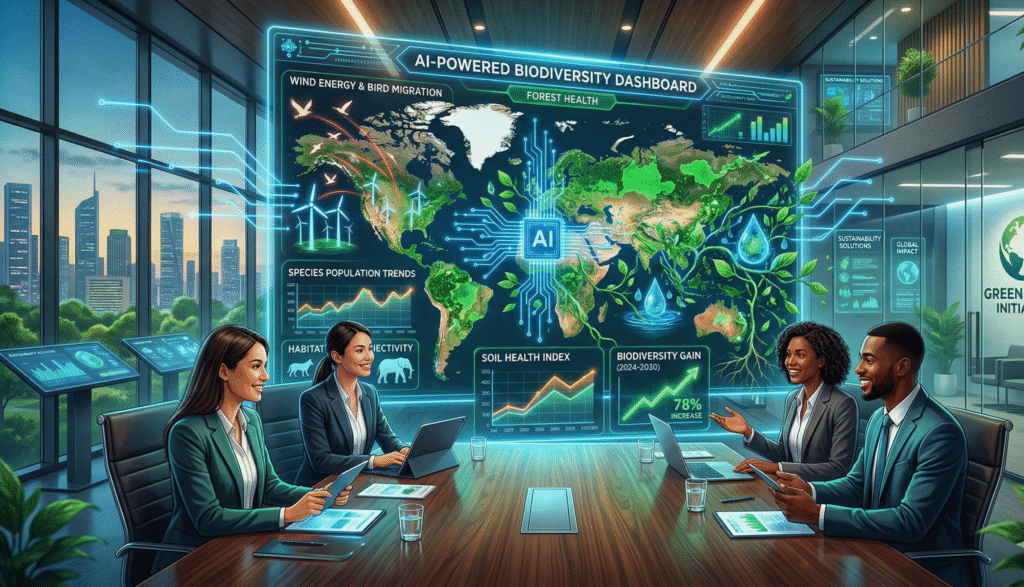
Diverse executives collaborate in a modern boardroom, using holographic AI dashboards that display green performance metrics and insights related to technology in sustainability. The workspace is surrounded by vertical gardens and large windows overlooking a city with wind turbines, highlighting how modern businesses combine innovation, digital tools, and environmental responsibility to drive sustainable corporate strategies.
generated by google gemini

The Growing Role of Technology in Sustainability

Technology is playing a crucial role in helping businesses understand and manage their environmental impact. Tools powered by artificial intelligence can analyze large amounts of data and provide insights that help companies reduce waste, manage energy consumption, and improve operational efficiency.

For example, many organizations are now using smart digital platforms to monitor their supply chains and track carbon emissions. These tools make it easier to identify areas where improvements are needed. As a result, companies can take action quickly and make informed decisions that support sustainability goals.

Biotechnology is also contributing to this transformation. It is enabling industries to develop more eco friendly materials, improve production methods, and reduce environmental damage. When used together with digital systems, these technologies create powerful solutions for sustainable growth.

Collaboration is Key to Sustainable Innovation

While technology provides the tools, collaboration is what truly drives meaningful change. Sustainability challenges are complex, and solving them often requires ideas and expertise from multiple industries.

Communities like the Chief Sustainability Leaders network bring together executives from different sectors to share knowledge and strategies. With members from dozens of industries and countries, these groups create a space where leaders can learn from each other and explore new approaches to sustainability.

Through collaboration, companies are discovering better ways to improve supply chain transparency, reduce waste, and introduce innovative solutions that benefit both businesses and the environment.

How Companies Are Building Sustainable Innovation

For sustainability efforts to succeed, companies must combine technology with creative thinking and strong leadership. Organizations that treat sustainability as a core part of their strategy often achieve better results.

Many companies continuously test new approaches, work with external partners, and invest in research to refine their sustainability practices. This process allows them to stay flexible and adapt to new environmental challenges.

Instead of viewing sustainability as a separate initiative, forward thinking businesses are integrating it into their long term growth strategies. This mindset turns responsible practices into a competitive advantage.

The Future of Sustainable Business

As technology continues to evolve, its role in sustainability will only grow stronger. Advanced data systems, automation, and scientific innovation will provide companies with new ways to reduce their environmental footprint.

Businesses that embrace these tools and collaborate with others will be better positioned to create lasting positive impact. In the coming years, sustainability will not only define responsible companies but also shape the future of global industries.