Tag Archives: renewable energy

12 Climate Tech Startups Leading the Net Zero Future in 2026

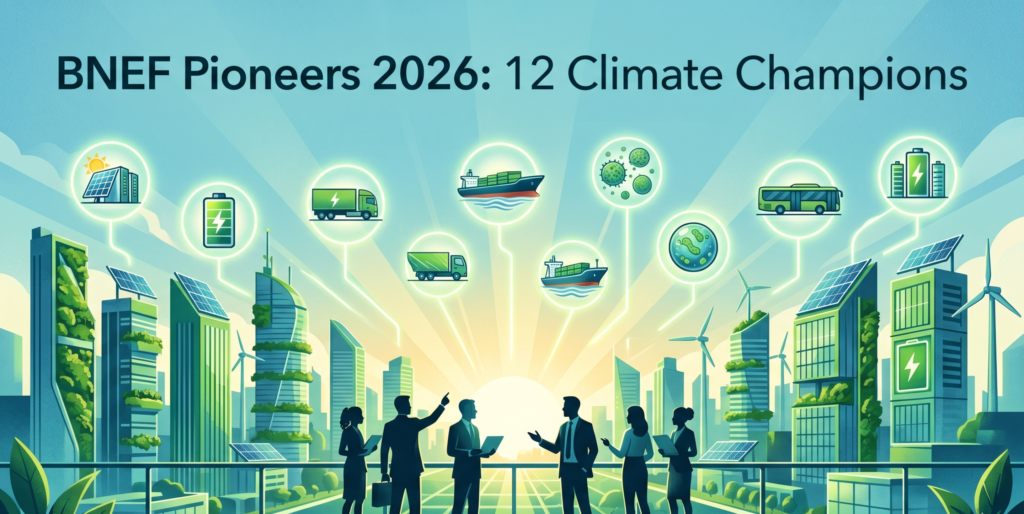
Vibrant illustration of a futuristic eco-city at dawn, featuring 12 glowing icons for BNEF Pioneers 2026 winners: solar data centers, batteries, electric trucks, ships, carbon capture orbs, and buses amid green skyscrapers, with golden sunlight and text "BNEF Pioneers 2026: 12 Climate Champions" overlay.
generated by google gemini

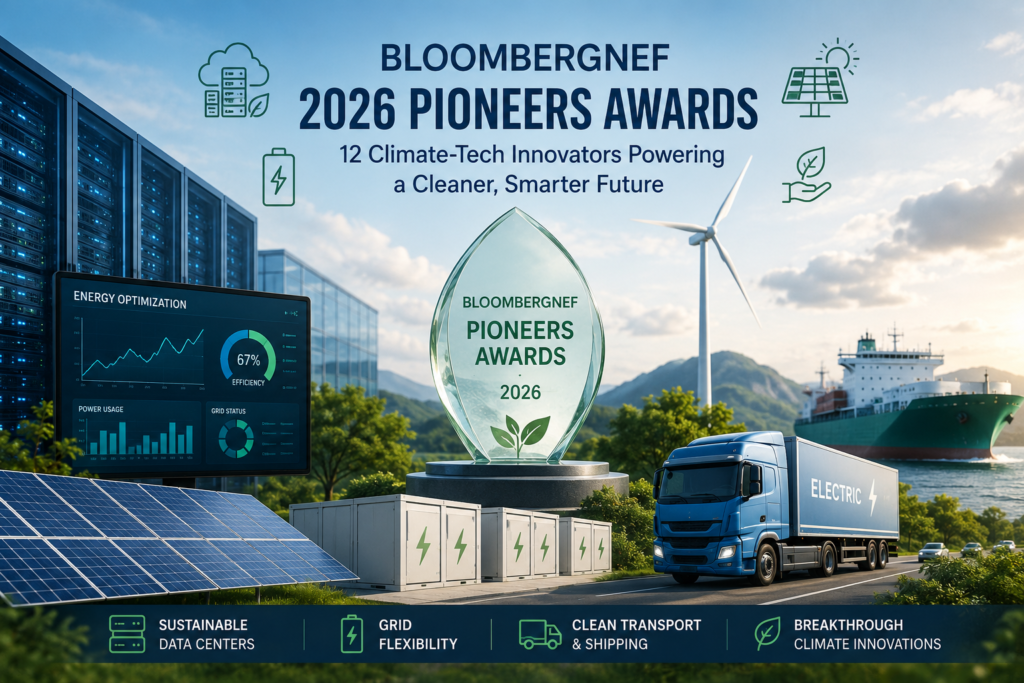
The global push toward a net zero future continues to gain momentum, and innovation is playing a central role in this transition. Recently, BloombergNEF announced the winners of its 2026 Pioneers Award, recognizing 12 promising climate technology startups that are shaping the future of sustainability.

Selected from more than 600 applications across 66 countries, these startups represent some of the most impactful solutions in energy, transportation, and climate innovation today.

Driving Innovation Across Key Climate Challenges

The award highlights startups working on three critical areas that are essential for reducing global emissions and building a more sustainable infrastructure.

Smarter and Greener Data Centers

As demand for data continues to rise, energy consumption in data centers has become a growing concern. Startups such as Emerald AI, HT Materials Science, and Point2 Technology are developing advanced cooling systems and efficiency solutions. Their work aims to reduce energy usage while maintaining high performance, making data infrastructure more sustainable.

Solving the Duck Curve Problem

Managing energy supply and demand remains one of the biggest challenges in renewable energy adoption. Companies like Base Power Company, Qvantum International, and XL Batteries are working on improving energy storage and stabilizing electricity grids. Their innovations help balance fluctuations in renewable energy generation, especially during peak and off-peak hours.

Decarbonizing Heavy Transport and Shipping

Heavy transport and shipping are among the most difficult sectors to decarbonize. Startups such as DeepWay BEV Truck, Silverstream Technologies, and WattEV, Inc. are tackling this issue through electric vehicle technology and advanced solutions that reduce drag in shipping. These developments are helping lower emissions while improving operational efficiency.

Wildcard Innovations Expanding Climate Impact

In addition to the main categories, three startups were recognized as wildcard innovators for their unique contributions to climate solutions.

BasiGo is working to accelerate the adoption of electric buses, making public transport cleaner and more accessible. Endolith is exploring microbial carbon capture, offering a new approach to reducing carbon dioxide levels. GRST focuses on battery recycling, addressing the growing need for sustainable battery lifecycle management.

These companies demonstrate that innovation in climate technology goes beyond traditional sectors and continues to evolve in new and unexpected ways.

Global Recognition at the New York Summit

The selected startups will present their solutions at BloombergNEF’s New York Summit, scheduled for April 21 and 22, 2026. This event brings together industry leaders, investors, and innovators from around the world.

The Pioneers program has a strong track record, with previous participants collectively raising more than 25 billion dollars. This reflects the growing investor confidence in scalable climate technologies that can support global decarbonization efforts.

A Step Forward for a Sustainable Future

The 2026 Pioneers Award highlights the importance of innovation in addressing climate challenges. From energy storage and transport to data infrastructure and carbon capture, these startups are contributing to real-world solutions that can drive meaningful change.

As the world continues its journey toward sustainability, initiatives like this play a vital role in identifying and supporting technologies that can create long-term environmental impact.

Top Sustainability Breakthroughs Shaping 2026

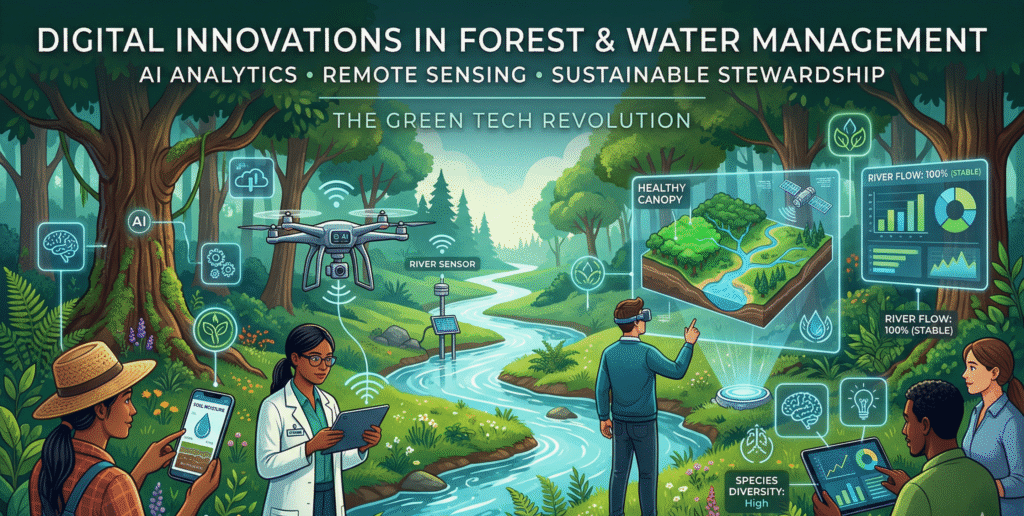
Vibrant digital illustration of a lush forest landscape with a flowing river, featuring diverse farmers, women, and tech experts using smartphones, drones, and satellite holograms to monitor tree health and water flow. Includes subtle AI analytics icons and eco-friendly elements in greens, blues, and earth tones, styled as a futuristic infographic header for sustainability innovations.
generated by google gemini

Sustainability is no longer a future concept. In 2026, it is actively reshaping how we build cities, manage resources, and generate energy. Across industries, new technologies are moving beyond theory and delivering practical, scalable solutions to real-world problems.

In this article, we explore three breakthrough innovations that are redefining energy efficiency, water management, and urban design.

Heat-Storing Building Materials for Smarter Energy Use

One of the most promising developments this year comes from researchers in Finland. They have created an advanced building material that can store and release heat, helping regulate indoor temperatures naturally.

This innovative composite combines waste wood biochar with clay. It also includes a special paraffin-based substance that absorbs heat during the day by melting and releases it at night as it solidifies. The result is a material that maintains comfortable indoor conditions without heavy reliance on air conditioning or heating systems.

Heating and cooling account for nearly 30 percent of global energy consumption. Materials like these can significantly reduce that demand by stabilizing temperatures inside buildings.

These panels are especially useful for spaces such as offices and warehouses. They can be added to existing structures without requiring major renovations. While early testing shows strong potential, large-scale production and safety standards, particularly fire resistance, will play a key role in widespread adoption.

Compact Urban Water Systems Inspired by Nature

Urban water management is another area seeing rapid transformation. Companies like Organica Water are leading the way with systems that mimic natural ecosystems.

Their approach uses plant roots and beneficial microbes to treat wastewater in compact, enclosed environments. These systems operate like artificial wetlands, breaking down pollutants efficiently while using far less space and energy than traditional treatment plants.

Compared to conventional setups, these systems require about 60 percent less space and consume around 30 percent less energy. This makes them particularly valuable in densely populated urban areas where land and resources are limited.

In regions such as South Asia, where a large portion of wastewater remains untreated, these modular units can be installed close to the source. This reduces the need for extensive pipelines and pumping infrastructure.

Beyond treatment, these systems support water reuse in industries, parks, and urban landscapes. They also contribute to local biodiversity. However, successful implementation depends on proper maintenance and skilled operation to meet safety and quality standards.

Flexible Solar Windows Transforming City Buildings

Solar energy is also evolving in exciting ways. Researchers at Hebrew University of Jerusalem have developed flexible solar cells that can be integrated directly into windows.

These advanced cells are made using perovskite materials and are produced through 3D printing. They allow light to pass through while still generating electricity. With an efficiency of around 9.2 percent and transparency of about 35 percent, they strike a balance between energy production and natural lighting.

Another advantage is their flexibility. Unlike traditional solar panels, these cells can bend without breaking, making them ideal for modern architectural designs. Their production process also avoids some of the harsh chemicals used in conventional solar manufacturing.

This technology opens the door to turning entire building facades into energy-generating surfaces. Instead of relying only on rooftops, cities can now harness solar power from vertical spaces.

There are still challenges to address, especially around long-term durability in different weather conditions. Building regulations will also influence how quickly this technology becomes mainstream.

Why These Innovations Matter in 2026

These breakthroughs highlight a clear shift in how sustainability is being approached. Instead of isolated solutions, the focus is now on integrating efficiency directly into everyday systems.

  • Smart materials are reducing energy demand at the source
  • Nature-inspired systems are making infrastructure more efficient and compact
  • Integrated solar technologies are expanding access to clean energy

For those working in sustainability, eco-tech, or even sustainable agriculture, these innovations offer valuable insights. They reflect a broader movement toward regenerative and resource-efficient systems that can be adapted across industries.

As cities continue to grow, adopting such technologies will be essential for building a more resilient and sustainable future.

Shifting to a Green Digital Economy Can Improve Health and Sustainability

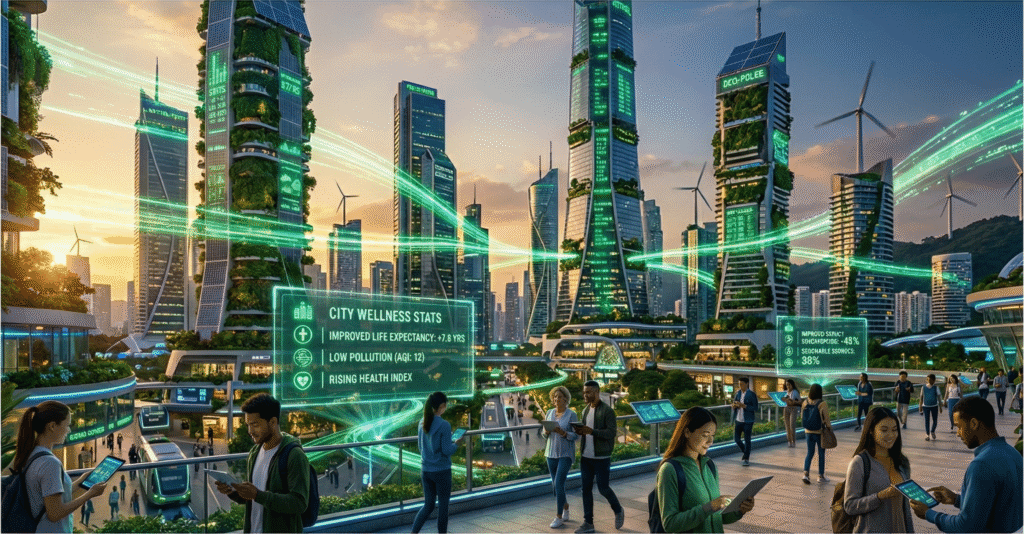
A futuristic cityscape at dusk featuring glowing green digital data streams connecting skyscrapers adorned with vertical gardens and solar panels, people interacting with smart devices in clean, pollution-free air, gentle wind turbines, and holographic displays of energy savings and health improvements, rendered in emerald greens, blues, and golds for a sustainable tech atmosphere.
generated by google gemini

The global push toward sustainability is gaining momentum, and new research suggests that combining digital growth with environmentally responsible practices could transform both economic and public health outcomes. A recent study conducted by researchers at Henan University of Urban Construction highlights how a green digital economy can significantly reduce energy consumption while improving quality of life by 2030.

The study used an advanced economic modeling approach to evaluate how integrating digital technologies with sustainable energy systems can influence carbon emissions, economic growth, and life expectancy. The findings suggest that it is possible to achieve economic progress without compromising environmental health.

What Is a Green Digital Economy

A green digital economy refers to the integration of digital technologies such as cloud computing, data infrastructure, and high-speed connectivity with sustainable practices like renewable energy and energy-efficient systems. This approach ensures that digital expansion does not come at the cost of environmental degradation.

By aligning innovation with sustainability, countries can create systems that are both productive and environmentally responsible.

Key Benefits of Green Digital Integration

The research presents several compelling benefits of adopting a green digital strategy.

Reduced Energy Consumption

The study estimates that energy usage could decline to around 250 million tons of standard coal equivalent by 2030. This represents a reduction of approximately 20 percent compared to conventional growth models. Such a decrease would play a major role in lowering overall carbon emissions.

Improved Air Quality

Air pollution levels are also expected to improve significantly. PM2.5 concentrations could drop to 22.36 micrograms per cubic meter, reflecting an improvement of about 11.5 percent. Cleaner air directly contributes to fewer respiratory illnesses and better overall public health.

Sustained Economic Growth

One of the most important findings is that economic growth does not have to slow down. In fact, the study suggests that GDP growth can remain stable or even accelerate when sustainability is integrated into digital expansion. This challenges the common belief that environmental policies limit economic progress.

Stronger Infrastructure with Clean Energy

The benefits become even more impactful when digital infrastructure such as data centers and communication networks are powered by renewable energy sources. This combination ensures long-term efficiency and sustainability.

Policy Roadmap for a Sustainable Future

To unlock the full potential of a green digital economy, policymakers need to align digital development with environmental strategies. According to the study’s lead researcher, Songtao Huo, this approach allows economies to grow while reducing their environmental impact.

Governments and urban planners can use these insights to design policies that encourage investment in clean energy, smart infrastructure, and sustainable urban development. These steps can lead to better air quality, improved public health, and long-term economic resilience.

Why the Green Digital Transition Matters Now

The findings of this study provide clear evidence that a green digital economy offers benefits for both people and the planet. By focusing on efficiency, clean technologies, and responsible innovation, countries can create healthier environments without sacrificing growth.

Nations that take early action have the opportunity to lead globally in sustainable development. The transition is not just an environmental necessity but also a strategic move toward a more balanced and future-ready economy.

How a Green Digital Economy Can Reduce Energy Use and Improve Public Health by 2030

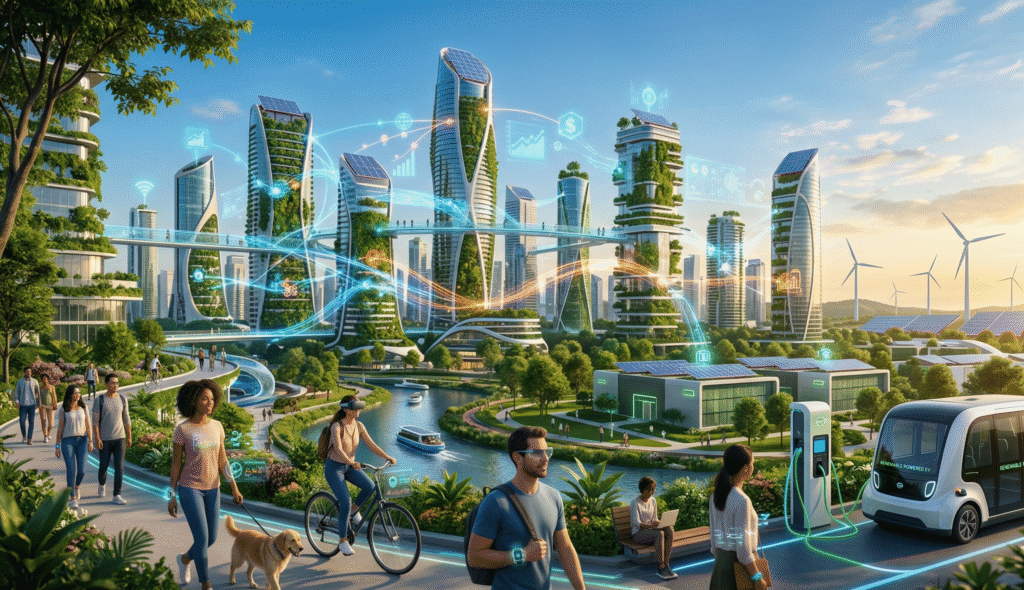
A photorealistic view of a futuristic sustainable city in 2030, highlighting the green digital economy with skyscrapers featuring vertical gardens and solar panels, glowing data streams linking smart buildings, people using wearable health tech in clean air, wind turbines, EV stations, and green data centers amid parks, all under golden hour lighting.
generated by google gemini

The transition toward a green digital economy is quickly becoming a practical solution for countries aiming to balance economic growth with environmental responsibility. By combining digital innovation with sustainable practices, it is possible to reduce energy consumption while improving public health and overall environmental quality.

Recent research focusing on China’s economic future shows that this transformation can deliver measurable benefits without slowing down development. Instead, it may even accelerate growth in a cleaner and more efficient way.

Understanding the Study Behind the Shift

A research team from Henan University of Urban Construction explored how digital technologies can work alongside green energy systems to shape future economic outcomes. They used a Dynamic Energy Computable General Equilibrium model to simulate different scenarios up to 2030.

This advanced modeling approach allowed researchers to examine how economic growth, digital infrastructure, and energy transitions interact with each other. The findings clearly show that digital tools can play a major role in building a sustainable and resilient economy.

Significant Energy Savings Through Digital Integration

One of the most important outcomes of this study is the potential reduction in energy consumption. With a green digital transition, total energy use could drop to nearly 250 million tons of standard coal equivalent by 2030.

This represents a reduction of about 20 percent compared to conventional projections. The decrease is largely driven by smarter systems, improved efficiency, and increased reliance on renewable energy sources. Technologies such as smart grids, automated systems, and data-driven energy management help minimize waste and optimize usage.

Cleaner Air and Better Public Health

Improved air quality is another major benefit of this transformation. The study suggests that PM2.5 levels could fall to approximately 22.36 micrograms per cubic meter. This is about 11.5 percent lower than expected under standard conditions.

Lower pollution levels directly contribute to better respiratory health and longer life expectancy. Cleaner air reduces the burden on healthcare systems and improves the quality of life for communities. In simple terms, a greener digital economy does not just protect the environment, it also protects people.

Economic Growth Without Environmental Trade-Offs

A common concern is that sustainability may slow down economic progress. However, the findings suggest the opposite. The green digital model shows stronger GDP growth compared to traditional approaches.

This proves that environmental responsibility and economic expansion can go hand in hand. By investing in digital infrastructure and clean energy, governments can create new opportunities, improve productivity, and build a competitive advantage in the global market.

A Practical Policy Roadmap for the Future

To unlock these benefits, policymakers need to focus on building infrastructure that connects digital systems with low-carbon energy sources. High-speed internet, cloud computing, and renewable energy must work together as part of a unified strategy.

Global trends support this direction. The rise of digital healthcare, remote services, and virtual operations is already helping reduce emissions in many sectors. Cities and countries around the world can adapt these insights to design their own low-emission and high-growth futures.

Conclusion

The shift to a green digital economy is not just an environmental necessity, it is a strategic opportunity. By embracing digital innovation and clean energy together, nations can reduce energy use, improve public health, and achieve sustainable economic growth.

As the world moves closer to 2030, adopting this integrated approach could define which economies thrive in a future shaped by sustainability and technology.

Revolutionizing Sustainability Through Bold Innovation

Young woman smiling confidently while holding a small windmill model, representing hands-on renewable energy innovation and youth-led sustainable technology.
Royalty free image via pexels.

Sustainability is no longer just about reducing harm. It is about reimagining how systems work from the ground up. Today, innovation is playing a central role in building a future where environmental health, social well-being, and economic growth can coexist.

Young innovators, in particular, are driving this transformation. With fresh perspectives and fewer limitations, they are designing solutions that restore ecosystems, strengthen communities, and create long-term value.

What Is Sustainable Innovation

Sustainable innovation focuses on redesigning how we use resources, produce goods, and consume services. It aims to align human activity with the limits of the planet while ensuring fairness and economic stability.

Instead of making small improvements, this approach challenges existing systems. It asks a fundamental question: should the current model exist at all?

For example, rather than improving efficiency in traditional manufacturing, sustainable innovation promotes circular systems where materials are reused, waste is minimized, and ecosystems are supported rather than depleted.

Key Types of Sustainable Innovation

Sustainable innovation can take different forms, each contributing to long-term impact in its own way.

1. Product Innovation

This focuses on creating eco-friendly products or services. Examples include apps that reduce food waste or sustainable packaging alternatives. These innovations influence consumer behavior and encourage responsible choices.

2. Process Innovation

Process improvements aim to make production more efficient and less harmful. This could involve using renewable inputs, reducing emissions, or minimizing waste during manufacturing.

3. Technological Innovation

Advanced technologies help scale sustainability solutions. Renewable energy systems, smart grids, and energy storage technologies are examples that enable widespread impact.

4. Organizational Innovation

This involves changing how businesses operate internally. Companies adopt circular models, sustainable supply chains, and ethical practices that reshape their overall structure.

5. Market Innovation

Market-based solutions redefine value systems. Repair services, sharing economies, and carbon pricing models shift how businesses and consumers interact economically.

When these approaches are combined, their impact becomes even stronger. For instance, electric vehicles become more effective when supported by clean energy infrastructure and updated market systems.

Characteristics of Successful Sustainable Innovation

Not all innovation leads to meaningful sustainability. Successful solutions share a few important traits:

  • They focus on long-term impact rather than short-term gains
  • They address root causes instead of surface-level problems
  • They respect planetary boundaries and resource limits
  • They create value for multiple stakeholders, including communities and ecosystems

Scalability is also critical. A solution must grow without causing unintended harm elsewhere. Early evaluation helps ensure that ideas are practical, inclusive, and effective.

The Role of Youth and Diverse Teams

Young innovators bring creativity and a willingness to challenge outdated systems. They are more open to experimentation and cross-disciplinary thinking, which is essential for solving complex sustainability challenges.

Diverse teams further strengthen innovation. When people from different backgrounds collaborate, they bring unique insights into cultural, economic, and environmental factors. This helps identify hidden challenges and develop solutions that work across regions.

Collaboration across borders also improves adoption. Local knowledge ensures that solutions are practical and accepted by communities.

Challenges in Sustainable Innovation

Despite its potential, sustainable innovation faces several barriers:

Limited Funding

Many sustainable projects require long-term investment, which can be difficult to secure. Combining grants, public funding, and private investment can help bridge this gap.

Lack of Collaboration

Different sectors often have conflicting priorities. Building strong partnerships between governments, businesses, and communities is essential.

Resistance to Change

Established systems can be difficult to shift. Engaging stakeholders early helps reduce resistance and build trust.

Adoption Barriers

Solutions sometimes fail because they do not fit local needs. Co-creating with communities ensures better usability and acceptance.

Addressing these challenges early allows innovators to adapt quickly and increase their chances of success.

Why Action Is Needed Now

The need for sustainable innovation has never been greater. Climate challenges, resource scarcity, and social inequalities demand bold and immediate action.

Initiatives like the Mars Challenge are empowering young people to think systemically and develop regenerative solutions. These platforms provide the tools, mentorship, and global networks needed to turn ideas into real-world impact.

Final Thoughts

Sustainable innovation is not just a trend. It is a necessary shift in how we design systems for the future. By focusing on regeneration, collaboration, and scalability, innovators can create solutions that benefit both people and the planet.

The next wave of change will be led by those willing to rethink the status quo. Now is the time to act, experiment, and build a more sustainable world.

Top Corporate Sustainability Trends to Watch in 2026

Professional woman presenting corporate sustainability trends in modern office meeting.
Royalty free image via pexels.

Corporate sustainability is no longer about making ambitious promises. In 2026, it is about delivering measurable outcomes. Investors, regulators, and customers are increasingly expecting companies to demonstrate real progress, especially in areas such as emissions reduction, climate risk management, and transparent reporting.

Organizations that focus on practical implementation rather than just strategy are emerging as leaders in this evolving landscape.


Changing Global Sustainability Reporting Standards

Sustainability reporting is undergoing significant transformation across the globe. In Europe, frameworks like the Corporate Sustainability Reporting Directive are being refined to make compliance more practical for businesses. However, expectations for reliable and high-quality ESG data continue to grow.

At the same time, Asian markets are taking a strong lead. Countries such as China and Singapore are introducing mandatory ESG disclosure requirements starting in 2026. These regulations will not only impact domestic companies but also global supply chains connected to these markets.

In addition, carbon border taxes from regions like the European Union and the United Kingdom are increasing pressure on exporters. Businesses must now improve their data accuracy and transparency, regardless of local regulatory requirements.


Renewable Energy Becomes a Cost Advantage

Renewable energy is no longer just an environmental choice. It has become a strong financial decision. Sources like solar and wind energy are now leading new power installations due to their declining costs.

Corporate renewable energy agreements have reached record levels in recent years, showing a clear shift toward clean energy adoption. Companies are also exploring demand flexibility strategies, which allow them to reduce energy usage during peak times and even generate revenue through grid participation programs.

Improving energy efficiency in buildings and industrial processes remains one of the fastest ways to reduce both costs and emissions.


Rising Importance of Nature and Biodiversity Risks

Businesses are starting to recognize that environmental risks go beyond carbon emissions. Biodiversity loss and land use changes are becoming central to corporate strategy.

Frameworks such as the Taskforce on Nature-related Financial Disclosures are helping organizations identify and manage financial risks linked to nature degradation. Industries that rely heavily on land and natural resources must adopt targeted approaches, including insetting and ecosystem restoration investments.

Investors are increasingly viewing nature-related risks as direct threats to long-term value, which is encouraging companies to act early.


Climate Risks Directly Impact Financial Performance

Climate change is no longer a distant concern. Physical risks such as floods, extreme heat, and storms are already disrupting operations and increasing costs for many businesses.

At the same time, policy changes and the transition to a low-carbon economy are creating new financial uncertainties. Companies that integrate climate scenario planning into their financial strategies and investment decisions are better positioned to manage these challenges.


Growing Focus on Climate Adaptation

Adaptation is becoming just as important as mitigation. Industries like agriculture, manufacturing, and energy are investing in resilience measures to protect their operations and profitability.

Examples include improved water management systems, climate-resilient infrastructure, and early warning technologies. These initiatives often provide immediate benefits by reducing operational risks and improving efficiency.


Smarter and More Reliable Carbon Markets

Carbon markets are evolving rapidly, with a stronger focus on quality and transparency. Businesses are securing long-term agreements for high-quality carbon credits and using advanced technologies for verification and tracking.

As standards for net-zero commitments become stricter, companies are planning to increase their use of carbon markets by 2030. This approach helps manage risks and strengthen supply chain resilience.


Artificial Intelligence Enhances Sustainability Efforts

Artificial intelligence is playing a growing role in sustainability management. AI tools can automate data collection, validation, and analysis, allowing sustainability teams to focus more on strategic decision-making.

However, companies are also mindful of the energy consumption associated with AI systems. Leading organizations are balancing technology adoption with responsible usage and human oversight to maintain credibility.


Stronger Supply Chain Collaboration

Addressing Scope 3 emissions requires close collaboration with suppliers. Companies are moving beyond basic compliance and building long-term partnerships that include shared tools, data systems, and financial support for sustainability initiatives.

Successful organizations understand that meaningful change comes from continuous collaboration rather than isolated efforts.


Action-Oriented Leadership Will Define Success

In 2026, the companies that stand out will be those that can adapt quickly to changing regulations, manage complex risks, and align stakeholder expectations effectively.

Sustainability leadership is no longer defined by ambition alone. It is defined by action, execution, and the ability to deliver real impact.

Key Advances in Solar and Renewable Energy

Solar technician in safety gear closely inspecting large photovoltaic panels on a sunny day, highlighting routine maintenance for efficient renewable energy systems.
Royalty free image via pexels.

The global energy landscape is changing quickly. Innovations in renewable technology are making clean power more efficient, affordable, and reliable. By 2025 and beyond, these developments are expected to accelerate the shift away from fossil fuels.

Advances in solar power, hydrogen fuel, battery storage, and smart grid technology are helping renewable energy move closer to becoming the primary source of electricity worldwide. As research and investment continue to grow, these technologies are opening new possibilities for sustainable power generation.

Perovskite Solar Breakthroughs

One of the most exciting developments in solar energy is the progress in perovskite solar cells. These advanced materials have demonstrated impressive efficiency levels in laboratory testing, often exceeding 25 percent. Researchers are also combining perovskite layers with traditional silicon cells to achieve even higher performance.

Another advantage of perovskite technology is its flexibility. Unlike conventional solar panels, these cells can be lightweight and adaptable. This makes them suitable for building-integrated solar systems, portable energy solutions, and innovative architectural designs.

However, durability remains a challenge. Exposure to moisture, heat, and sunlight can affect their long term stability. Scientists are currently working on improved coatings and protective layers to address these issues. As production methods improve and costs decrease, perovskite solar technology could soon become a practical option for large scale deployment.

The Rise of Green Hydrogen

Green hydrogen is gaining global attention as a clean fuel for industries that are difficult to decarbonize. It is produced through electrolysis powered by renewable energy, which separates hydrogen from water without generating carbon emissions.

This technology has strong potential in sectors such as steel production, shipping, and heavy transportation. These industries require high energy intensity, making traditional electrification more challenging.

Investment in green hydrogen projects has increased significantly in recent years. By 2024, global funding had reached around 75 billion dollars, with strong manufacturing growth in countries like China. Continued innovation is expected to reduce production costs and improve water efficiency. Analysts estimate that global output could reach nearly 49 million tons annually by 2030.

Next Generation Energy Storage

Reliable energy storage is essential for expanding renewable power. Solar and wind energy are variable by nature, which means electricity must be stored for use when production drops.

New battery technologies are helping solve this challenge. Solid state batteries and flow batteries offer higher energy density and longer operational lifespans compared with traditional lithium ion systems. These technologies could play an important role in stabilizing power grids.

Thermal storage systems are also becoming more common. Some facilities use molten salt to store heat from solar power plants, allowing electricity generation even after sunset. Meanwhile, sodium ion batteries are emerging as an alternative that could reduce reliance on limited lithium supplies.

The global energy storage market is expanding rapidly and is projected to reach more than 31 billion dollars by 2031.

Growth of Bifacial and Floating Solar

Solar technology is also evolving in the design of photovoltaic panels. Bifacial solar panels are capable of capturing sunlight on both sides of the module. When installed over reflective surfaces such as sand, water, or light colored rooftops, they can increase energy output by up to 30 percent.

Today, bifacial modules are becoming the standard design in new solar installations, accounting for a large share of modern photovoltaic systems.

Floating solar farms represent another innovative solution. These installations are placed on reservoirs, lakes, or other water bodies. The cooling effect of water helps improve panel efficiency by roughly 15 percent. At the same time, floating solar reduces land use and minimizes water evaporation.

If deployed on a large scale, floating solar could potentially generate energy levels far greater than current global solar capacity.

Battery Systems and Artificial Intelligence Optimization

Battery Energy Storage Systems are becoming a critical component of modern renewable energy networks. Technologies such as lithium iron phosphate batteries are helping stabilize electricity grids by storing excess energy generated during peak production.

The battery storage sector is growing quickly and is expected to expand at an annual rate of nearly 27 percent in the coming years.

Artificial intelligence is also playing an important role in energy management. AI based systems can predict electricity demand and renewable energy production, allowing grid operators to balance supply more effectively. In addition, digital twin technology allows companies to simulate energy assets and optimize performance before making costly infrastructure decisions.

Wind and Blockchain Innovations

Wind energy continues to advance through new engineering designs. Floating wind turbines are opening opportunities for power generation in deeper offshore waters where wind resources are stronger and more consistent.

Vertical axis wind turbines are also gaining attention because they can operate efficiently in urban environments with complex wind patterns. Some developers are experimenting with wooden turbine towers, which can reduce construction related emissions.

At the same time, blockchain technology is beginning to reshape energy markets. Blockchain platforms allow direct peer to peer electricity trading between consumers and producers. The technology can also verify renewable energy certificates, improving transparency in green energy markets.

The blockchain energy sector is expected to grow rapidly over the next decade.

Diverse Renewables and Smart Grid Integration

Renewable energy systems are strongest when they combine multiple power sources. Hydropower and geothermal energy provide stable base load electricity that complements variable solar and wind production.

Modern smart grids are helping integrate these diverse resources. Using real time data and advanced sensors, smart grid systems can automatically adjust electricity flows, balance supply and demand, and reduce energy waste. This improves reliability while making renewable energy networks more resilient.

Broader Impacts of Renewable Energy Innovation

The rapid development of renewable technologies is creating benefits far beyond electricity generation. Clean energy investments are generating new employment opportunities, strengthening energy security, and reducing pollution related health risks.

As technology costs continue to fall and supportive policies expand, renewable energy is positioned to become the backbone of a low carbon global economy. The coming decade will likely see even greater innovation as governments, businesses, and researchers work together to build a sustainable energy future.

Pioneering Sustainability Through Innovation and Global Collaboration

A hyper-realistic aerial view captures wind turbines and solar panels spanning arid hills in Vietnam's Ninh Thuan province, a leading renewable energy hub.
​
Royalty free image via pexels.

Sustainability has moved beyond long term promises and policy statements. Companies, institutions, and communities across the world now drive measurable climate action through innovation and collaboration. Recent updates from Green Sustainability Magazine show how organizations actively reduce emissions, strengthen circular economies, and accelerate renewable energy adoption.

These initiatives highlight a clear trend. Environmental responsibility and business growth can advance together when leaders invest in practical solutions.


Industry Leaders Accelerating Sustainable Change

The December 2025 edition highlights organizations that actively reshape sustainability across key industries.

Kemvera leads the transition toward carbon negative chemical production by using bio based feedstocks and carbon dioxide derived processes. This model cuts emissions while delivering scalable alternatives to traditional chemicals.

In agriculture, TIMAC AGRO Deutschland GmbH supports resilient farming through bio innovative tools that improve soil health and help farmers adapt to climate stress.

FluoroFusion addresses emissions from cooling systems by advancing refrigerant recycling and materials innovation, which reduces high impact greenhouse gases.

The edition also highlights global sustainable chemistry leadership from the American Chemical Society, low carbon energy development by Sizewell C, and low carbon engineering solutions from ANDRITZ. Forward looking architecture from RODE Architects further reinforces the role of design in climate resilience.


Sustainable Innovation From Earlier Editions

The October 2025 edition focused on progress in materials, manufacturing, and circular systems.

Brenntag continues to improve greener chemical distribution through optimized logistics and responsible sourcing. At the same time, BEWI Group expands polystyrene recycling infrastructure across Europe.

Manufacturers such as Midas Pattern Company now deliver carbon neutral polyurethane tooling without sacrificing performance.

Additional contributions from Zest Associates, Thinking Adrenaline, Capsum, and MAJOR FLEX-MAT show how sustainability strategies can strengthen brand value.

Circular economy leadership also comes from North American Mattress Upcycling, Whitefox Technologies, and Wind Harvest, all of which link environmental impact with commercial success.


Global Events and Strategic Partnerships

International collaboration continues to play a central role in climate progress.

The European Congress on Climate Change and Environmental Sustainability, held on November 6–7, 2025 in Vienna, brings together experts to address carbon strategies, sustainable agriculture, resilient infrastructure, environmental justice, and climate focused technologies.

Green Sustainability Magazine works with Better Planet Education to provide climate and biodiversity learning resources for young audiences.

Community focused action also remains a priority. Support for Project Apis CIC in Norfolk strengthens pollinator protection while improving mental wellbeing and social inclusion through accessible beekeeping programs.

The magazine also supports the 3rd World Congress on Recycling and Waste Management in Singapore from April 13–15, 2026, along with initiatives from The Rivers Trust, which leads river restoration through nature based solutions.


Sustainability Progress Across Key Industries

Major industries continue to integrate sustainability into core operations.

The Mærsk Mc-Kinney Møller Center advances zero carbon shipping by developing green corridors, multi fuel modeling, and cross sector partnerships.

Hunt’s Food Group achieved B Corp certification by investing in solar energy, optimizing delivery routes, and redistributing surplus food to reduce waste.

Vermeer UK & Ireland expands its sustainable infrastructure portfolio through electric drilling equipment and low emission fleet transitions.

Technology driven energy solutions from RJ Power integrate artificial intelligence monitoring and advanced battery systems.

In hospitality, The Wellbeing Farm delivers certified B Corp events using off grid power and reusable decor. Meanwhile, Blooming Color transforms printing through on demand digital production and closed loop recycling.


Energy and Agriculture Innovations Shaping the Future

Transport, renewable energy, and industrial heating continue to evolve rapidly.

Volvo Trucks targets net zero emissions by 2040 through electric urban trucks, hydrogen powered long haul vehicles, green steel adoption, biogas, and circular battery reuse.

Eurowind Energy expands wind, solar, and green hydrogen projects across Southern Europe while strengthening local partnerships and digital optimization.

In industrial heating, ACME Engineering Products leads electrode boiler deployment to support clean energy transitions, particularly in China and the Middle East.


A Clear Path Forward for Global Sustainability

These developments point to a shared global direction. Organizations now treat sustainability as a driver of innovation, resilience, and long term value. As these solutions scale, they strengthen both environmental protection and economic stability.

A Unique Solar-Powered Platform

Vibrant green solar panel held by hands against clear sky, representing accessible low-tech renewable energy solutions.
Royalty free image via pexels.

What sets this platform apart is that it runs entirely on solar power. This proves that websites can remain operational even during low sunlight periods. By adopting a self-hosted solar model, the site dramatically reduces energy demand while sharing practical insights on low-tech renewable solutions.

Key Solar Innovations

The magazine covers inventive projects like compact solar heaters that store warmth for hours using simple solar panels. It also dives into historical photovoltaic experiments, showing how early solar technology laid the groundwork for modern solar cells.

Principles of Low-Tech Solar

The focus is on stand-alone solar systems for everyday devices, reducing reliance on traditional electricity grids. Guides emphasize durable, repairable, and easy-to-maintain systems rather than high-efficiency setups that create more waste over time.

Benefits of Low-Tech Solar

Solar setups can significantly lower emissions and energy bills while requiring minimal maintenance. They also increase property value and promote energy independence. While initial costs and variable sunlight may pose challenges, the long-term benefits make these systems a worthwhile investment.

Practical Considerations

Intermittent sunlight demands smart energy storage solutions, and available space may limit panel installations. Although solar panel production has an environmental footprint, the lifetime energy gains typically outweigh these initial impacts.

DIY Solar Projects

For beginners, start small. Build a solar heating cube by insulating a box, adding thermal mass such as stones, and connecting it to a basic photovoltaic array. In sunny climates like Bhopal, this setup provides reliable warmth without relying on fossil fuels.

Embracing low-tech solar innovations not only supports a sustainable lifestyle but also demonstrates that practical renewable energy solutions are accessible to everyone.

Sustainable Living: Practical Steps to Build a Greener Future

Neatly folded eco-friendly textiles organized on rustic wooden shelf for sustainable home storage.
Royalty free image via pexels.

Sustainable living has become a necessity rather than a choice in today’s world. With increasing pressure on natural resources and growing environmental challenges, adopting eco-conscious habits helps protect the planet while ensuring a better future for coming generations. The good news is that sustainability does not require extreme lifestyle changes. Small, intentional actions can create a meaningful and lasting impact.

Why Sustainable Living Matters

Living sustainably helps reduce environmental damage while offering personal benefits such as better health and long-term cost savings. It encourages a balance between individual needs and the well-being of the planet. By making thoughtful choices in everyday life, people can lower energy consumption, minimize waste, and consume resources more responsibly.

Simple Energy-Saving Habits

Reducing energy use is one of the most effective ways to live sustainably. Switching to renewable energy options like solar power can significantly lower carbon emissions where feasible. At home, unplugging unused electronics and replacing traditional bulbs with LED lighting helps reduce electricity consumption. Proper insulation and smart temperature controls also improve energy efficiency while keeping indoor spaces comfortable.

Smart Ways to Reduce Waste

Waste reduction plays a vital role in sustainability. Composting food scraps not only reduces landfill waste but also improves soil health. Replacing disposable products with reusable alternatives such as cloth bags, metal bottles, and glass containers cuts down plastic pollution. Buying items in bulk and choosing stores that support low-waste practices further reduces unnecessary packaging.

Making Sustainable Food Choices

Food habits have a direct impact on the environment. Choosing locally grown and seasonal produce reduces emissions linked to long-distance transportation and supports regional farmers. Adding more plant-based meals throughout the week can lower environmental strain while improving overall nutrition. Planning meals carefully and using leftovers creatively helps prevent food waste.

Eco-Friendly Transportation Options

Transportation is another major contributor to emissions. Walking, cycling, or using public transport for short trips helps reduce fuel use and pollution. For longer distances, carpooling or transitioning to electric vehicles can significantly lower environmental impact. Organizing errands efficiently also reduces unnecessary travel.

Responsible Shopping Habits

Mindful shopping supports sustainability by extending the life of products. Purchasing second-hand clothing and household items reduces demand for new production. Repairing items instead of replacing them saves money and resources. When buying new products, choosing natural materials and minimal packaging helps limit environmental harm.

Sustainable Upgrades for Your Home

Small home improvements can lead to meaningful environmental benefits. Installing water-efficient fixtures such as low-flow taps and showerheads conserves water without reducing comfort. Growing herbs or vegetables in small spaces like balconies provides fresh produce and promotes self-sufficiency. Using natural cleaning products reduces exposure to harmful chemicals while keeping homes safe and healthy.

Moving Toward a Greener Lifestyle

Sustainable living is a journey that begins with manageable steps. Starting with one or two changes makes the transition easier and builds long-term habits. These everyday actions align with broader advancements in green technology, agriculture, and eco-friendly construction, contributing to a more resilient and sustainable future.