Climate change remains one of the biggest global challenges, but the people leading the response are becoming more diverse than ever. Across governments, businesses, financial institutions, research organizations, and environmental groups, women are making a significant impact by developing practical solutions for a more sustainable future.
At a time when climate policies face political uncertainty and economic pressures in several countries, female leaders continue to push forward with innovation, collaboration, and long term thinking. Their work is helping communities, industries, and governments adapt to a changing climate while supporting the global transition toward cleaner and more sustainable development.
Women Are Taking on Key Climate Leadership Roles
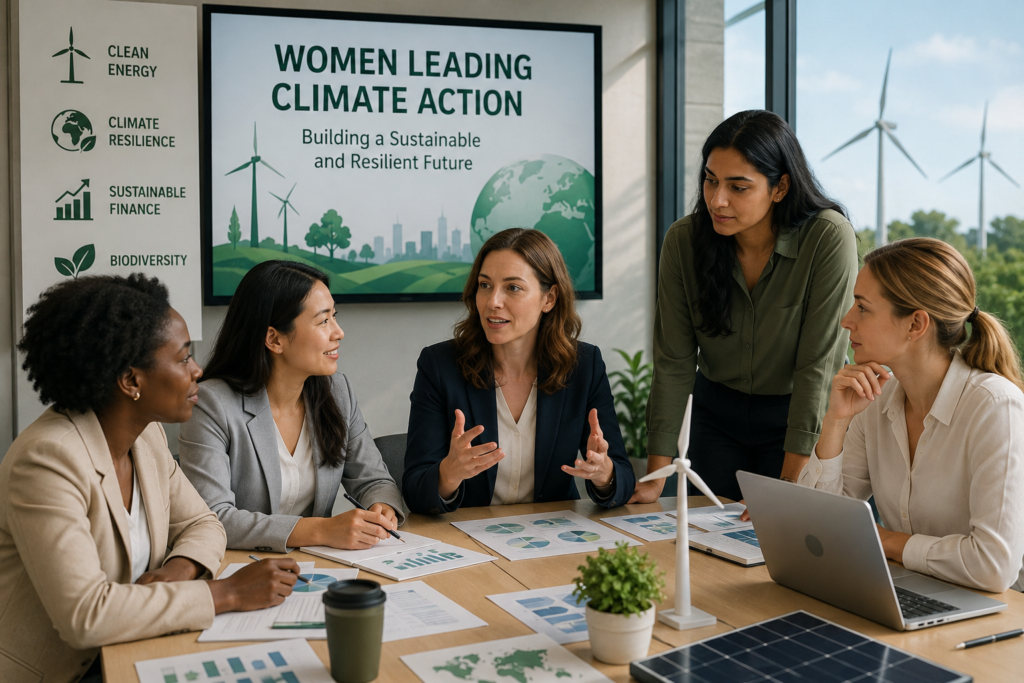
Women are contributing to climate action in many different sectors. Their leadership goes far beyond environmental advocacy. Today, they are helping shape public policy, advancing scientific research, managing sustainable investments, improving urban planning, and leading clean technology projects.
This growing representation demonstrates that solving climate challenges requires diverse perspectives. Different experiences often lead to stronger decision making, better collaboration, and solutions that address both environmental and social needs.
Climate Resilience Requires More Than Cutting Emissions
Reducing greenhouse gas emissions remains essential, but climate experts increasingly agree that this is only one part of the solution.
Communities around the world must also strengthen their ability to cope with rising temperatures, extreme weather events, floods, droughts, and other climate related risks. This includes investing in resilient infrastructure, protecting natural ecosystems, restoring forests, and conserving biodiversity.
These efforts help reduce environmental damage while improving the long term wellbeing of people and local economies.
Clean Technology Is Creating New Opportunities
The global economy is gradually moving toward cleaner industries and more sustainable business practices.
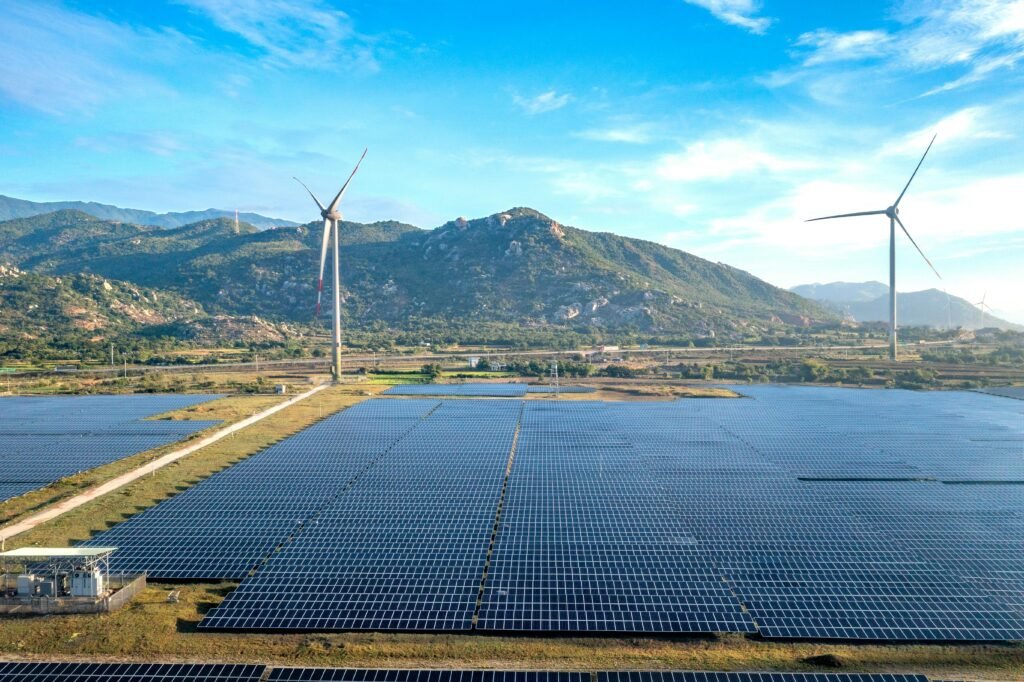
Innovations in renewable energy, battery storage, green manufacturing, sustainable finance, and nature based solutions are creating opportunities for businesses to reduce emissions while improving efficiency and competitiveness.
Many organizations now view sustainability as a business opportunity rather than simply a regulatory requirement. Companies that invest in cleaner technologies today are better positioned for future economic growth.
Businesses Continue Expanding Sustainability Initiatives
Corporate sustainability strategies continue to evolve across industries.
Many multinational companies are investing in renewable energy, reducing emissions throughout their supply chains, and working toward ambitious net zero goals. Businesses are also collaborating with governments, suppliers, and research organizations to accelerate climate innovation.
This cooperative approach is becoming increasingly important because no single organization can address climate challenges alone.
Sustainable Finance Is Supporting Climate Solutions
Financial institutions are playing an important role in accelerating climate action.
Investments are increasingly directed toward renewable energy projects, ecosystem restoration, climate adaptation, and sustainable infrastructure. Access to climate finance is especially important for developing countries, where additional funding can help communities build resilience against future environmental risks.
Experts believe stronger international cooperation will help expand these investments and support global sustainability goals.
Why Diverse Leadership Matters
The growing influence of women in climate leadership reflects a broader shift toward more inclusive decision making.
Women are contributing valuable expertise across engineering, environmental science, finance, technology, education, and community development. Their leadership encourages collaboration and helps create solutions that consider both environmental protection and human wellbeing.
Organizations that embrace diversity often benefit from broader perspectives, stronger innovation, and more balanced decision making.
Looking Ahead
Although climate action continues to face political and economic challenges, progress is still being made around the world.
Innovation, international partnerships, responsible investment, and community engagement remain key drivers of sustainable development. As more women step into influential leadership positions, they are helping shape practical solutions that support both economic growth and environmental protection.
The journey toward global sustainability will require commitment from governments, businesses, investors, researchers, and local communities. By working together and encouraging inclusive leadership, the world can continue making meaningful progress toward a cleaner, more resilient future.
Conclusion
Climate action is entering a new phase where collaboration, innovation, and inclusive leadership are becoming increasingly important. Women are making valuable contributions across multiple sectors and helping shape strategies that address today’s environmental challenges while preparing for tomorrow’s opportunities. Their leadership serves as a reminder that building a sustainable future requires the ideas, expertise, and commitment of people from every background.