Tag Archives: climate policy

Women Climate Leaders Are Shaping the Future of Global Sustainability

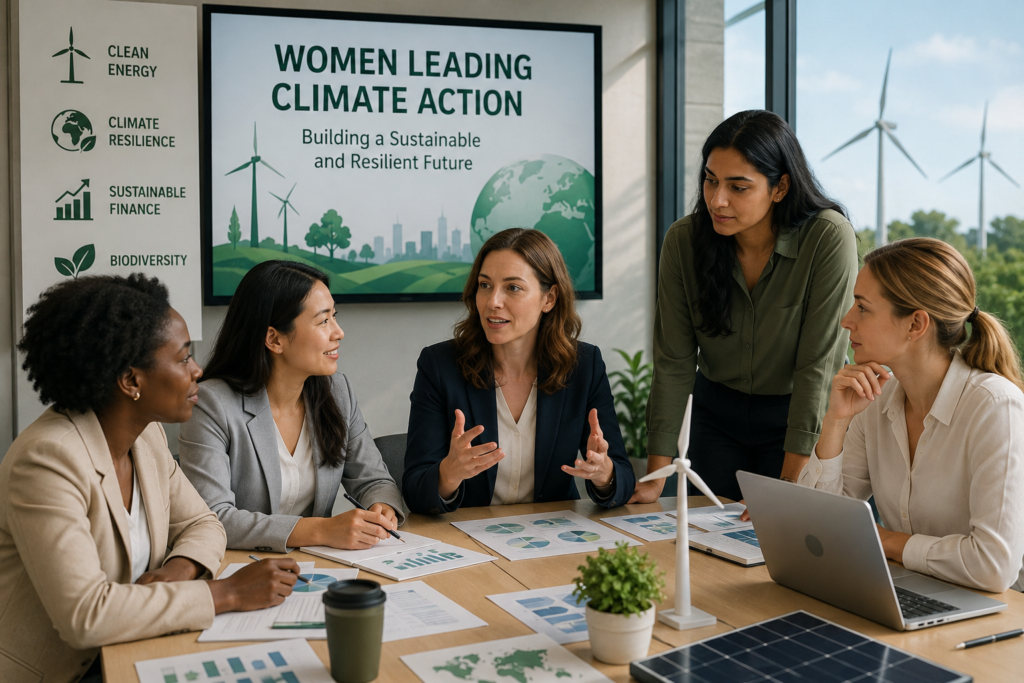
Professional women climate leaders collaborating on global sustainability strategies with renewable energy, clean technology, sustainable finance, and climate resilience planning in a modern eco-friendly office.
generated by ChatGPT

Climate change remains one of the biggest global challenges, but the people leading the response are becoming more diverse than ever. Across governments, businesses, financial institutions, research organizations, and environmental groups, women are making a significant impact by developing practical solutions for a more sustainable future.

At a time when climate policies face political uncertainty and economic pressures in several countries, female leaders continue to push forward with innovation, collaboration, and long term thinking. Their work is helping communities, industries, and governments adapt to a changing climate while supporting the global transition toward cleaner and more sustainable development.

Women Are Taking on Key Climate Leadership Roles

Women are contributing to climate action in many different sectors. Their leadership goes far beyond environmental advocacy. Today, they are helping shape public policy, advancing scientific research, managing sustainable investments, improving urban planning, and leading clean technology projects.

This growing representation demonstrates that solving climate challenges requires diverse perspectives. Different experiences often lead to stronger decision making, better collaboration, and solutions that address both environmental and social needs.

Climate Resilience Requires More Than Cutting Emissions

Reducing greenhouse gas emissions remains essential, but climate experts increasingly agree that this is only one part of the solution.

Communities around the world must also strengthen their ability to cope with rising temperatures, extreme weather events, floods, droughts, and other climate related risks. This includes investing in resilient infrastructure, protecting natural ecosystems, restoring forests, and conserving biodiversity.

These efforts help reduce environmental damage while improving the long term wellbeing of people and local economies.

Clean Technology Is Creating New Opportunities

The global economy is gradually moving toward cleaner industries and more sustainable business practices.

Innovations in renewable energy, battery storage, green manufacturing, sustainable finance, and nature based solutions are creating opportunities for businesses to reduce emissions while improving efficiency and competitiveness.

Many organizations now view sustainability as a business opportunity rather than simply a regulatory requirement. Companies that invest in cleaner technologies today are better positioned for future economic growth.

Businesses Continue Expanding Sustainability Initiatives

Corporate sustainability strategies continue to evolve across industries.

Many multinational companies are investing in renewable energy, reducing emissions throughout their supply chains, and working toward ambitious net zero goals. Businesses are also collaborating with governments, suppliers, and research organizations to accelerate climate innovation.

This cooperative approach is becoming increasingly important because no single organization can address climate challenges alone.

Sustainable Finance Is Supporting Climate Solutions

Financial institutions are playing an important role in accelerating climate action.

Investments are increasingly directed toward renewable energy projects, ecosystem restoration, climate adaptation, and sustainable infrastructure. Access to climate finance is especially important for developing countries, where additional funding can help communities build resilience against future environmental risks.

Experts believe stronger international cooperation will help expand these investments and support global sustainability goals.

Why Diverse Leadership Matters

The growing influence of women in climate leadership reflects a broader shift toward more inclusive decision making.

Women are contributing valuable expertise across engineering, environmental science, finance, technology, education, and community development. Their leadership encourages collaboration and helps create solutions that consider both environmental protection and human wellbeing.

Organizations that embrace diversity often benefit from broader perspectives, stronger innovation, and more balanced decision making.

Looking Ahead

Although climate action continues to face political and economic challenges, progress is still being made around the world.

Innovation, international partnerships, responsible investment, and community engagement remain key drivers of sustainable development. As more women step into influential leadership positions, they are helping shape practical solutions that support both economic growth and environmental protection.

The journey toward global sustainability will require commitment from governments, businesses, investors, researchers, and local communities. By working together and encouraging inclusive leadership, the world can continue making meaningful progress toward a cleaner, more resilient future.

Conclusion

Climate action is entering a new phase where collaboration, innovation, and inclusive leadership are becoming increasingly important. Women are making valuable contributions across multiple sectors and helping shape strategies that address today’s environmental challenges while preparing for tomorrow’s opportunities. Their leadership serves as a reminder that building a sustainable future requires the ideas, expertise, and commitment of people from every background.
Global Climate Pressure Is Increasing Worldwide

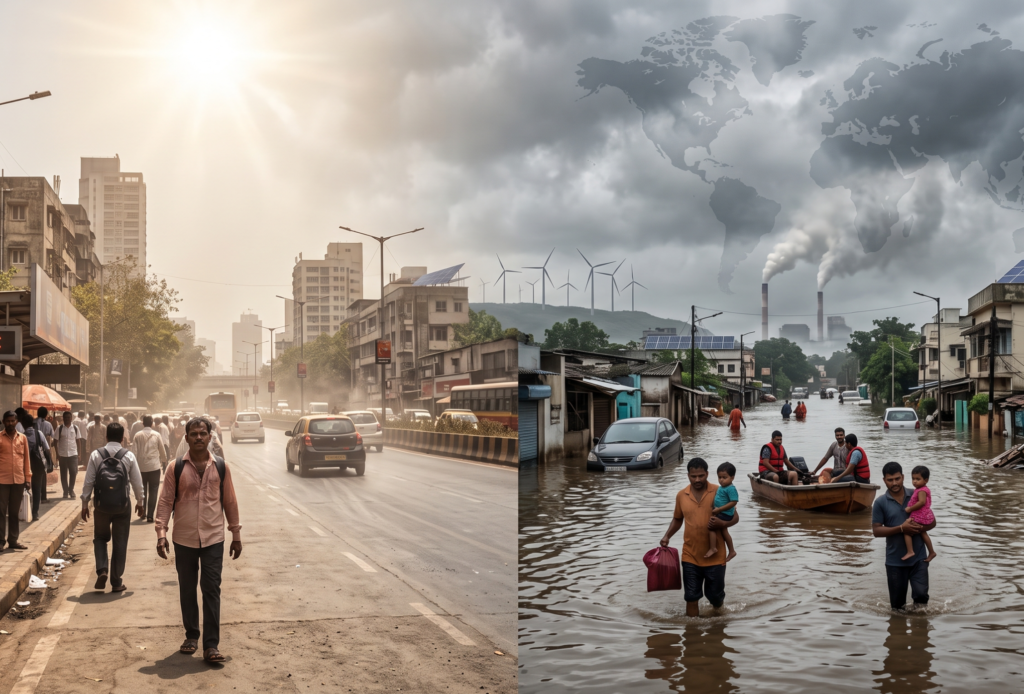
Split-scene illustration showing the impact of global climate change, with a heatwave-affected city on one side and flooded coastal areas on the other, symbolizing extreme weather, environmental disruption, and the global climate crisis. Wind turbines and solar panels appear in the background representing renewable energy transition.
generated by google gemini

Rising Environmental Risks Across the Globe

The world is facing a steady increase in climate-related challenges. Experts from scientific communities, governments, and international organizations are warning that environmental risks are growing faster than expected. These changes are being driven by extreme weather, industrial activity, and shifting global policies. Together, they are reshaping both ecosystems and economic systems.

Extreme Weather Is Becoming More Frequent

In many regions, weather patterns are becoming more unpredictable. Heatwaves in Europe have become more intense in recent months. These events have disrupted daily life and placed pressure on healthcare systems. In some cases, emergency measures were required to protect public safety.

Researchers link these changes to long-term global warming. Rising greenhouse gas emissions are increasing the likelihood of extreme heat events. As a result, record-breaking temperatures are becoming more common in several parts of the world.

Funding Gaps in Climate Adaptation

Global leaders are calling for stronger financial support for climate adaptation. International organizations, including the United Nations, have highlighted a major concern. Many vulnerable countries still do not have enough funding to prepare for floods, droughts, and rising sea levels.

These regions often face the worst impacts of climate change. However, their contribution to global emissions is very low. Experts argue that stronger investment in resilience is necessary. Without it, long-term damage in these countries will continue to increase.

Environmental Impact of Digital Infrastructure

The rapid growth of digital technology is also creating new environmental concerns. Data centers that power artificial intelligence and cloud systems require large amounts of electricity and water.

Environmental analysts warn that this demand could increase global emissions if clean energy is not adopted quickly. Some governments are now considering stricter reporting rules. They are also encouraging companies to shift toward renewable energy sources.

Rising Climate-Related Legal Actions

Courts in many countries are seeing more climate-related cases. These cases often focus on industrial pollution, energy use, and environmental responsibility.

Most lawsuits do not aim to stop development completely. Instead, they push for stronger environmental compliance. The goal is to ensure that industries follow sustainability standards and reduce harm to the environment.

Agriculture Under Climate Stress

The agriculture sector is also under pressure due to changing weather conditions. Irregular rainfall and rising temperatures are affecting crop production in many regions.

Farmers are finding it harder to plan planting cycles. Governments are responding by reviewing water management systems and agricultural support programs.

Experts warn that continued instability could affect food supply chains. It may also lead to price fluctuations in essential commodities.

Clean Energy Transition Is Expanding

Despite these challenges, progress toward clean energy continues. Many countries are increasing investment in renewable energy. Businesses are also adopting energy-efficient systems and low-carbon technologies.

However, climate experts say the current progress is still not enough. They believe stronger action is required to meet long-term climate targets.

The Road Ahead for Global Climate Action

Experts agree that the coming years are critical. The world must balance economic growth, technology expansion, and environmental protection.

This balance is becoming harder to achieve. Because of this, coordinated global action is more important than ever.

Global Sustainability and ESG Insights: March 2026

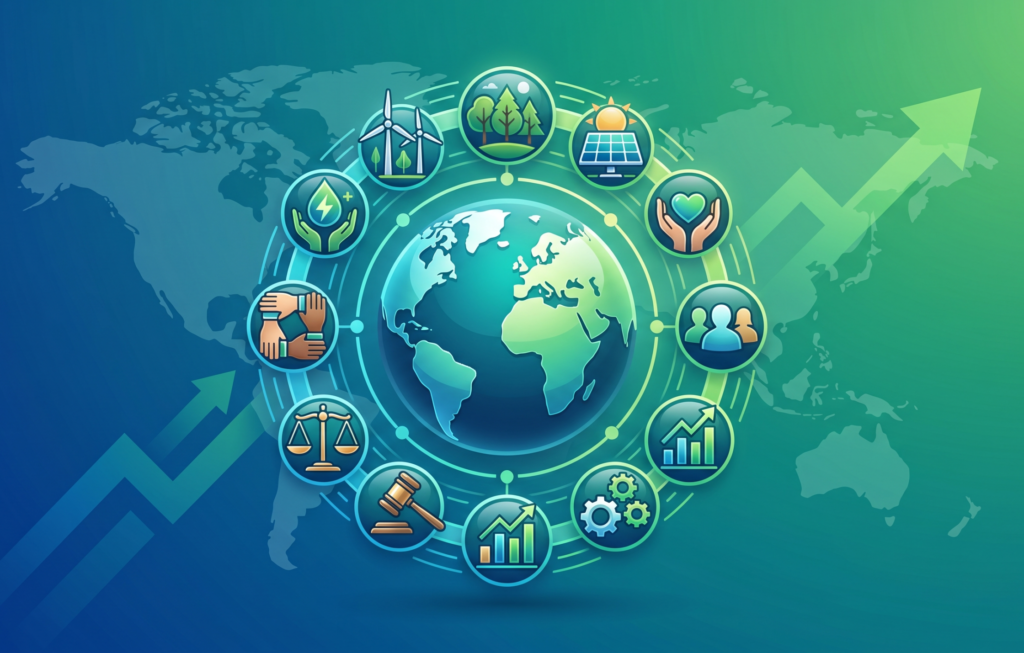
give me the alt text for this image A professional digital illustration of a glowing globe encircled by icons for ESG themes: wind turbines and forests for environment, diverse hands linking for social responsibility, and scales with charts for governance. Blue-green gradient background with faint world map and upward arrows, conveying global sustainability compliance and growth.
generated by google gemini

Sustainability and ESG regulations are evolving at a rapid pace, and March 2026 stands out as a month of significant global movement. Businesses across industries are being pushed to rethink how they approach environmental, social, and governance frameworks. Staying compliant is no longer enough. Companies now need to adapt quickly and strategically to remain competitive in a changing regulatory landscape.

A Snapshot of Recent Developments

According to the latest insights from Eversheds Sutherland, the March 2026 report marks two years of tracking more than 590 sustainability regulations worldwide. This milestone highlights just how quickly ESG expectations are expanding across regions.

Recent updates show a strong focus on energy policy reforms, climate disclosures, and cross-border environmental accountability. In the United Kingdom, consultations around energy infrastructure are shaping future investment decisions. At the same time, Europe is moving forward with mechanisms that directly impact global trade emissions.

Major Regional ESG Updates

The UK is actively consulting on energy infrastructure policies. These discussions are expected to influence how large-scale energy projects are approved and financed, especially those tied to renewable energy expansion.

European Union

The European Union has reinforced its commitment to the Carbon Border Adjustment Mechanism. This policy will affect import costs by factoring in carbon emissions, pushing global suppliers to align with stricter environmental standards.

United States

In the United States, the House of Representatives has advanced major climate legislation. This signals a move toward stronger federal oversight and more structured climate disclosure requirements for businesses.

Hong Kong

Hong Kong has launched consultations on its biodiversity strategy. Businesses operating in the region will need to consider nature-related risks and integrate environmental protection into their long-term planning.

Emerging Global ESG Trends

Several global patterns are becoming clear:

  • The Global Reporting Initiative has introduced updates to labor disclosure standards, encouraging companies to provide deeper insights into workforce practices and conditions.
  • China is setting a strong example in Asia with its national climate reporting standard, raising expectations for transparency across the region.
  • The UAE has taken steps to address human rights concerns by ratifying protocols aimed at eliminating forced labor.
  • Europe has finalized stricter corporate sustainability reporting and due diligence rules, requiring companies to conduct detailed audits of their supply chains.

These developments reflect a global shift toward accountability, transparency, and measurable ESG performance.

What This Means for Businesses

For companies, the message is clear. ESG is no longer a side initiative. It is becoming a core part of business strategy.

Organizations should focus on:

  • Building robust compliance systems that adapt to changing regulations
  • Strengthening internal processes for climate and labor disclosures
  • Using scenario planning to manage risks related to sustainability claims and human rights
  • Exploring innovation opportunities created by new regulations

With emerging leadership in regions like China and parts of Africa, businesses that act early can gain a competitive advantage. The key is to move beyond basic compliance and develop resilient ESG frameworks that support long-term growth.

Conclusion

March 2026 highlights how quickly sustainability regulations are transforming the global business environment. Companies that stay informed and proactive will be better positioned to navigate these changes. By aligning strategy with evolving ESG standards, businesses can not only reduce risk but also unlock new opportunities for innovation and responsible growth.