Tag Archives: circular economy

Apple Sets a New Benchmark in Sustainability with Increased Use of Recycled Materials

Apple devices including an iPhone, Apple Watch, and MacBook arranged on a light wooden table, with subtle circular arrows or recycling icons around them to represent sustainable, recycled materials, in a soft green and white eco‑friendly color palette.
generated by google gemini

Sustainability is no longer just a corporate responsibility. It has become a defining factor for global technology leaders. Apple Inc. is once again pushing the boundaries by significantly increasing the use of recycled materials across its products. In 2025, the company reached a major milestone, with 30 percent of the materials used in its shipped products coming from recycled sources. This marks the highest level the company has achieved so far and reflects its long-term commitment to reducing environmental impact while working toward its 2030 climate goals.

A Significant Leap in Recycled Material Usage

According to Apple’s latest Environmental Progress Report, the company has made steady progress in integrating recycled materials into its product ecosystem. This achievement is not limited to a single product category. It spans across iPhones, Macs, Apple Watches, and AirPods.

The 30 percent milestone highlights a thoughtful approach to product design. Apple is focusing not only on performance and innovation but also on reducing reliance on newly mined resources. This shift indicates a broader transformation in how modern devices are built and how sustainability is becoming central to product development.

Key Environmental Achievements

Apple’s sustainability progress extends beyond just recycled material usage. The company has introduced several impactful initiatives that strengthen its environmental strategy.

100 Percent Recycled Cobalt in Batteries

Apple has transitioned to using fully recycled cobalt in its batteries. This move reduces dependence on mining activities, which often have significant environmental and social consequences.

Transition to Plastic-Free Packaging

The company has removed plastic from its packaging materials and replaced it with alternatives that are easier to recycle or compost. This step plays an important role in reducing waste generated during product delivery.

Advancing Water Conservation Efforts

Apple has also made progress in water stewardship. It has successfully replenished more than half of the water used in its corporate operations through various conservation projects that support local ecosystems.

Extending the Life of Apple Devices

A key part of Apple’s sustainability strategy is increasing the lifespan of its products. In 2025, the company refurbished and resold approximately 15.6 million devices and accessories. By giving products a second life, Apple is actively reducing electronic waste and supporting a circular economy.

This approach encourages reuse and recycling rather than disposal, helping minimize the environmental footprint associated with electronic products.

Encouraging Responsible Recycling on Earth Day

As part of its Earth Day initiatives, Apple is motivating customers to take part in recycling efforts. Customers who return eligible devices at participating Apple Store locations can receive discounts on accessories.

This initiative creates awareness about responsible disposal while also offering incentives for consumers to make environmentally conscious choices.

Driving Change Through Innovation and Partnerships

Apple’s progress in sustainability is supported by continuous innovation and strong collaboration across its supply chain. By setting higher standards for recycled material usage, the company is influencing the broader technology industry to adopt similar practices.

This leadership demonstrates that environmental responsibility and business growth can go hand in hand when supported by the right strategies and partnerships.

Conclusion

Apple’s achievement of using 30 percent recycled materials across its products represents a meaningful step toward a more sustainable future. From eliminating plastic in packaging to extending product lifecycles, the company is making consistent efforts to reduce its environmental impact.

As Apple continues to innovate, it sets a practical example for the global tech industry. Its approach shows that sustainability is not just an option but an essential part of building the future of technology.

BASF Showcases Sustainable Plastics Innovations at PlastIndia 2026

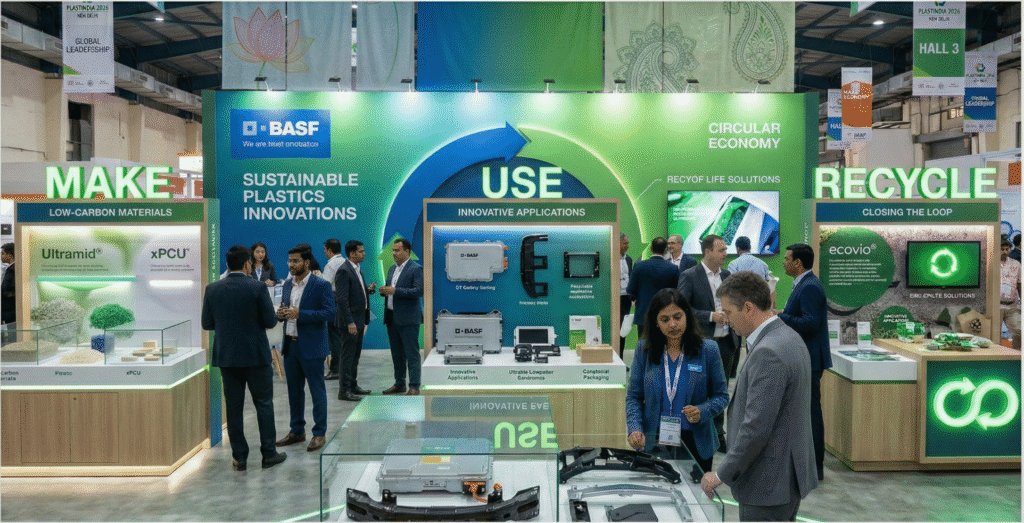
Photorealistic image of BASF's vibrant exhibition booth at PlastIndia 2026 in New Delhi, featuring sustainable plastics displays with recyclable automotive parts, biodegradable packaging, and consumer electronics components in Make, Use, and Recycle zones, surrounded by professionals, glowing recycling symbols, and green-blue circular economy theme.
generated by google gemini

The global plastics industry is undergoing a major transformation, and BASF is positioning itself at the forefront of this shift. As preparations for PlastIndia 2026 gain momentum, the company is set to present its latest advancements focused on sustainability and responsible plastic use.

PlastIndia 2026: A Key Industry Gathering

Scheduled from February 5 to 10, PlastIndia 2026 will bring together industry leaders, innovators, and manufacturers from across the globe. The event serves as a platform to explore new technologies, emerging trends, and practical solutions in the plastics sector.

BASF plans to use this opportunity to showcase how its innovations are not just concepts but real-world applications that industries can adopt today.

BASF’s Approach to Sustainable Plastics

BASF’s strategy is built around a clear and structured vision. The company focuses on three critical stages of the plastic lifecycle:

1. Responsible Production

The first step involves producing plastics with a reduced environmental footprint. BASF is investing in advanced processes that lower emissions and minimize resource consumption during manufacturing.

2. Efficient Usage

Beyond production, the company emphasizes designing plastics that perform better and last longer. This helps industries create high-quality products while using fewer materials.

3. Advanced Recycling

Recycling remains a key pillar of BASF’s sustainability efforts. The company is working on innovative recycling technologies that improve material recovery and reduce waste.

Together, these steps contribute to building a circular system where plastics are reused and repurposed instead of discarded.

Driving a Circular Economy

The concept of a circular economy is central to BASF’s showcase. By focusing on reuse and recycling, the company aims to reduce dependency on raw materials and cut down environmental impact.

This approach not only benefits the planet but also supports businesses in meeting stricter sustainability regulations and consumer expectations.

BASF’s Commitment to Innovation

As a global leader in the chemical industry, BASF continues to invest in solutions that balance performance with environmental responsibility. Its participation in PlastIndia 2026 reflects a long-term commitment to collaborating with industries for greener alternatives.

The company’s efforts highlight how innovation can play a crucial role in solving some of the biggest environmental challenges associated with plastics.

Why This Matters for the Industry

Sustainability is no longer optional for manufacturers. With increasing demand for eco-friendly packaging and products, companies must adapt quickly.

BASF’s solutions offer practical ways to:

  • Reduce carbon emissions
  • Improve recyclability
  • Enhance product efficiency

Visitors at PlastIndia 2026 can expect interactive demonstrations that clearly show how these innovations work in real-life applications.

Conclusion

BASF’s presence at PlastIndia 2026 signals a strong push toward a more sustainable future for plastics. By addressing the entire lifecycle of plastic products, the company is helping industries move closer to responsible production and consumption.

As sustainability becomes a key driver in global markets, initiatives like these will play a vital role in shaping the future of materials and manufacturing.

Revolutionizing Sustainability Through Bold Innovation

Young woman smiling confidently while holding a small windmill model, representing hands-on renewable energy innovation and youth-led sustainable technology.
Royalty free image via pexels.

Sustainability is no longer just about reducing harm. It is about reimagining how systems work from the ground up. Today, innovation is playing a central role in building a future where environmental health, social well-being, and economic growth can coexist.

Young innovators, in particular, are driving this transformation. With fresh perspectives and fewer limitations, they are designing solutions that restore ecosystems, strengthen communities, and create long-term value.

What Is Sustainable Innovation

Sustainable innovation focuses on redesigning how we use resources, produce goods, and consume services. It aims to align human activity with the limits of the planet while ensuring fairness and economic stability.

Instead of making small improvements, this approach challenges existing systems. It asks a fundamental question: should the current model exist at all?

For example, rather than improving efficiency in traditional manufacturing, sustainable innovation promotes circular systems where materials are reused, waste is minimized, and ecosystems are supported rather than depleted.

Key Types of Sustainable Innovation

Sustainable innovation can take different forms, each contributing to long-term impact in its own way.

1. Product Innovation

This focuses on creating eco-friendly products or services. Examples include apps that reduce food waste or sustainable packaging alternatives. These innovations influence consumer behavior and encourage responsible choices.

2. Process Innovation

Process improvements aim to make production more efficient and less harmful. This could involve using renewable inputs, reducing emissions, or minimizing waste during manufacturing.

3. Technological Innovation

Advanced technologies help scale sustainability solutions. Renewable energy systems, smart grids, and energy storage technologies are examples that enable widespread impact.

4. Organizational Innovation

This involves changing how businesses operate internally. Companies adopt circular models, sustainable supply chains, and ethical practices that reshape their overall structure.

5. Market Innovation

Market-based solutions redefine value systems. Repair services, sharing economies, and carbon pricing models shift how businesses and consumers interact economically.

When these approaches are combined, their impact becomes even stronger. For instance, electric vehicles become more effective when supported by clean energy infrastructure and updated market systems.

Characteristics of Successful Sustainable Innovation

Not all innovation leads to meaningful sustainability. Successful solutions share a few important traits:

  • They focus on long-term impact rather than short-term gains
  • They address root causes instead of surface-level problems
  • They respect planetary boundaries and resource limits
  • They create value for multiple stakeholders, including communities and ecosystems

Scalability is also critical. A solution must grow without causing unintended harm elsewhere. Early evaluation helps ensure that ideas are practical, inclusive, and effective.

The Role of Youth and Diverse Teams

Young innovators bring creativity and a willingness to challenge outdated systems. They are more open to experimentation and cross-disciplinary thinking, which is essential for solving complex sustainability challenges.

Diverse teams further strengthen innovation. When people from different backgrounds collaborate, they bring unique insights into cultural, economic, and environmental factors. This helps identify hidden challenges and develop solutions that work across regions.

Collaboration across borders also improves adoption. Local knowledge ensures that solutions are practical and accepted by communities.

Challenges in Sustainable Innovation

Despite its potential, sustainable innovation faces several barriers:

Limited Funding

Many sustainable projects require long-term investment, which can be difficult to secure. Combining grants, public funding, and private investment can help bridge this gap.

Lack of Collaboration

Different sectors often have conflicting priorities. Building strong partnerships between governments, businesses, and communities is essential.

Resistance to Change

Established systems can be difficult to shift. Engaging stakeholders early helps reduce resistance and build trust.

Adoption Barriers

Solutions sometimes fail because they do not fit local needs. Co-creating with communities ensures better usability and acceptance.

Addressing these challenges early allows innovators to adapt quickly and increase their chances of success.

Why Action Is Needed Now

The need for sustainable innovation has never been greater. Climate challenges, resource scarcity, and social inequalities demand bold and immediate action.

Initiatives like the Mars Challenge are empowering young people to think systemically and develop regenerative solutions. These platforms provide the tools, mentorship, and global networks needed to turn ideas into real-world impact.

Final Thoughts

Sustainable innovation is not just a trend. It is a necessary shift in how we design systems for the future. By focusing on regeneration, collaboration, and scalability, innovators can create solutions that benefit both people and the planet.

The next wave of change will be led by those willing to rethink the status quo. Now is the time to act, experiment, and build a more sustainable world.

Tackling Australia’s Lithium Battery Waste Crisis

Australia is stepping up its response to a rapidly growing environmental challenge. With the rise of electric vehicles, renewable energy storage, and consumer electronics, lithium-ion battery use has surged. Now, researchers across the country are receiving significant funding to develop advanced recycling solutions that can manage this wave of battery waste in a sustainable way.


The Rising Challenge of Battery Waste

Lithium-ion batteries have become essential to modern life. They power everything from electric cars to solar energy storage systems. However, their relatively short lifespan means they quickly turn into waste once they reach the end of their use.

Australia is expected to generate nearly 180,000 tonnes of battery waste every year by 2036. This creates serious environmental concerns if not handled properly.

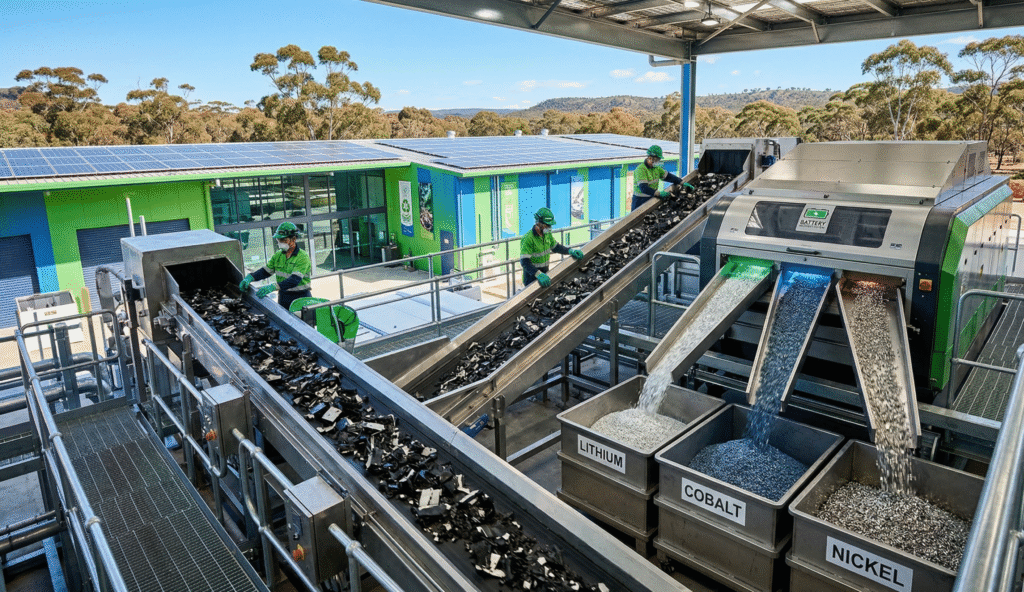
When disposed of incorrectly, these batteries can leak harmful chemicals into soil and water. At the same time, extracting fresh lithium and other metals puts pressure on natural resources and ecosystems. Recycling offers a practical solution by recovering valuable materials such as lithium, cobalt, and nickel, reducing the need for new mining.


Major Recycling Projects Driving Change

To address this issue, several research institutions and companies are working on innovative recycling technologies with the help of government funding.

At Griffith University, Dr. Zhenzhen Wu is leading a project supported by a 280,000 dollar AEA Seed Grant. The focus is on improving battery recycling technologies in collaboration with ENVIROforce.

The University of New South Wales is also playing a key role. A team led by Professor Guan Yeoh has received 2.7 million dollars to develop a micro-isolation process for extracting valuable materials from what is known as black mass. This project is being carried out in partnership with Oxleigh.

Another major initiative involves the Oxleigh CRC-P project, which has secured 2.75 million dollars to build local, sustainable recycling capabilities. This effort brings together UNSW and Envirostream to strengthen Australia’s recycling infrastructure.

Livium has also received 850,000 dollars in funding from the Western Australian Government. The company is developing a collection and sorting facility to improve how used batteries are handled and processed.

Together, these projects are helping scale up safe and efficient methods to process shredded battery materials.


Sustainability and Economic Benefits

Battery recycling is not only an environmental necessity but also an economic opportunity. By recovering critical materials, Australia can reduce its reliance on imported resources and strengthen its supply chain.

New facilities are already creating jobs in the green economy. For example, a recycling plant in Newcastle is expected to handle around 2,000 tonnes of battery waste each year while generating approximately 20 new jobs.

Advanced sorting technologies are also making a difference. They can increase material recovery rates by up to 30 percent, making recycling more efficient and cost-effective. This supports the development of a circular economy, where resources are reused instead of discarded.


The Road Ahead

Collaboration between researchers, industry leaders, and policymakers is key to solving the battery waste problem. Continued investment in technologies such as membrane separation and chemical processing will help bring these solutions to a commercial scale.

Government support through grants and funding programs is accelerating progress. With these efforts, Australia is positioning itself as a global leader in sustainable battery recycling.


Conclusion

Australia’s approach to lithium-ion battery waste shows how innovation and collaboration can tackle complex environmental challenges. As battery use continues to grow, developing efficient recycling systems will be critical for protecting the environment and ensuring long-term resource security.

Sustainable Innovation as a Driver of Business Growth

A glowing light bulb rests on a wooden table, symbolizing innovative ideas and sustainable energy solutions.
Royalty free image via pexels.

Sustainable innovation has become a powerful force for business growth while safeguarding the environment and supporting communities. Instead of relying on copied ideas or existing frameworks, companies can develop original strategies that deliver long-term value. By embedding sustainability into innovation, businesses strengthen resilience, improve trust, and unlock new growth opportunities.

Modern organizations are discovering that responsible innovation is not a limitation. It is a competitive advantage that aligns profitability with environmental and social responsibility.

Core Principles of Sustainable Innovation

At its foundation, sustainable innovation brings together three essential pillars: environmental responsibility, social impact, and economic performance. Successful businesses aim to reduce waste, lower emissions, and shift toward renewable resources while maintaining ethical and fair practices across operations.

This balanced approach ensures that growth does not come at the expense of natural resources or communities. Instead, it creates lasting value by aligning business success with long-term planetary health.

Key Strategies for Sustainable Business Innovation

Effective sustainable innovation begins with clearly defined goals. These goals should be connected to measurable outcomes such as reduced carbon emissions, improved energy efficiency, or lower material consumption.

Sustainability targets must be integrated into core business functions from the earliest stages. This includes product design, sourcing decisions, manufacturing processes, and supply chain management.

Building diverse teams is equally important. When technology experts, strategic planners, and ethics-focused professionals collaborate, businesses are more likely to develop innovative and responsible solutions.

To ensure real impact, companies can rely on tools such as lifecycle assessments. These tools help measure environmental and social effects across a product’s entire lifespan, from raw materials to end use.

Practical Steps Businesses Can Take

Organizations can begin by redesigning products using environmentally friendly materials and reducing unnecessary packaging. These changes significantly lower environmental impact while meeting consumer demand for sustainable products.

Strong supplier partnerships are another critical step. Transparent and ethical sourcing, combined with circular systems that reuse materials, helps create more resilient and responsible supply chains.

A culture of innovation also plays a major role. Encouraging employee participation through idea-sharing platforms, innovation labs, and continuous learning initiatives helps sustainability become part of everyday decision-making.

Success should be tracked using clear performance indicators. Metrics such as carbon footprint reduction, resource efficiency, and market adoption rates provide valuable insights into progress and impact.

Real-World Approaches to Sustainable Innovation

Many businesses are finding success by adopting circular economy models that prioritize recycling, reuse, and renewable inputs. Others use digital tools to increase supply chain transparency or develop products using plant-based and low-impact materials.

These real-world approaches demonstrate how sustainability challenges can be transformed into opportunities for innovation, differentiation, and growth.

How to Get Started with Sustainable Innovation

Business leaders should begin by setting realistic and measurable sustainability targets. Investing in green technologies and fostering cross-functional collaboration creates a strong foundation for innovation.

Staying adaptable is equally important. Emerging trends such as eco-design, digital optimization, and data-driven sustainability offer new ways to improve efficiency and reduce impact. By remaining flexible and forward-looking, companies can thrive in an increasingly resource-conscious global economy.

Pioneering Sustainability Through Innovation and Global Collaboration

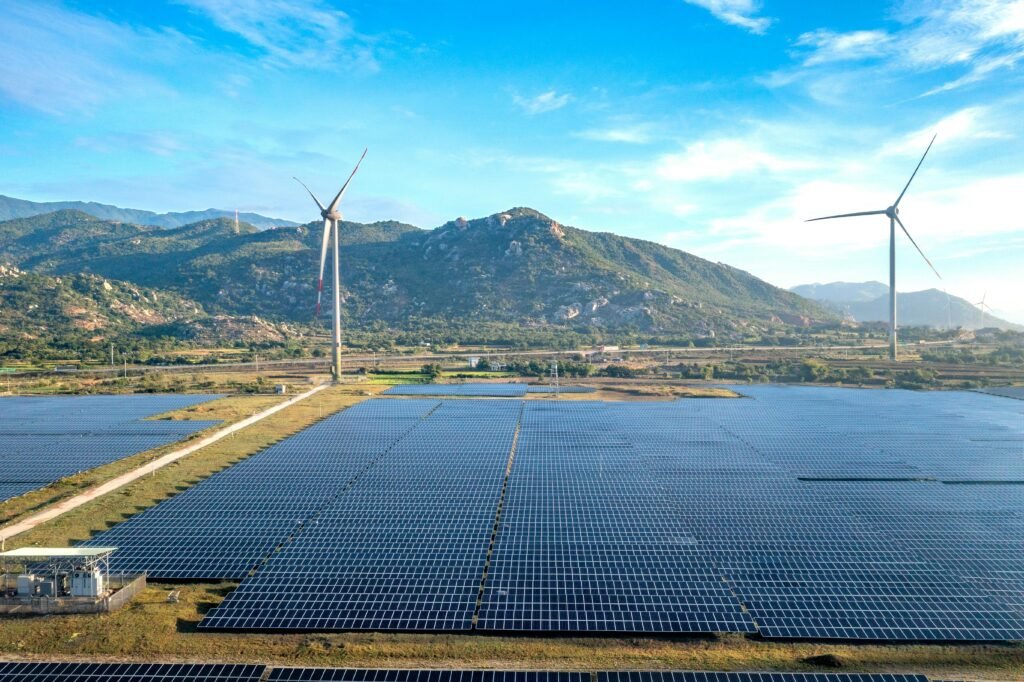
A hyper-realistic aerial view captures wind turbines and solar panels spanning arid hills in Vietnam's Ninh Thuan province, a leading renewable energy hub.
​
Royalty free image via pexels.

Sustainability has moved beyond long term promises and policy statements. Companies, institutions, and communities across the world now drive measurable climate action through innovation and collaboration. Recent updates from Green Sustainability Magazine show how organizations actively reduce emissions, strengthen circular economies, and accelerate renewable energy adoption.

These initiatives highlight a clear trend. Environmental responsibility and business growth can advance together when leaders invest in practical solutions.


Industry Leaders Accelerating Sustainable Change

The December 2025 edition highlights organizations that actively reshape sustainability across key industries.

Kemvera leads the transition toward carbon negative chemical production by using bio based feedstocks and carbon dioxide derived processes. This model cuts emissions while delivering scalable alternatives to traditional chemicals.

In agriculture, TIMAC AGRO Deutschland GmbH supports resilient farming through bio innovative tools that improve soil health and help farmers adapt to climate stress.

FluoroFusion addresses emissions from cooling systems by advancing refrigerant recycling and materials innovation, which reduces high impact greenhouse gases.

The edition also highlights global sustainable chemistry leadership from the American Chemical Society, low carbon energy development by Sizewell C, and low carbon engineering solutions from ANDRITZ. Forward looking architecture from RODE Architects further reinforces the role of design in climate resilience.


Sustainable Innovation From Earlier Editions

The October 2025 edition focused on progress in materials, manufacturing, and circular systems.

Brenntag continues to improve greener chemical distribution through optimized logistics and responsible sourcing. At the same time, BEWI Group expands polystyrene recycling infrastructure across Europe.

Manufacturers such as Midas Pattern Company now deliver carbon neutral polyurethane tooling without sacrificing performance.

Additional contributions from Zest Associates, Thinking Adrenaline, Capsum, and MAJOR FLEX-MAT show how sustainability strategies can strengthen brand value.

Circular economy leadership also comes from North American Mattress Upcycling, Whitefox Technologies, and Wind Harvest, all of which link environmental impact with commercial success.


Global Events and Strategic Partnerships

International collaboration continues to play a central role in climate progress.

The European Congress on Climate Change and Environmental Sustainability, held on November 6–7, 2025 in Vienna, brings together experts to address carbon strategies, sustainable agriculture, resilient infrastructure, environmental justice, and climate focused technologies.

Green Sustainability Magazine works with Better Planet Education to provide climate and biodiversity learning resources for young audiences.

Community focused action also remains a priority. Support for Project Apis CIC in Norfolk strengthens pollinator protection while improving mental wellbeing and social inclusion through accessible beekeeping programs.

The magazine also supports the 3rd World Congress on Recycling and Waste Management in Singapore from April 13–15, 2026, along with initiatives from The Rivers Trust, which leads river restoration through nature based solutions.


Sustainability Progress Across Key Industries

Major industries continue to integrate sustainability into core operations.

The Mærsk Mc-Kinney Møller Center advances zero carbon shipping by developing green corridors, multi fuel modeling, and cross sector partnerships.

Hunt’s Food Group achieved B Corp certification by investing in solar energy, optimizing delivery routes, and redistributing surplus food to reduce waste.

Vermeer UK & Ireland expands its sustainable infrastructure portfolio through electric drilling equipment and low emission fleet transitions.

Technology driven energy solutions from RJ Power integrate artificial intelligence monitoring and advanced battery systems.

In hospitality, The Wellbeing Farm delivers certified B Corp events using off grid power and reusable decor. Meanwhile, Blooming Color transforms printing through on demand digital production and closed loop recycling.


Energy and Agriculture Innovations Shaping the Future

Transport, renewable energy, and industrial heating continue to evolve rapidly.

Volvo Trucks targets net zero emissions by 2040 through electric urban trucks, hydrogen powered long haul vehicles, green steel adoption, biogas, and circular battery reuse.

Eurowind Energy expands wind, solar, and green hydrogen projects across Southern Europe while strengthening local partnerships and digital optimization.

In industrial heating, ACME Engineering Products leads electrode boiler deployment to support clean energy transitions, particularly in China and the Middle East.


A Clear Path Forward for Global Sustainability

These developments point to a shared global direction. Organizations now treat sustainability as a driver of innovation, resilience, and long term value. As these solutions scale, they strengthen both environmental protection and economic stability.

Why Recycling Matters More Than Ever Today

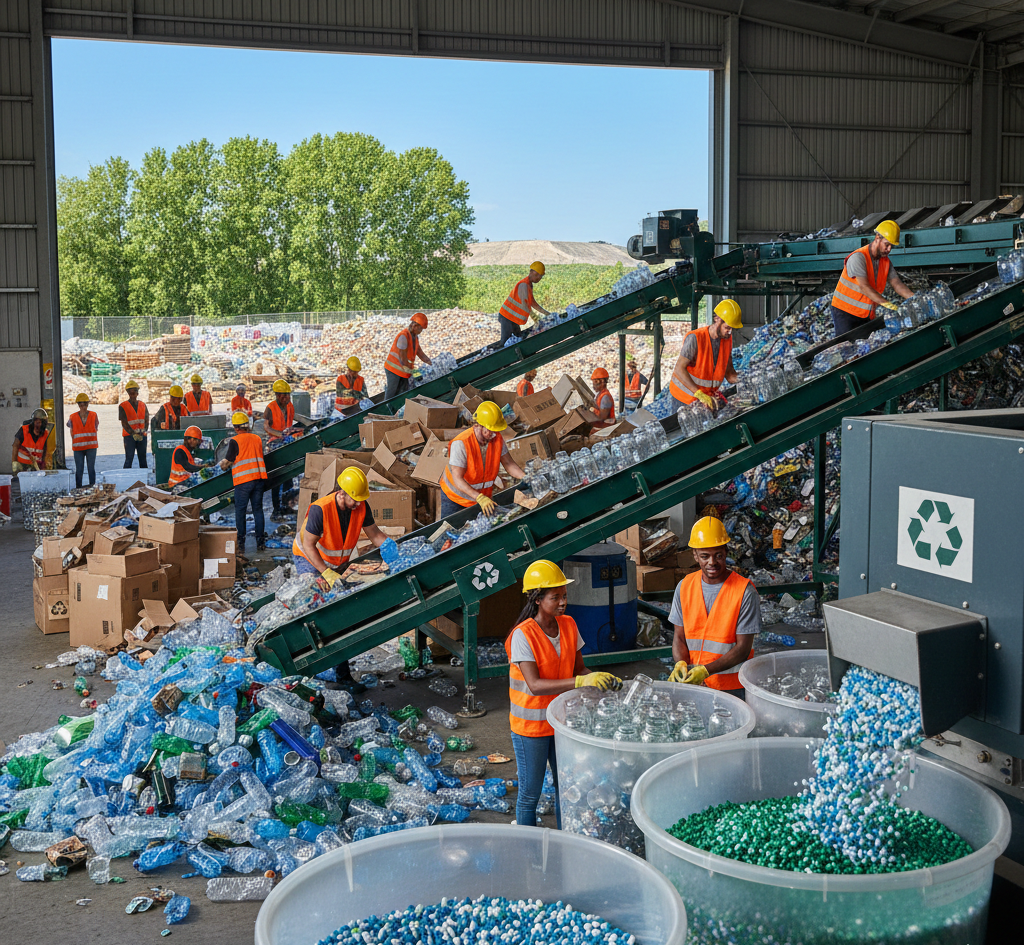
A bustling indoor recycling facility with diverse workers in orange safety vests and yellow hard hats sorting plastic bottles, cans, and cardboard on conveyor belts. In the foreground, a machine with a green recycling symbol pours fresh blue and green plastic pellets into bins. The background shows lush green trees and a clear blue sky through a large open warehouse door.
generated by google gemini

Take a moment to observe your surroundings at home or at work. You will likely notice plastic bottles, cardboard cartons, paper documents and electronic devices everywhere. Each of these products began its journey as a natural resource taken from the earth. When such items are discarded after limited use, valuable materials are lost and waste sites continue to grow.

Recycling offers a practical solution to this challenge. It helps conserve resources, reduce pollution and support a more sustainable economic system. As environmental pressures increase, recycling has become more important than ever.

This blog explains what recycling really involves, why it plays a vital role for the environment and the economy, and how responsible recycling practices are transforming waste into valuable resources.


Understanding What Recycling Really Means

Recycling is the process of collecting materials that have reached the end of their usable life and converting them back into raw materials that can be used again. Instead of sending waste to landfills or incinerators, recycling keeps materials within the production cycle.

Materials commonly recycled include:

  • Plastic bottles, containers and packaging
  • Paper and cardboard from offices and households
  • Metals such as aluminium cans and steel
  • Glass bottles and jars
  • Selected types of electronic waste and textiles

Successful recycling begins with proper waste segregation. When households and businesses separate recyclable materials from organic and non recyclable waste, the recycling process becomes more efficient and cost effective.


Environmental Benefits of Recycling

Conserving Natural Resources

Producing new goods from virgin materials requires extensive extraction, processing and transportation. These activities contribute to deforestation, mining damage and depletion of fossil resources. Recycling reduces the need for fresh extraction and helps preserve natural ecosystems.

For instance, recycling plastic lowers the demand for fossil fuels, recycling paper reduces pressure on forests, and recycling metals decreases reliance on energy intensive mining operations. Using existing materials helps safeguard resources for future generations.

Reducing Greenhouse Gas Emissions

Manufacturing products from recycled materials generally consumes less energy than using raw resources. Lower energy use directly translates into reduced greenhouse gas emissions.

Recycled aluminium requires significantly less energy than aluminium produced from ore. Recycled plastics also reduce energy consumption in packaging production. Additionally, diverting waste from landfills helps reduce methane emissions, which are a major contributor to climate change.

While recycling alone cannot stop climate change, it remains one of the most accessible and impactful actions available today.

Cutting Landfill and Ocean Pollution

Landfills are reaching capacity in many regions, creating environmental and public health concerns. Poorly managed waste often finds its way into rivers and oceans, contributing to marine pollution.

Recycling helps by diverting large volumes of plastic, paper and metal away from disposal sites. It also supports organised waste collection systems that reduce leakage into the environment. Proper recycling significantly lowers the risk of waste becoming litter or ocean debris.


Economic and Social Benefits of Recycling

Job Creation and Local Growth

Recycling supports a wide range of employment opportunities across the value chain. Jobs are created in waste collection, material sorting, processing facilities, manufacturing and recycling technology development.

These activities strengthen local economies, promote innovation and provide livelihoods across various skill levels.

Cost Efficiency for Businesses

Businesses that adopt recycling and recycled materials often experience long term cost benefits. Using recycled inputs can reduce raw material expenses, lower waste disposal costs and improve supply chain stability during market fluctuations.

In addition, companies that prioritise sustainable material use often build stronger trust with customers. Environmental responsibility is increasingly influencing purchasing decisions and brand reputation.

Regulatory Compliance and Future Preparedness

Governments worldwide are implementing stricter waste management and producer responsibility regulations. Businesses that adapt early by improving recycling practices are better positioned to meet future requirements.

This includes readiness for extended producer responsibility rules, mandatory recycling targets and restrictions on certain single use plastics. Proactive action reduces regulatory risk and enhances long term resilience.


The Importance of Responsible Recycling

Not all recycling delivers the same outcomes. Responsible recycling focuses on quality, traceability and safety to ensure recycled materials can replace virgin materials in demanding applications.

Key aspects of responsible recycling include reliable collection systems, advanced sorting and cleaning technologies, consistent quality testing and collaboration with manufacturers to design recyclable products from the start.

When these elements are in place, recycled materials can meet high performance standards while supporting sustainability goals.


Practical Steps You Can Take Today

Every individual and organisation plays a role in strengthening the recycling ecosystem.

You can start by segregating waste at home and at work, understanding local recycling guidelines, choosing products made with recycled content and supporting brands committed to circular practices. Sharing knowledge about recycling within your community also helps build long term awareness.

Small actions, when repeated consistently, can divert significant amounts of waste from landfills and return valuable materials to productive use.

Sustainability Becomes Core to Business Strategy in 2026

A large pile of discarded household garbage and waste materials sits on a dirt field under an overcast sky, illustrating the environmental impact of poor waste management.
Royalty free image via pexels.

Sustainability is no longer treated as a side initiative in 2026. It has become a central part of how businesses operate, plan, and grow. Companies across sectors are integrating sustainability into everyday decisions to improve efficiency, manage risks, and strengthen long-term resilience. This shift reflects a broader understanding that sustainable practices directly support business performance and stability.

Organizations are focusing on areas such as energy efficiency, supply chain resilience, and smarter risk management. Innovations like circular business models and artificial intelligence are helping companies reduce waste, lower costs, and respond more effectively to changing market conditions.

Sustainability as a Strategic Priority

Businesses are now embedding sustainability into both short-term actions and long-term strategies. Rather than treating it as a reporting exercise, companies see it as essential to daily operations. Global sustainability reporting frameworks, including those developed by the International Sustainability Standards Board and the European Sustainability Reporting Standards, are becoming more aligned. This alignment is making compliance clearer and more manageable for large organizations.

As a result, transparency is improving across industries. Around 91 percent of major companies now disclose sustainability data, helping them track performance, reduce operational costs, and adapt to regulatory and market changes more efficiently.

Growing Focus on Circular Design

Circular design is shaping how products are created and delivered. Businesses are rethinking material choices, manufacturing methods, and packaging to reduce waste and extend product life. The goal is to design items that can be reused, repaired, or recycled rather than discarded.

Digital tools such as digital twins are playing a key role in this transition. These tools allow companies to simulate product lifecycles before production begins, helping teams identify improvements early. Many leading organizations now apply circular principles to all new products and packaging, making sustainability more practical and scalable.

Advancing Energy Systems for Resilience

Energy systems are undergoing significant upgrades to meet rising demand and improve reliability. Large infrastructure projects are being combined with local solutions like microgrids and smart buildings. These systems provide more stable power while supporting energy efficiency at the community level.

Advanced networking technologies are enabling better monitoring and performance optimization. By reducing energy losses and improving system reliability, these innovations help utilities and businesses prepare for future challenges related to energy security and climate risks.

Managing the Energy Impact of AI

The rapid growth of artificial intelligence is increasing electricity demand, particularly in data centers. Energy use in these facilities is expected to rise sharply by 2030. To address this challenge, companies are investing in more efficient networks and smarter load management systems.

These improvements allow infrastructure to handle complex AI workloads without placing excessive pressure on energy resources. Preparing for AI-driven growth is now a critical part of sustainable energy planning.

Preparing for the Quantum Era

Quantum technology is moving from theory to practical preparation. Businesses and governments are beginning to focus on quantum-ready infrastructure, especially in areas such as secure communication and cryptography. Strong partnerships are helping advance fault-tolerant systems that could support future applications in energy optimization and climate modeling.

Early planning is helping organizations build trust, security, and adaptability as quantum technologies continue to develop.

Looking Ahead

Success in 2026 depends on collaboration, smart technology choices, and a strong focus on security and scalability. By integrating sustainability into core operations and embracing innovation, businesses can build resilience while supporting long-term economic and environmental goals.