Tag Archives: recycled materials

Apple Sets a New Benchmark in Sustainability with Increased Use of Recycled Materials

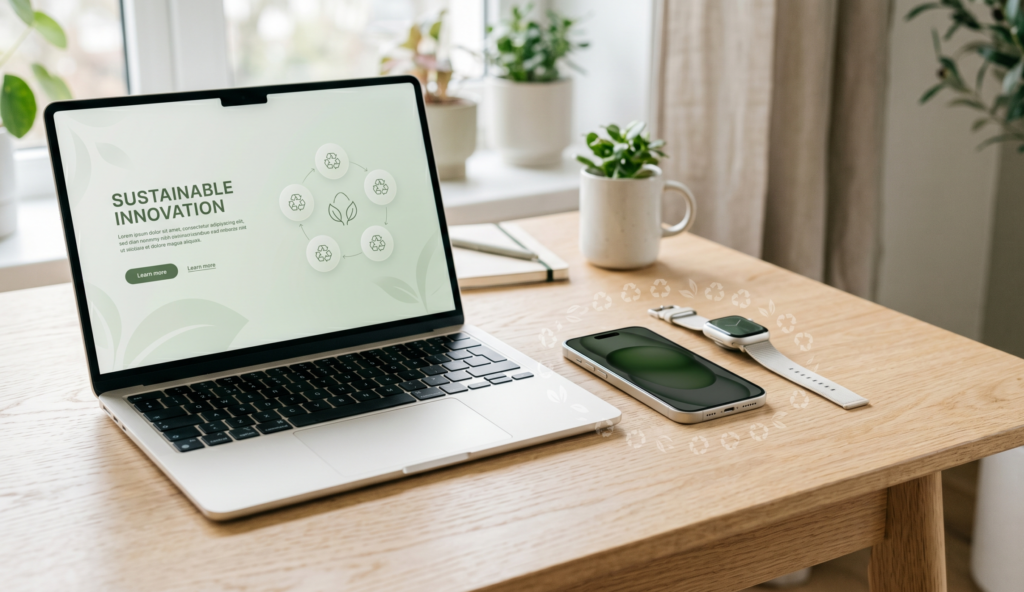
Apple devices including an iPhone, Apple Watch, and MacBook arranged on a light wooden table, with subtle circular arrows or recycling icons around them to represent sustainable, recycled materials, in a soft green and white eco‑friendly color palette.
generated by google gemini

Sustainability is no longer just a corporate responsibility. It has become a defining factor for global technology leaders. Apple Inc. is once again pushing the boundaries by significantly increasing the use of recycled materials across its products. In 2025, the company reached a major milestone, with 30 percent of the materials used in its shipped products coming from recycled sources. This marks the highest level the company has achieved so far and reflects its long-term commitment to reducing environmental impact while working toward its 2030 climate goals.

A Significant Leap in Recycled Material Usage

According to Apple’s latest Environmental Progress Report, the company has made steady progress in integrating recycled materials into its product ecosystem. This achievement is not limited to a single product category. It spans across iPhones, Macs, Apple Watches, and AirPods.

The 30 percent milestone highlights a thoughtful approach to product design. Apple is focusing not only on performance and innovation but also on reducing reliance on newly mined resources. This shift indicates a broader transformation in how modern devices are built and how sustainability is becoming central to product development.

Key Environmental Achievements

Apple’s sustainability progress extends beyond just recycled material usage. The company has introduced several impactful initiatives that strengthen its environmental strategy.

100 Percent Recycled Cobalt in Batteries

Apple has transitioned to using fully recycled cobalt in its batteries. This move reduces dependence on mining activities, which often have significant environmental and social consequences.

Transition to Plastic-Free Packaging

The company has removed plastic from its packaging materials and replaced it with alternatives that are easier to recycle or compost. This step plays an important role in reducing waste generated during product delivery.

Advancing Water Conservation Efforts

Apple has also made progress in water stewardship. It has successfully replenished more than half of the water used in its corporate operations through various conservation projects that support local ecosystems.

Extending the Life of Apple Devices

A key part of Apple’s sustainability strategy is increasing the lifespan of its products. In 2025, the company refurbished and resold approximately 15.6 million devices and accessories. By giving products a second life, Apple is actively reducing electronic waste and supporting a circular economy.

This approach encourages reuse and recycling rather than disposal, helping minimize the environmental footprint associated with electronic products.

Encouraging Responsible Recycling on Earth Day

As part of its Earth Day initiatives, Apple is motivating customers to take part in recycling efforts. Customers who return eligible devices at participating Apple Store locations can receive discounts on accessories.

This initiative creates awareness about responsible disposal while also offering incentives for consumers to make environmentally conscious choices.

Driving Change Through Innovation and Partnerships

Apple’s progress in sustainability is supported by continuous innovation and strong collaboration across its supply chain. By setting higher standards for recycled material usage, the company is influencing the broader technology industry to adopt similar practices.

This leadership demonstrates that environmental responsibility and business growth can go hand in hand when supported by the right strategies and partnerships.

Conclusion

Apple’s achievement of using 30 percent recycled materials across its products represents a meaningful step toward a more sustainable future. From eliminating plastic in packaging to extending product lifecycles, the company is making consistent efforts to reduce its environmental impact.

As Apple continues to innovate, it sets a practical example for the global tech industry. Its approach shows that sustainability is not just an option but an essential part of building the future of technology.
Why Recycling Matters More Than Ever Today

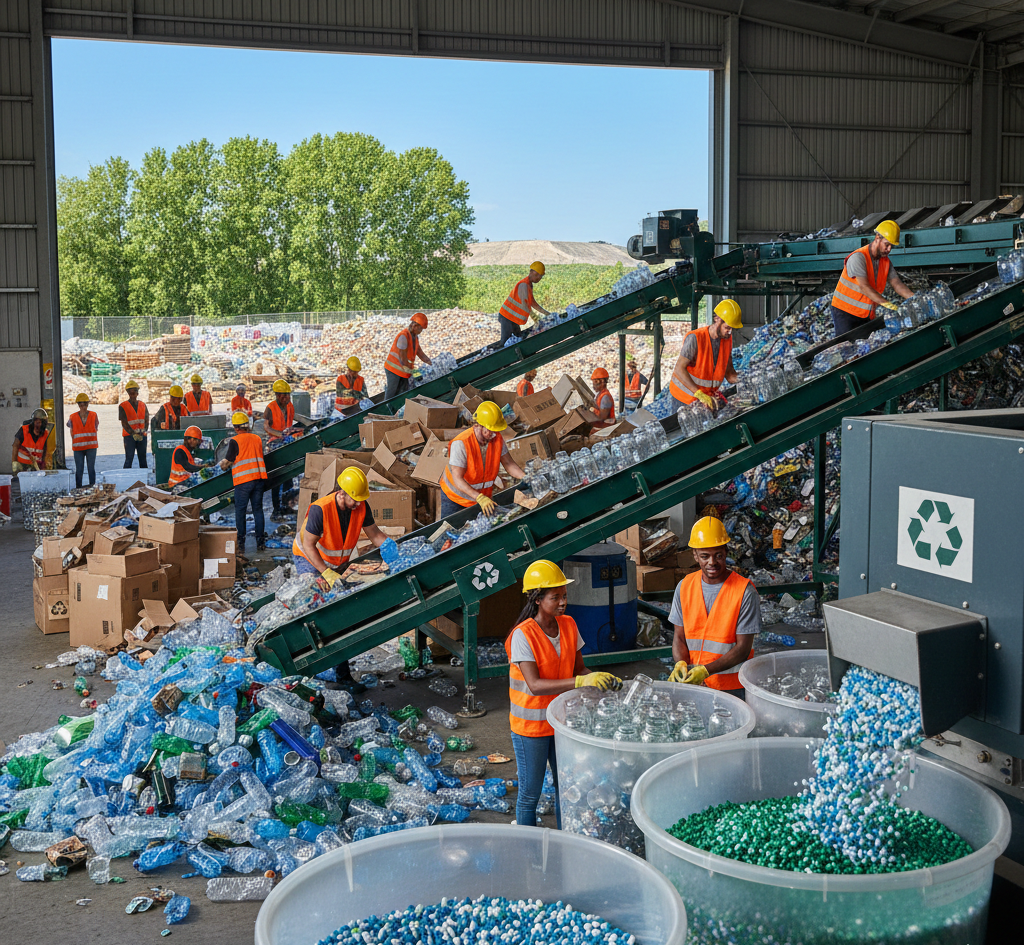
A bustling indoor recycling facility with diverse workers in orange safety vests and yellow hard hats sorting plastic bottles, cans, and cardboard on conveyor belts. In the foreground, a machine with a green recycling symbol pours fresh blue and green plastic pellets into bins. The background shows lush green trees and a clear blue sky through a large open warehouse door.
generated by google gemini

Take a moment to observe your surroundings at home or at work. You will likely notice plastic bottles, cardboard cartons, paper documents and electronic devices everywhere. Each of these products began its journey as a natural resource taken from the earth. When such items are discarded after limited use, valuable materials are lost and waste sites continue to grow.

Recycling offers a practical solution to this challenge. It helps conserve resources, reduce pollution and support a more sustainable economic system. As environmental pressures increase, recycling has become more important than ever.

This blog explains what recycling really involves, why it plays a vital role for the environment and the economy, and how responsible recycling practices are transforming waste into valuable resources.


Understanding What Recycling Really Means

Recycling is the process of collecting materials that have reached the end of their usable life and converting them back into raw materials that can be used again. Instead of sending waste to landfills or incinerators, recycling keeps materials within the production cycle.

Materials commonly recycled include:

  • Plastic bottles, containers and packaging
  • Paper and cardboard from offices and households
  • Metals such as aluminium cans and steel
  • Glass bottles and jars
  • Selected types of electronic waste and textiles

Successful recycling begins with proper waste segregation. When households and businesses separate recyclable materials from organic and non recyclable waste, the recycling process becomes more efficient and cost effective.


Environmental Benefits of Recycling

Conserving Natural Resources

Producing new goods from virgin materials requires extensive extraction, processing and transportation. These activities contribute to deforestation, mining damage and depletion of fossil resources. Recycling reduces the need for fresh extraction and helps preserve natural ecosystems.

For instance, recycling plastic lowers the demand for fossil fuels, recycling paper reduces pressure on forests, and recycling metals decreases reliance on energy intensive mining operations. Using existing materials helps safeguard resources for future generations.

Reducing Greenhouse Gas Emissions

Manufacturing products from recycled materials generally consumes less energy than using raw resources. Lower energy use directly translates into reduced greenhouse gas emissions.

Recycled aluminium requires significantly less energy than aluminium produced from ore. Recycled plastics also reduce energy consumption in packaging production. Additionally, diverting waste from landfills helps reduce methane emissions, which are a major contributor to climate change.

While recycling alone cannot stop climate change, it remains one of the most accessible and impactful actions available today.

Cutting Landfill and Ocean Pollution

Landfills are reaching capacity in many regions, creating environmental and public health concerns. Poorly managed waste often finds its way into rivers and oceans, contributing to marine pollution.

Recycling helps by diverting large volumes of plastic, paper and metal away from disposal sites. It also supports organised waste collection systems that reduce leakage into the environment. Proper recycling significantly lowers the risk of waste becoming litter or ocean debris.


Economic and Social Benefits of Recycling

Job Creation and Local Growth

Recycling supports a wide range of employment opportunities across the value chain. Jobs are created in waste collection, material sorting, processing facilities, manufacturing and recycling technology development.

These activities strengthen local economies, promote innovation and provide livelihoods across various skill levels.

Cost Efficiency for Businesses

Businesses that adopt recycling and recycled materials often experience long term cost benefits. Using recycled inputs can reduce raw material expenses, lower waste disposal costs and improve supply chain stability during market fluctuations.

In addition, companies that prioritise sustainable material use often build stronger trust with customers. Environmental responsibility is increasingly influencing purchasing decisions and brand reputation.

Regulatory Compliance and Future Preparedness

Governments worldwide are implementing stricter waste management and producer responsibility regulations. Businesses that adapt early by improving recycling practices are better positioned to meet future requirements.

This includes readiness for extended producer responsibility rules, mandatory recycling targets and restrictions on certain single use plastics. Proactive action reduces regulatory risk and enhances long term resilience.


The Importance of Responsible Recycling

Not all recycling delivers the same outcomes. Responsible recycling focuses on quality, traceability and safety to ensure recycled materials can replace virgin materials in demanding applications.

Key aspects of responsible recycling include reliable collection systems, advanced sorting and cleaning technologies, consistent quality testing and collaboration with manufacturers to design recyclable products from the start.

When these elements are in place, recycled materials can meet high performance standards while supporting sustainability goals.


Practical Steps You Can Take Today

Every individual and organisation plays a role in strengthening the recycling ecosystem.

You can start by segregating waste at home and at work, understanding local recycling guidelines, choosing products made with recycled content and supporting brands committed to circular practices. Sharing knowledge about recycling within your community also helps build long term awareness.

Small actions, when repeated consistently, can divert significant amounts of waste from landfills and return valuable materials to productive use.