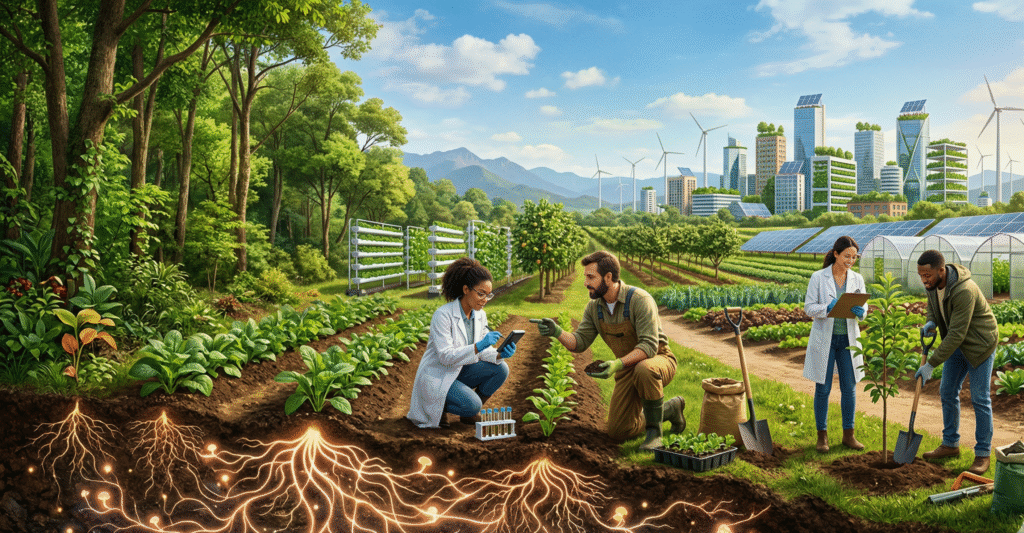
Climate concerns continue to shape global conversations, but 2026 is offering a refreshing shift in perspective. Alongside the challenges, there are meaningful signs of progress that show real change is possible. From scientific breakthroughs to community-driven initiatives, these developments highlight how collective action can create a more sustainable future.
This article explores some of the most promising environmental advancements of the year and explains how they can inspire individuals, communities, and policymakers to take practical steps toward sustainability.
Natural Climate Solutions: The Rising Role of Soil and Fungi
One of the most fascinating areas of research in 2026 focuses on the hidden power of soil ecosystems. Scientists are increasingly studying how certain types of fungi help absorb and store carbon beneath the ground. This process reduces the amount of carbon dioxide in the atmosphere and strengthens the soil at the same time.
For agriculture, this discovery has practical benefits. Farming practices such as cover cropping, reduced tillage, and the use of organic compost can work in harmony with these fungal systems. The result is healthier soil that retains nutrients and carbon more effectively.
In countries like India, where agriculture plays a vital role in livelihoods, these methods present a cost-effective and sustainable opportunity. Farmers can improve productivity while also contributing to climate solutions without relying heavily on expensive technologies.
Stronger Action Against Harmful “Forever Chemicals”
Another important step forward in 2026 is the growing global effort to regulate harmful industrial chemicals known as PFAS, commonly referred to as “forever chemicals.” These substances are widely used in everyday products such as non-stick cookware, food packaging, and firefighting materials, but they persist in the environment for years.
Governments and regulatory bodies are now introducing stricter controls on the production and use of these chemicals. Measures include tighter safety standards, improved water monitoring systems, and dedicated programs to clean up contaminated areas.
While implementation will take time, this shift reflects increasing awareness and accountability. It also shows that public demand for safer environments is influencing policy decisions in a meaningful way.
Community-Led Sustainability Initiatives Making a Difference
Not all progress comes from large-scale policies or advanced technologies. Some of the most impactful changes are happening at the local level through community participation.
Across different regions, small initiatives are creating visible results. These include tree plantation drives, urban green space development, and campaigns to reduce plastic waste. Although these efforts may seem modest, they demonstrate how consistent local action can lead to broader environmental benefits.
In many parts of India, communities are adopting practical solutions such as waste segregation, rainwater harvesting, and planting native species. These initiatives are not only improving environmental conditions but also raising awareness and encouraging long-term behavioral change.
For bloggers and sustainability advocates, these grassroots efforts provide valuable insights and real-world examples that can be shared to inspire others.
Why Climate Optimism Matters More Than Ever
The way environmental issues are communicated is also evolving. In 2026, there is a growing emphasis on highlighting solutions alongside challenges. This balanced approach helps people stay informed without feeling overwhelmed.
Focusing on positive developments does not ignore the seriousness of climate change. Instead, it encourages action by showing that progress is achievable. When people see real examples of success, they are more likely to participate and support sustainable practices.
For content creators, this approach offers an opportunity to present meaningful stories that combine awareness with actionable ideas. Whether it is adopting eco-friendly habits, supporting green businesses, or advocating for policy change, every effort contributes to a larger impact.
Conclusion: Turning Progress into Momentum
The environmental progress seen in 2026 proves that change is not only necessary but also possible. Scientific innovation, stronger regulations, and community efforts are all working together to shape a more sustainable future.
The key now is to build on this momentum. By learning from these developments and applying them in everyday life, individuals and organizations can play an active role in protecting the planet.
Leave a Reply