Tag Archives: sustainable fashion

Gabriela Hearst Reinforces Sustainable Luxury at New York Summit

Elderly people in a South Asian city endure a deadly heatwave, struggling under blazing sun and high humidity that exceeds human survival limits, with some collapsing even in partial shade amid hazy urban landscapes.
generated by google gemini

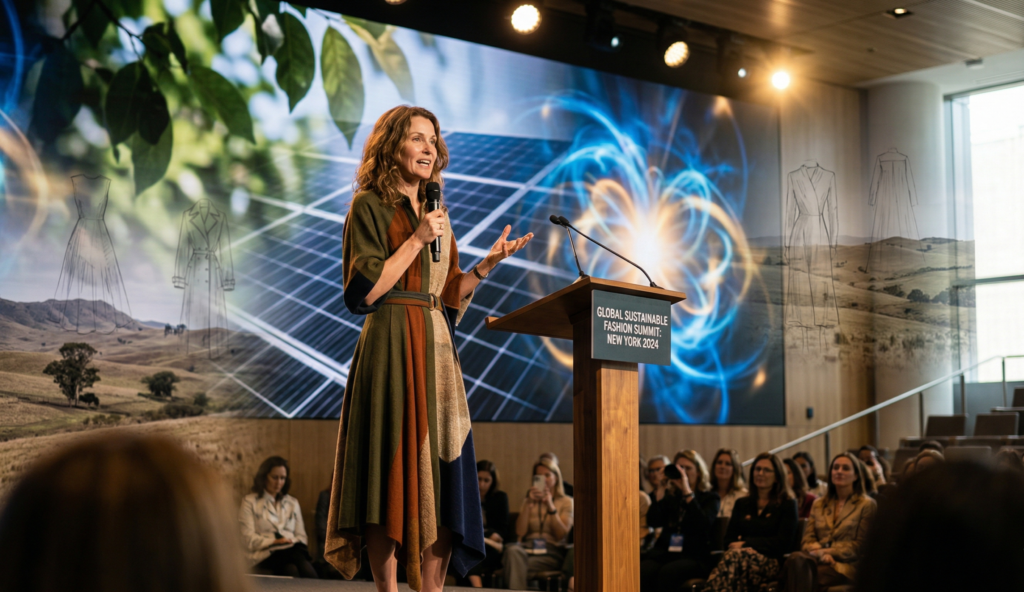
Sustainable fashion is no longer a niche concept. It is becoming a defining standard for the future of the industry. At a recent eco-focused event in New York City, Gabriela Hearst shared her vision for combining high-end fashion with environmental responsibility. During a panel discussion, she explained how luxury and sustainability can work together without compromise.

Summit Overview

At the Ecoscious Living Summit, Hearst brought together experts from multiple fields, including green design, plant-based nutrition, and water conservation. The goal was simple: encourage practical solutions for a more sustainable lifestyle.

In conversation with Lynette Nylander, Executive Digital Director at Harper’s Bazaar, Hearst spoke about the urgent need to rethink how fashion operates. According to her, true luxury is not defined by excess. Instead, it lies in creating timeless, well-crafted pieces designed to last for generations.

Personal Background

Hearst’s approach to sustainability is deeply personal. She grew up on a ranch in Uruguay, where respect for natural resources was a part of everyday life. This early exposure shaped her philosophy as a designer.

She later carried these values into her brand and her role as creative director at Chloé from 2020 to 2023. Her recent collections reflect a forward-thinking mindset, drawing inspiration from nuclear fusion. This concept represents a future powered by clean and limitless energy. To bring authenticity to her work, Hearst even visited fusion research facilities around the world.

A New Approach to Sustainable Fashion

Hearst strongly believes that sustainability should not be treated as separate from luxury. Instead of following fast-changing trends, she encourages a shift toward mindful consumption and long-lasting design.

For her Spring/Summer 2026 collection, her team used around 90 percent deadstock fabrics. By avoiding the creation of new materials, she demonstrated that large-scale brands can adopt more sustainable practices without sacrificing quality or creativity.

She also supports the use of existing resources such as vintage garments and surplus fabrics. This approach reduces waste and extends the lifecycle of materials that would otherwise go unused.

Practical Tips for Consumers

While industry leaders play a key role, Hearst emphasizes that consumers also have the power to drive change. One of her strongest recommendations is to buy secondhand or vintage clothing.

This simple shift can significantly reduce demand for new production. At the same time, it encourages a return to meaningful traditions, such as passing down clothing through generations.

Today, there are more options than ever when it comes to pre-owned fashion. By choosing these alternatives, individuals can contribute to a more sustainable future without compromising on style.

The Future of Fashion

Gabriela Hearst’s message is clear. Sustainability is not a limitation but an opportunity to redefine what luxury truly means. By focusing on quality, longevity, and responsible sourcing, the fashion industry can move toward a more balanced and conscious future.
Can AI Truly Make Fashion Sustainable?

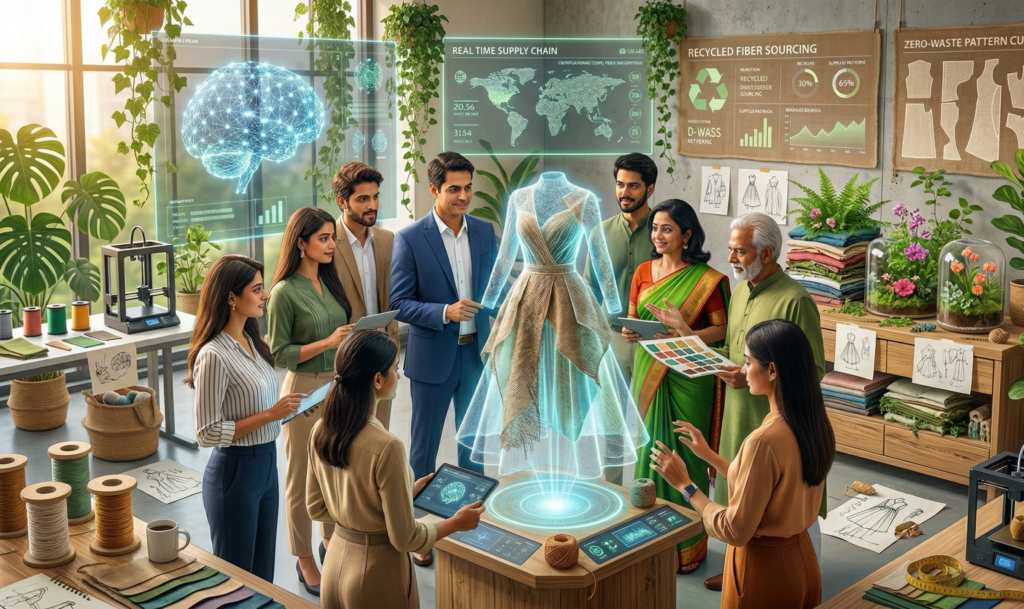
Futuristic fashion studio where diverse designers collaborate on a glowing holographic 3D garment prototype made from recycled and organic fabrics, showcasing AI fashion sustainability through neural network patterns on screens displaying sustainable supply chain data, while discarded fabrics transform into plants in the background, all in a photorealistic cinematic style.
generated by google gemini

The fashion industry faces a hard truth: it generates massive waste and pollution, with billions of garments discarded into landfills each year. As brands increasingly explore artificial intelligence, questions arise about whether this technology can truly reduce fashion’s environmental footprint or if it risks creating new challenges.

AI offers promising solutions, particularly in design. Traditional fashion design often involves endless sketches and sample garments that are ultimately discarded. Today, generative AI tools allow designers to create virtual prototypes in minutes, reducing material waste from the outset. By inputting fabric choices and sustainability targets, designers can generate 3D models ready for production. This approach not only cuts down on physical waste but also accelerates innovation, making it easier to work with eco-friendly materials such as recycled polyester in smaller production runs.

Supply chain efficiency is another area where AI can make a tangible impact. Algorithms can predict demand by analyzing historical sales, social trends, and even weather patterns. Retailers that once struggled with overproduction can now better match supply with actual demand. Some companies have reportedly reduced excess inventory by 20 percent using AI-driven forecasts, which helps keep garments out of landfills and lowers carbon emissions associated with shipping.

However, challenges remain. Training AI models consumes significant energy, often sourced from fossil-fuel-powered data centers. Critics warn that the carbon footprint of these systems can rival that of entire factories. Moreover, AI-driven personalization could encourage impulse purchases, nudging consumers toward overconsumption rather than thoughtful, sustainable shopping.

Innovators, however, are finding creative ways to maximize AI’s benefits. Startups are optimizing dyeing techniques, cutting water usage by up to 40 percent. Machine learning is also being applied to textile sorting for recycling, transforming old clothing into new materials. When paired with blockchain, AI can track a garment’s journey from farm to store, ensuring ethical sourcing and transparency.

The future of fashion depends on responsible AI adoption. Brands must invest in green data centers and embrace transparency throughout the supply chain. Regulatory guidelines could further support sustainable AI practices. AI has the potential to make fashion more sustainable—but only if industry leaders use it wisely and thoughtfully.

Will AI ultimately transform fast fashion into a greener industry, or is it just a new way to greenwash consumption? The answer lies in how the industry chooses to wield this powerful technology.