
Sustainability is no longer being treated as a side initiative inside modern organizations. Across industries, companies are beginning to recognize that environmental and social goals cannot be achieved by assigning responsibility to one small team while the rest of the business continues as usual.
Instead, a different approach is taking shape. Sustainability is moving closer to the center of business decision making and becoming part of how organizations plan, operate, and grow.
The Traditional Sustainability Model Is Changing
For many years, sustainability teams were expected to manage a wide range of responsibilities with limited resources.
These teams often handled reporting requirements, supplier coordination, compliance expectations, stakeholder communication, and long term transformation plans at the same time. While this created visibility around sustainability goals, it also created pressure and limited the ability to drive meaningful change across the business.
As expectations continue to increase, many organizations are realizing that this model is becoming difficult to sustain.
Sustainability Is Becoming a Shared Responsibility
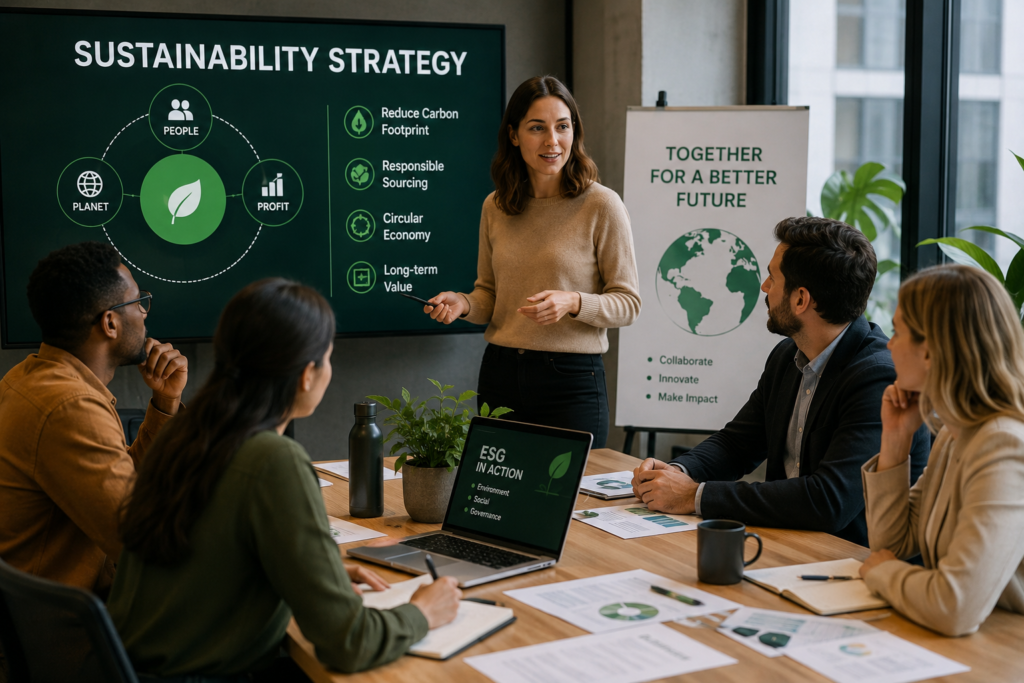
A growing number of businesses now see sustainability as something that should influence every major business function.
Instead of operating separately, sustainability goals are being integrated into product development, operations, procurement, finance, and leadership decisions.
This shift allows organizations to move beyond reporting outcomes and focus on creating measurable business impact.
When sustainability becomes part of everyday decision making, teams can respond faster, align priorities more effectively, and create stronger long term results.
Building Teams That Support Long Term Impact
As companies rethink their structures, they are experimenting with different ways to organize sustainability efforts.
Some organizations are introducing specialized positions focused on areas such as:
- Sustainability data and measurement
- Supply chain transparency
- Circular business practices
- Stakeholder engagement
- Responsible sourcing
Others are creating cross functional teams where employees contribute sustainability outcomes alongside their existing roles.
There is no single model that works for every business. What matters most is creating a structure that supports collaboration and clear accountability.
What Successful Sustainability Teams Have in Common
Although team structures vary, strong sustainability teams often share several characteristics.
They Connect Sustainability With Business Goals
Teams that succeed are able to translate environmental and social objectives into practical business outcomes.
They Encourage Cross Functional Collaboration
Progress becomes easier when departments work together instead of operating independently.
They Balance Expertise and Execution
Technical sustainability knowledge becomes more valuable when combined with operational and commercial understanding.
Structure Matters but Culture Matters More
Creating a sustainability team is only one part of the process.
Organizations also need to build a culture where sustainability becomes part of normal business behavior rather than an isolated project.
When employees understand how sustainability connects to their daily decisions, participation becomes stronger and progress becomes more sustainable over time.
Large organizations may distribute sustainability specialists across departments while maintaining a central strategy function. Smaller companies may rely on lean teams supported by partnerships and shared leadership.
Both approaches can work when sustainability becomes embedded into how decisions are made.
The Future of Business Is More Integrated
Companies are entering an environment where resilience, adaptability, and responsible growth matter more than ever.
The organizations likely to stand out in the years ahead may not simply be those hiring larger sustainability teams. They may be the ones redesigning how business decisions are made so sustainability becomes part of the operating model itself.
As expectations continue to evolve, businesses that integrate sustainability into core operations will be better positioned to innovate, respond to change, and create long term value.
Final Thoughts
Sustainability is no longer only about meeting expectations. It is becoming a business capability that influences growth, efficiency, and long term competitiveness.
The companies that embrace this shift today may be better prepared for tomorrow.
Leave a Reply