Author Archives: connect.vanshjain@gmail.com

Microsoft Achieves 100% Renewable Energy Match Ahead of 2025 Sustainability Target

Microsoft has reached an important milestone in its sustainability journey. The company has successfully matched its global electricity consumption with renewable energy sources, meeting its 2025 target ahead of schedule. This achievement strengthens Microsoft’s broader environmental commitment, first announced in 2020, to become carbon negative by 2030.

As demand for cloud services and data centers continues to grow, this accomplishment signals that large technology companies can expand responsibly while investing in clean energy.

The Vision Behind Microsoft’s Sustainability Commitment

In 2020, Microsoft unveiled one of the most ambitious climate plans in the corporate world. The company pledged to become carbon negative by 2030 and to remove more carbon from the atmosphere than it has emitted since its founding by 2050.

Beyond carbon reduction, Microsoft also committed to becoming water positive and achieving zero waste by 2030. These goals were designed to address environmental impact across operations, supply chains, and product lifecycles.

Reaching 100 percent renewable electricity coverage is a major step toward delivering on those promises.

How Microsoft Reached 100% Renewable Electricity

To achieve this milestone, Microsoft invested heavily in long term power purchase agreements for wind and solar energy projects across multiple regions. The company also explored emerging clean energy technologies, including advanced nuclear solutions.

Through partnerships with energy providers and suppliers, Microsoft secured enough renewable energy capacity to match all the electricity consumed by its global operations. This includes offices, campuses, and data centers that power services like Azure and Microsoft 365.

Collaboration played a central role in this progress. Company leaders have consistently emphasized innovation in energy technology and close coordination with partners to accelerate the transition to cleaner power systems.

Importantly, this achievement supports Microsoft’s target of cutting operational emissions by more than half compared to 2020 levels.

Addressing the Challenge of Growing Energy Demand

The rapid expansion of cloud computing and artificial intelligence has significantly increased electricity demand from data centers worldwide. Rather than slowing growth, Microsoft has focused on decoupling expansion from emissions.

By investing early in renewable energy projects, the company has helped expand clean energy supply in regions where demand is rising. This approach not only benefits Microsoft but also strengthens broader clean energy infrastructure.

What Comes Next for Microsoft’s Climate Strategy

While matching 100 percent of its electricity use with renewable energy is a significant achievement, Microsoft acknowledges that more work lies ahead.

The company plans to maintain this renewable energy match through 2030. At the same time, it is intensifying efforts to reduce Scope 3 emissions, which come from supply chains, manufacturing, and other indirect sources. These emissions often represent the largest portion of a company’s carbon footprint.

To address this challenge, Microsoft is investing in:

  • Energy efficiency improvements across operations
  • Sustainable materials and low carbon product design
  • Carbon removal technologies
  • Stronger environmental standards for suppliers

Balancing continued business growth with deep emissions reductions will require ongoing innovation and accountability.

Why This Milestone Matters

Microsoft’s renewable energy achievement demonstrates that climate goals can be integrated into long term business strategy. As one of the world’s largest technology companies, its actions influence suppliers, competitors, and policymakers.

By reaching 100 percent renewable electricity coverage, Microsoft has set a clear benchmark for corporate sustainability leadership. The focus now shifts toward achieving carbon negative status by 2030, a goal that will require sustained commitment and industry wide collaboration.

Bio-Inspired Cooling for Skyscrapers: How Nature Is Shaping Energy Efficient Buildings

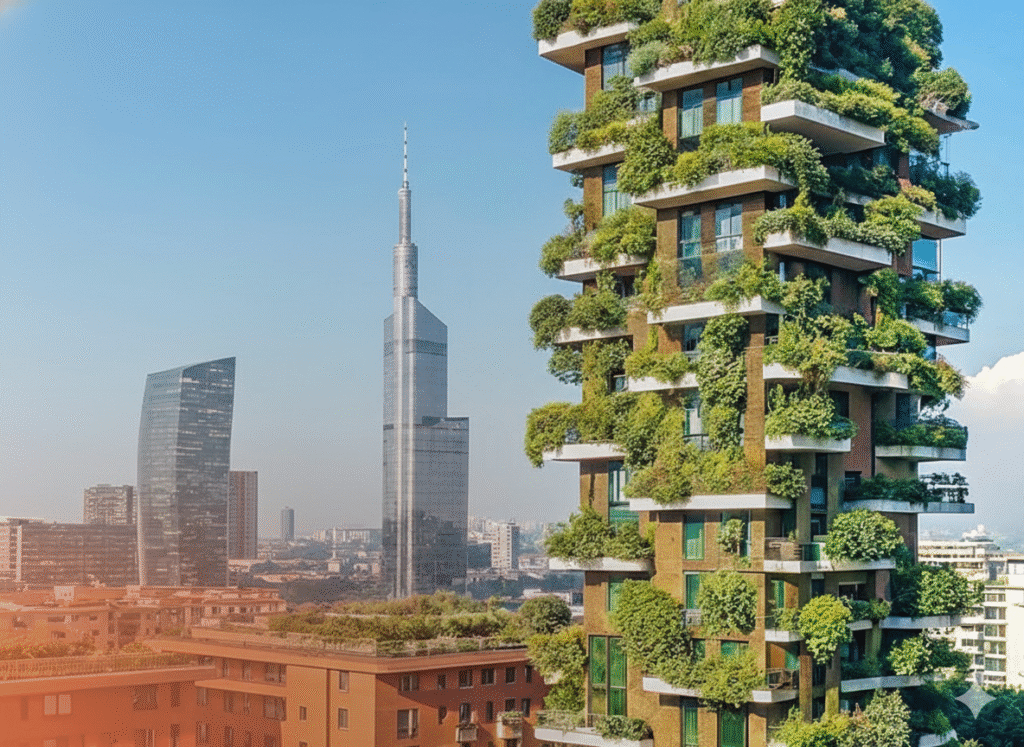
Two towering residential skyscrapers in Milan, known as Bosco Verticale, covered entirely in lush green trees and vegetation, with modern glass buildings in the background under a clear blue sky.
generated by google gemini

As cities expand and skylines rise higher, cooling large buildings has become one of the biggest energy challenges in urban areas. Traditional air conditioning systems consume enormous amounts of electricity, especially in hot climates. To reduce this dependency, engineers and architects are turning to an unlikely mentor: nature.

Bio-inspired cooling is an emerging approach that studies how natural systems regulate temperature and applies those lessons to modern buildings. From termite mounds to plant evaporation, nature offers efficient, low-energy solutions that are now being adapted for skyscrapers and high-rise developments.

What Is Bio-Inspired Cooling?

Bio-inspired cooling uses natural design principles to manage heat inside buildings. Instead of relying entirely on mechanical air conditioning, these systems focus on passive strategies such as natural airflow, shading, and water evaporation.

The goal is simple. Reduce energy consumption, lower emissions, and support long-term net-zero targets. By observing how termites maintain stable temperatures in their mounds or how plants cool themselves through moisture release, architects are creating smarter and more sustainable structures.

Key Bio-Inspired Cooling Techniques for High-Rise Buildings

Several nature-based strategies are proving effective in large commercial and residential towers.

1. Termite Mound Ventilation

Termite mounds maintain nearly constant internal temperatures despite extreme outdoor heat. They achieve this through a natural stack ventilation system, with low and high vents that allow hot air to rise and escape while drawing cooler air inside.

This principle has been successfully applied in modern architecture. The Eastgate Centre in Harare uses passive ventilation inspired by termite mounds. The building significantly reduces energy use and saves millions annually in cooling costs. Such systems work especially well in dry climates.

2. Evaporative Cooling Inspired by Plants

Plants cool themselves through transpiration, a process where moisture evaporates from their leaves and absorbs heat. Buildings can replicate this effect by using water-based cooling surfaces or green walls.

Evaporative cooling systems can reduce cooling energy demand by up to 50 to 70 percent in suitable climates. When combined with vertical gardens or green facades, they also improve air quality and enhance urban biodiversity.

3. Coral-Inspired Heat Dissipation and Tree Canopy Shading

Coral reefs are structured to release heat efficiently while maintaining strength. Architects are studying these structures to design building facades that improve heat dissipation.

Similarly, tree canopies provide shade while allowing filtered light to pass through. Shading systems inspired by tree structures help reduce solar heat gain, lower indoor temperatures, and decrease the urban heat island effect.

Benefits of Bio-Inspired Cooling in Urban Areas

Cooling systems account for a major share of electricity consumption in hot cities. By integrating nature-inspired designs, buildings can significantly cut energy demand.

Key advantages include:

  • Lower electricity bills for cooling
  • Reduced carbon emissions
  • Improved indoor comfort
  • Mitigation of urban heat islands
  • Enhanced biodiversity through green integration

Recent research suggests that energy-efficient building strategies could contribute to meaningful global reductions in building energy use by 2030. As more cities push toward climate resilience and sustainable growth, bio-inspired cooling offers a practical pathway forward.

Challenges in Adoption

Despite its benefits, bio-inspired cooling faces certain barriers. Initial design costs may be higher, and specialized expertise is often required during planning and construction.

However, early integration during the architectural design phase can significantly reduce additional costs. Government grants, sustainability incentives, and collaboration with organizations such as the Biomimicry Institute are helping accelerate adoption.

How to Implement Bio-Inspired Cooling in New Projects

For developers and planners considering this approach, the process typically involves:

  1. Conducting a detailed climate and site analysis
  2. Evaluating feasibility based on local weather patterns
  3. Collaborating with sustainability consultants and architects
  4. Integrating cooling strategies alongside solar energy systems
  5. Monitoring performance through sensors and smart building systems
  6. Exploring public-private funding partnerships

Early planning is critical. When bio-inspired systems are embedded into the core design rather than added later, projects remain cost-effective and technically efficient.

The Future of Sustainable Skyscrapers

As cities like Bhopal continue to grow and modernize, integrating climate-smart infrastructure becomes increasingly important. Bio-inspired cooling aligns perfectly with sustainable urban development goals and green innovation initiatives.

By learning from nature’s time-tested solutions, the next generation of skyscrapers can be both high-performing and environmentally responsible. This approach is not just about reducing energy bills. It represents a shift toward smarter, more resilient cities built in harmony with natural systems.

Sustainable Architecture: Building the Future with Smart and Green Design

A modern multi-story building facade with reflective glass panels and clean geometric lines stands prominently against a clear blue sky.
Royalty free image via pexels.

Sustainable architecture is no longer a niche concept. It has become a practical and necessary approach to modern construction. As climate concerns grow and cities expand rapidly, architects and developers are rethinking how buildings are designed, constructed, and operated.

Today’s sustainable architecture focuses on reducing environmental impact, improving energy efficiency, and creating healthier spaces for people. With new materials, renewable energy systems, and intelligent technologies, the construction industry is moving toward a more responsible future.

Why Sustainable Architecture Matters

Buildings account for a significant share of global energy consumption and carbon emissions. Traditional construction methods rely heavily on resource-intensive materials and fossil fuels. As a result, the environmental footprint of buildings has become a major concern.

Sustainable architecture addresses these challenges by prioritizing efficiency, durability, and environmental balance. It also enhances occupant comfort by improving indoor air quality, natural lighting, and thermal performance.

Eco-Friendly Building Materials

The foundation of sustainable architecture begins with the right materials.

Recycled steel is widely used because it reduces the demand for newly mined resources. Bamboo is another popular option due to its rapid growth and strength. Insulated concrete forms improve thermal performance while lowering long-term energy consumption.

One of the most promising innovations is cross-laminated timber. This engineered wood product offers impressive structural strength while generating fewer emissions compared to traditional concrete. As a result, it is gaining popularity in large-scale residential and commercial projects.

By choosing environmentally responsible materials, builders can significantly reduce the carbon footprint of a project from the start.

Renewable Energy Integration

Energy efficiency is at the heart of green building design. Modern sustainable buildings often generate their own clean energy.

Solar panels are now a common feature in residential and commercial developments. In addition, photovoltaic glass allows windows to produce electricity while still letting in natural light. These technologies reduce reliance on fossil fuels and lower long-term energy costs.

Geothermal systems are another effective solution. By tapping into the earth’s stable underground temperature, these systems provide efficient heating and cooling throughout the year. This approach reduces energy consumption while maintaining indoor comfort.

Together, these renewable energy systems help buildings operate more independently and sustainably.

Smart Technologies for Efficient Performance

Technology plays a critical role in sustainable architecture.

Internet of Things sensors monitor lighting, temperature, and occupancy in real time. This data allows automated systems to adjust heating, cooling, and lighting only when needed. As a result, energy waste is minimized.

Dynamic facades and electrochromic glass further enhance efficiency. These systems adapt to changing sunlight conditions, reducing heat gain and improving insulation. In turn, buildings require less artificial cooling and lighting.

Smart technologies not only improve performance but also create a more comfortable environment for occupants.

Biophilic Design and Urban Well-Being

Sustainable architecture also focuses on reconnecting people with nature.

Green roofs and living walls are increasingly common in urban developments. They provide natural insulation, improve air quality, and support biodiversity. At the same time, they help reduce the urban heat island effect.

Biophilic design elements such as natural light, indoor plants, and organic materials create calming spaces that promote well-being. Research shows that nature-inspired environments can improve productivity and reduce stress.

By integrating natural elements, sustainable buildings become healthier places to live and work.

Reuse and Adaptive Renovation

Sustainability does not always mean building something new. In many cases, repurposing existing structures is the most responsible option.

Adaptive renovation upgrades older buildings with modern energy-efficient systems. This approach preserves cultural heritage while avoiding demolition waste. It also reduces the need for new raw materials.

Reusing existing infrastructure is often more environmentally friendly than starting from scratch. It demonstrates how sustainable architecture can balance innovation with preservation.

The Future of Sustainable Architecture

The future of sustainable architecture looks promising. As technology advances and costs continue to decline, green construction methods are becoming more accessible.

Governments and developers are increasingly adopting environmentally responsible building standards. In the coming years, sustainable design principles are expected to become standard practice rather than optional features.

Ultimately, sustainable architecture offers scalable solutions to global challenges such as climate change and resource depletion. By combining smart technology, renewable energy, and eco-friendly materials, the construction industry is building a future that supports both people and the planet.

AI Adoption in 2025: Transforming Agriculture and Sustainability Worldwide

Aerial drone surveying vast green agricultural fields in a rural landscape under a clear blue sky.
Royalty free image, Pexels

Artificial Intelligence is no longer a futuristic concept. As we move deeper into 2025, AI adoption is accelerating across industries worldwide. Businesses are integrating intelligent systems into their daily operations to improve efficiency, reduce costs, and support long-term sustainability goals.

One of the most promising developments is the growing connection between AI technology and net zero emission targets. From precision farming to renewable energy optimization, AI is becoming a powerful tool for environmental progress.

In particular, the agriculture and environmental sectors are seeing major transformation through smart automation and data-driven decision-making.


Why AI Adoption Is Growing Rapidly in 2025

The surge in AI adoption is largely driven by advancements in generative AI and machine learning tools. These technologies help organizations scale operations quickly while maintaining accuracy.

In agriculture, AI tools are now used for:

  • Crop yield prediction
  • Soil health monitoring
  • Carbon tracking
  • Climate modeling
  • Farm resource optimization

Farmers and agribusinesses can generate detailed analytics reports within minutes. What once required extensive manual effort can now be done with intelligent automation.

Countries such as Singapore and the United Arab Emirates are leading in AI implementation. Their strong digital infrastructure, supportive government policies, and investment in localized AI models have accelerated adoption.

This global momentum signals that AI is not just a trend but a structural shift in how industries operate.


Key Challenges Slowing Widespread AI Implementation

Despite rapid growth, AI adoption still faces practical challenges.

1. Data Quality Issues

AI systems depend heavily on accurate and structured data. In agriculture, poor sensor inputs or incomplete weather data can produce unreliable predictions. When the data foundation is weak, the results cannot be trusted.

2. Integration with Legacy Systems

Many farms still rely on traditional machinery and older software systems. Integrating modern AI tools with legacy infrastructure often slows implementation. This creates technical and financial barriers for small and medium-scale farmers.

3. Ethical and Governance Concerns

Bias in algorithms, intellectual property disputes, and data privacy risks require clear regulatory frameworks. Without transparent governance, AI deployment can create more problems than it solves.

Developing regions also face a digital divide. While adoption is increasing in parts of Africa and other emerging markets, limited internet access and technical training restrict full participation in the AI ecosystem.


How AI Supports Net Zero and Sustainability Goals

The relationship between AI and sustainability is becoming stronger each year. Intelligent systems help organizations measure, manage, and reduce environmental impact more efficiently.

AI supports net zero strategies by:

  • Optimizing solar-powered irrigation systems
  • Managing wind-integrated supply chains
  • Reducing fertilizer waste through precision farming
  • Tracking carbon emissions in real time

In countries like India, the AI ecosystem is expanding rapidly. Local startups and technology providers are building practical AI tools designed specifically for agricultural needs. Partnerships between government bodies, agritech firms, and sustainability organizations are accelerating innovation.

However, responsible adoption remains essential. AI governance frameworks must ensure equitable access, fair data usage, and compliance with emerging global regulations.


Strategic Steps for AI Adoption in 2026

Organizations planning to adopt AI in agriculture and sustainability should follow a structured approach.

Start with Pilot Projects

Begin with high-impact areas such as precision farming or drought forecasting. Small pilot programs allow businesses to test effectiveness before scaling.

Customize AI Models

Off-the-shelf AI tools are useful, but combining them with custom adjustments ensures better performance for specific regional needs.

Invest in Ethical AI Training

Training teams on responsible AI use builds trust and reduces regulatory risks. Ethical awareness is particularly important when handling environmental data and sustainability reporting.


The Road Ahead

AI adoption in 2025 marks a significant turning point for agriculture and environmental management. While challenges remain, the opportunities outweigh the risks when implementation is thoughtful and well-governed.

As industries continue to align technology with sustainability goals, AI will play a central role in building efficient, resilient, and climate-conscious systems worldwide.

The future of smart agriculture is not just digital. It is intelligent, data-driven, and sustainability-focused.

Sustainable Innovation as a Driver of Business Growth

A glowing light bulb rests on a wooden table, symbolizing innovative ideas and sustainable energy solutions.
Royalty free image via pexels.

Sustainable innovation has become a powerful force for business growth while safeguarding the environment and supporting communities. Instead of relying on copied ideas or existing frameworks, companies can develop original strategies that deliver long-term value. By embedding sustainability into innovation, businesses strengthen resilience, improve trust, and unlock new growth opportunities.

Modern organizations are discovering that responsible innovation is not a limitation. It is a competitive advantage that aligns profitability with environmental and social responsibility.

Core Principles of Sustainable Innovation

At its foundation, sustainable innovation brings together three essential pillars: environmental responsibility, social impact, and economic performance. Successful businesses aim to reduce waste, lower emissions, and shift toward renewable resources while maintaining ethical and fair practices across operations.

This balanced approach ensures that growth does not come at the expense of natural resources or communities. Instead, it creates lasting value by aligning business success with long-term planetary health.

Key Strategies for Sustainable Business Innovation

Effective sustainable innovation begins with clearly defined goals. These goals should be connected to measurable outcomes such as reduced carbon emissions, improved energy efficiency, or lower material consumption.

Sustainability targets must be integrated into core business functions from the earliest stages. This includes product design, sourcing decisions, manufacturing processes, and supply chain management.

Building diverse teams is equally important. When technology experts, strategic planners, and ethics-focused professionals collaborate, businesses are more likely to develop innovative and responsible solutions.

To ensure real impact, companies can rely on tools such as lifecycle assessments. These tools help measure environmental and social effects across a product’s entire lifespan, from raw materials to end use.

Practical Steps Businesses Can Take

Organizations can begin by redesigning products using environmentally friendly materials and reducing unnecessary packaging. These changes significantly lower environmental impact while meeting consumer demand for sustainable products.

Strong supplier partnerships are another critical step. Transparent and ethical sourcing, combined with circular systems that reuse materials, helps create more resilient and responsible supply chains.

A culture of innovation also plays a major role. Encouraging employee participation through idea-sharing platforms, innovation labs, and continuous learning initiatives helps sustainability become part of everyday decision-making.

Success should be tracked using clear performance indicators. Metrics such as carbon footprint reduction, resource efficiency, and market adoption rates provide valuable insights into progress and impact.

Real-World Approaches to Sustainable Innovation

Many businesses are finding success by adopting circular economy models that prioritize recycling, reuse, and renewable inputs. Others use digital tools to increase supply chain transparency or develop products using plant-based and low-impact materials.

These real-world approaches demonstrate how sustainability challenges can be transformed into opportunities for innovation, differentiation, and growth.

How to Get Started with Sustainable Innovation

Business leaders should begin by setting realistic and measurable sustainability targets. Investing in green technologies and fostering cross-functional collaboration creates a strong foundation for innovation.

Staying adaptable is equally important. Emerging trends such as eco-design, digital optimization, and data-driven sustainability offer new ways to improve efficiency and reduce impact. By remaining flexible and forward-looking, companies can thrive in an increasingly resource-conscious global economy.

Pioneering Sustainability Through Innovation and Global Collaboration

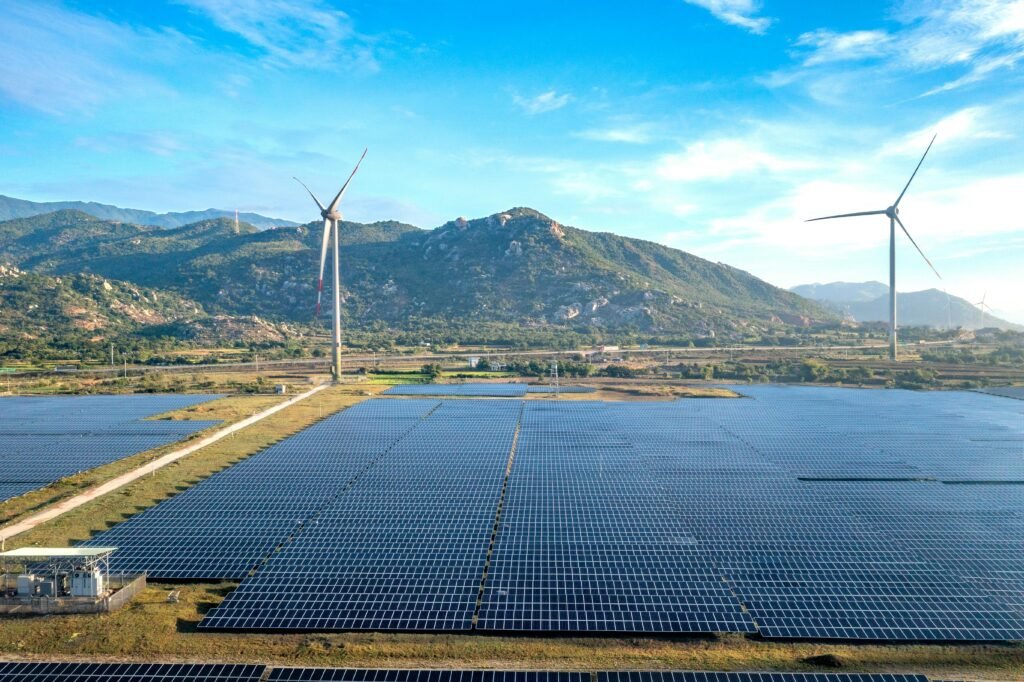
A hyper-realistic aerial view captures wind turbines and solar panels spanning arid hills in Vietnam's Ninh Thuan province, a leading renewable energy hub.
​
Royalty free image via pexels.

Sustainability has moved beyond long term promises and policy statements. Companies, institutions, and communities across the world now drive measurable climate action through innovation and collaboration. Recent updates from Green Sustainability Magazine show how organizations actively reduce emissions, strengthen circular economies, and accelerate renewable energy adoption.

These initiatives highlight a clear trend. Environmental responsibility and business growth can advance together when leaders invest in practical solutions.


Industry Leaders Accelerating Sustainable Change

The December 2025 edition highlights organizations that actively reshape sustainability across key industries.

Kemvera leads the transition toward carbon negative chemical production by using bio based feedstocks and carbon dioxide derived processes. This model cuts emissions while delivering scalable alternatives to traditional chemicals.

In agriculture, TIMAC AGRO Deutschland GmbH supports resilient farming through bio innovative tools that improve soil health and help farmers adapt to climate stress.

FluoroFusion addresses emissions from cooling systems by advancing refrigerant recycling and materials innovation, which reduces high impact greenhouse gases.

The edition also highlights global sustainable chemistry leadership from the American Chemical Society, low carbon energy development by Sizewell C, and low carbon engineering solutions from ANDRITZ. Forward looking architecture from RODE Architects further reinforces the role of design in climate resilience.


Sustainable Innovation From Earlier Editions

The October 2025 edition focused on progress in materials, manufacturing, and circular systems.

Brenntag continues to improve greener chemical distribution through optimized logistics and responsible sourcing. At the same time, BEWI Group expands polystyrene recycling infrastructure across Europe.

Manufacturers such as Midas Pattern Company now deliver carbon neutral polyurethane tooling without sacrificing performance.

Additional contributions from Zest Associates, Thinking Adrenaline, Capsum, and MAJOR FLEX-MAT show how sustainability strategies can strengthen brand value.

Circular economy leadership also comes from North American Mattress Upcycling, Whitefox Technologies, and Wind Harvest, all of which link environmental impact with commercial success.


Global Events and Strategic Partnerships

International collaboration continues to play a central role in climate progress.

The European Congress on Climate Change and Environmental Sustainability, held on November 6–7, 2025 in Vienna, brings together experts to address carbon strategies, sustainable agriculture, resilient infrastructure, environmental justice, and climate focused technologies.

Green Sustainability Magazine works with Better Planet Education to provide climate and biodiversity learning resources for young audiences.

Community focused action also remains a priority. Support for Project Apis CIC in Norfolk strengthens pollinator protection while improving mental wellbeing and social inclusion through accessible beekeeping programs.

The magazine also supports the 3rd World Congress on Recycling and Waste Management in Singapore from April 13–15, 2026, along with initiatives from The Rivers Trust, which leads river restoration through nature based solutions.


Sustainability Progress Across Key Industries

Major industries continue to integrate sustainability into core operations.

The Mærsk Mc-Kinney Møller Center advances zero carbon shipping by developing green corridors, multi fuel modeling, and cross sector partnerships.

Hunt’s Food Group achieved B Corp certification by investing in solar energy, optimizing delivery routes, and redistributing surplus food to reduce waste.

Vermeer UK & Ireland expands its sustainable infrastructure portfolio through electric drilling equipment and low emission fleet transitions.

Technology driven energy solutions from RJ Power integrate artificial intelligence monitoring and advanced battery systems.

In hospitality, The Wellbeing Farm delivers certified B Corp events using off grid power and reusable decor. Meanwhile, Blooming Color transforms printing through on demand digital production and closed loop recycling.


Energy and Agriculture Innovations Shaping the Future

Transport, renewable energy, and industrial heating continue to evolve rapidly.

Volvo Trucks targets net zero emissions by 2040 through electric urban trucks, hydrogen powered long haul vehicles, green steel adoption, biogas, and circular battery reuse.

Eurowind Energy expands wind, solar, and green hydrogen projects across Southern Europe while strengthening local partnerships and digital optimization.

In industrial heating, ACME Engineering Products leads electrode boiler deployment to support clean energy transitions, particularly in China and the Middle East.


A Clear Path Forward for Global Sustainability

These developments point to a shared global direction. Organizations now treat sustainability as a driver of innovation, resilience, and long term value. As these solutions scale, they strengthen both environmental protection and economic stability.

Pioneering Projects That Are Shaping a More Sustainable Planet

Business executives in suits stand at a rainforest edge, pointing toward a monkey on a branch and birds flying away as smoke rises from factories amid overgrown trucks and polluted water, captured in dramatic golden-hour light.
Royalty free image via pexels.

Across the world, innovative projects are turning environmental challenges into meaningful opportunities for long-term progress. These real-world initiatives demonstrate how sustainability can move beyond theory and into practical action. By addressing climate risks, protecting ecosystems, and strengthening communities, such projects are helping build a future that balances development with environmental responsibility.

From cities to coastlines, sustainability-driven solutions are proving that economic growth and environmental protection can move forward together.

Innovative Projects Driving Environmental Progress

Several groundbreaking initiatives are already delivering measurable environmental and social benefits. Urban farming systems are improving food security in densely populated cities while reducing transportation emissions and land pressure. These projects also create local jobs and encourage community participation in sustainable food production.

Marine conservation efforts are equally impactful. Coral reef restoration programs are helping revive damaged marine ecosystems, protecting biodiversity while supporting fisheries and tourism-based livelihoods. On land, wildlife crossings built over highways are reducing animal fatalities, preserving migration routes, and maintaining healthy ecosystems without disrupting transportation networks.

Together, these innovations show how thoughtful project design can solve complex environmental problems while delivering economic and social value.

Supporting Global Sustainability Goals

Many of these initiatives are closely aligned with the United Nations Sustainable Development Goals. They directly contribute to climate action, ecosystem protection, and responsible resource use. Strong project management plays a critical role in turning these goals into measurable outcomes.

By using data-driven monitoring systems, project leaders can track progress, assess environmental impact, and refine strategies over time. Successful models are then scaled across regions, allowing sustainability solutions to expand globally without losing effectiveness.

Practical Guidance for Project Leaders

For sustainability projects to succeed, environmental and social considerations must be integrated from the very beginning. Project leaders are increasingly embedding environmental, social, and governance principles into planning and decision-making processes.

Setting clear, internationally recognized targets helps measure long-term benefits and ensures accountability. Investing in climate-resilient infrastructure also reduces future risks, lowers maintenance costs, and strengthens project durability in the face of changing environmental conditions.

When sustainability is built into the foundation of a project, both financial and environmental performance improve over time.

Resources to Begin Your Sustainability Journey

Organizations looking to adopt sustainable practices can start by exploring ESG goal-setting templates that support structured planning. Climate-resilient project guides offer practical insights into managing risks linked to extreme weather and environmental change.

Learning from experienced project teams can also help balance innovation with environmental responsibility. These resources provide valuable direction for achieving strong results while protecting planetary health.

Greenhushing and Its Growing Impact on Corporate Sustainability

Professional woman focused at modern office desk with laptop and papers, symbolizing quiet corporate work amid sustainability silence.
Royalty free image via pexels.

In recent years, sustainability communication has become a delicate area for businesses. While some companies exaggerate their environmental claims, others take the opposite approach. This quieter strategy is known as greenhushing. Although it may seem like a safe choice, greenhushing can create long-term challenges for both companies and global climate efforts.

Greenhushing refers to the practice of intentionally downplaying or withholding information about genuine sustainability actions. Companies often adopt this approach to avoid criticism, regulatory scrutiny, or legal exposure. However, staying silent about real progress can weaken trust and slow down the broader transition toward environmental responsibility.

What Is Greenhushing?

Greenhushing occurs when organizations choose not to publicly communicate their environmental initiatives, even when those efforts are legitimate. Unlike greenwashing, which involves misleading or false sustainability claims, greenhushing is rooted in silence rather than exaggeration.

Many companies avoid sharing updates about emissions reductions, renewable energy investments, or climate targets. Surveys indicate that more than half of senior executives have reduced public discussion around climate action due to increasing regulatory pressure and fear of reputational damage.

Why Companies Choose Silence

One of the main drivers behind greenhushing is the fear of being accused of greenwashing. As sustainability regulations become stricter, especially in regions like Europe and the United States, companies worry that even accurate claims could invite legal challenges.

In highly competitive markets, businesses also believe that limiting public disclosures helps protect shareholder value. Legal risks, class action lawsuits, and activist scrutiny encourage a cautious communication strategy. Some organizations prefer to refine their sustainability plans internally before making them public, hoping to avoid early criticism or misinterpretation.

The Hidden Costs of Greenhushing

While silence may reduce short-term risk, it often creates long-term disadvantages. Companies that fail to communicate real sustainability progress miss opportunities to attract skilled talent and environmentally conscious investors. Many financial institutions now offer better terms to businesses with transparent climate strategies and verified carbon reduction goals.

Greenhushing can also weaken stakeholder confidence. When progress remains undisclosed, customers, investors, and partners may question a company’s commitment to sustainability. This lack of transparency slows collective progress across industries, particularly when collaboration and shared learning are essential for achieving net-zero targets.

Recent data shows that average emissions reduction targets have improved significantly in recent years. However, when companies keep their achievements private, these gains fail to inspire wider action.

Why Transparency Matters

Open communication plays a key role in building trust and accelerating climate progress. Transparent sustainability reporting improves reputation, strengthens access to green finance, and encourages innovation across sectors.

When companies share credible data and measurable outcomes, they help normalize climate action and motivate peers to raise their standards. Transparency also reassures stakeholders that sustainability efforts are authentic and ongoing.

How Companies Can Move Beyond Greenhushing

Organizations can reduce the risks associated with sustainability communication by framing their efforts as a continuous journey rather than a finished achievement. This approach sets realistic expectations and invites constructive feedback.

Using clear reporting frameworks and independent verification adds credibility and reduces the risk of misinterpretation. Science-based targets and standardized disclosures allow companies to communicate progress responsibly without overstating results.

By balancing caution with openness, businesses can avoid greenhushing while contributing meaningfully to global sustainability goals.

A Unique Solar-Powered Platform

Vibrant green solar panel held by hands against clear sky, representing accessible low-tech renewable energy solutions.
Royalty free image via pexels.

What sets this platform apart is that it runs entirely on solar power. This proves that websites can remain operational even during low sunlight periods. By adopting a self-hosted solar model, the site dramatically reduces energy demand while sharing practical insights on low-tech renewable solutions.

Key Solar Innovations

The magazine covers inventive projects like compact solar heaters that store warmth for hours using simple solar panels. It also dives into historical photovoltaic experiments, showing how early solar technology laid the groundwork for modern solar cells.

Principles of Low-Tech Solar

The focus is on stand-alone solar systems for everyday devices, reducing reliance on traditional electricity grids. Guides emphasize durable, repairable, and easy-to-maintain systems rather than high-efficiency setups that create more waste over time.

Benefits of Low-Tech Solar

Solar setups can significantly lower emissions and energy bills while requiring minimal maintenance. They also increase property value and promote energy independence. While initial costs and variable sunlight may pose challenges, the long-term benefits make these systems a worthwhile investment.

Practical Considerations

Intermittent sunlight demands smart energy storage solutions, and available space may limit panel installations. Although solar panel production has an environmental footprint, the lifetime energy gains typically outweigh these initial impacts.

DIY Solar Projects

For beginners, start small. Build a solar heating cube by insulating a box, adding thermal mass such as stones, and connecting it to a basic photovoltaic array. In sunny climates like Bhopal, this setup provides reliable warmth without relying on fossil fuels.

Embracing low-tech solar innovations not only supports a sustainable lifestyle but also demonstrates that practical renewable energy solutions are accessible to everyone.

Sustainable Living: Practical Steps to Build a Greener Future

Neatly folded eco-friendly textiles organized on rustic wooden shelf for sustainable home storage.
Royalty free image via pexels.

Sustainable living has become a necessity rather than a choice in today’s world. With increasing pressure on natural resources and growing environmental challenges, adopting eco-conscious habits helps protect the planet while ensuring a better future for coming generations. The good news is that sustainability does not require extreme lifestyle changes. Small, intentional actions can create a meaningful and lasting impact.

Why Sustainable Living Matters

Living sustainably helps reduce environmental damage while offering personal benefits such as better health and long-term cost savings. It encourages a balance between individual needs and the well-being of the planet. By making thoughtful choices in everyday life, people can lower energy consumption, minimize waste, and consume resources more responsibly.

Simple Energy-Saving Habits

Reducing energy use is one of the most effective ways to live sustainably. Switching to renewable energy options like solar power can significantly lower carbon emissions where feasible. At home, unplugging unused electronics and replacing traditional bulbs with LED lighting helps reduce electricity consumption. Proper insulation and smart temperature controls also improve energy efficiency while keeping indoor spaces comfortable.

Smart Ways to Reduce Waste

Waste reduction plays a vital role in sustainability. Composting food scraps not only reduces landfill waste but also improves soil health. Replacing disposable products with reusable alternatives such as cloth bags, metal bottles, and glass containers cuts down plastic pollution. Buying items in bulk and choosing stores that support low-waste practices further reduces unnecessary packaging.

Making Sustainable Food Choices

Food habits have a direct impact on the environment. Choosing locally grown and seasonal produce reduces emissions linked to long-distance transportation and supports regional farmers. Adding more plant-based meals throughout the week can lower environmental strain while improving overall nutrition. Planning meals carefully and using leftovers creatively helps prevent food waste.

Eco-Friendly Transportation Options

Transportation is another major contributor to emissions. Walking, cycling, or using public transport for short trips helps reduce fuel use and pollution. For longer distances, carpooling or transitioning to electric vehicles can significantly lower environmental impact. Organizing errands efficiently also reduces unnecessary travel.

Responsible Shopping Habits

Mindful shopping supports sustainability by extending the life of products. Purchasing second-hand clothing and household items reduces demand for new production. Repairing items instead of replacing them saves money and resources. When buying new products, choosing natural materials and minimal packaging helps limit environmental harm.

Sustainable Upgrades for Your Home

Small home improvements can lead to meaningful environmental benefits. Installing water-efficient fixtures such as low-flow taps and showerheads conserves water without reducing comfort. Growing herbs or vegetables in small spaces like balconies provides fresh produce and promotes self-sufficiency. Using natural cleaning products reduces exposure to harmful chemicals while keeping homes safe and healthy.

Moving Toward a Greener Lifestyle

Sustainable living is a journey that begins with manageable steps. Starting with one or two changes makes the transition easier and builds long-term habits. These everyday actions align with broader advancements in green technology, agriculture, and eco-friendly construction, contributing to a more resilient and sustainable future.